A few years ago, the primary goal of DAM systems was to provide the right content to the right people. Today, expectations have moved far beyond that. Users want to find the assets they need within seconds, automate approval processes, and connect content management with AI-powered tools.
AI is not just another feature added to a DAM system. It is changing the way companies work with digital assets altogether. What was once primarily a content repository is gradually becoming an intelligent layer that helps organizations find, distribute, and make better use of content across teams and departments.
DAM Is No Longer Just a Content Repository
For many years, DAM served mainly as a place to store approved brand materials. Its purpose was to maintain order, ensure content availability, and control who had access to specific assets.
As AI continues to evolve, user expectations are changing. Simply storing content in the right location is no longer enough. Assets need to be easy to find, ready to use, and connected to broader business processes.
Modern DAM systems are therefore moving beyond passive file management and becoming active content management platforms. They help teams navigate large asset libraries, reduce the time spent searching for files, and minimize the creation of duplicate content.
Search Will Feel More Like a Conversation
One of the areas where AI is having the most visible impact is search.
In the past, users relied on filters, categories, or exact file names. Today, natural language search is becoming increasingly common. Users can simply describe what they are looking for, and the system interprets the intent behind the query.
Instead of browsing through folders, someone might search for campaign images, social media visuals, or product photos in a specific setting.
For organizations managing thousands of assets across multiple departments and markets, this represents a significant shift. The value of a DAM system is no longer defined solely by how much content it stores, but by how quickly it can deliver the right content to the right person.

AI Needs a Reliable Source of Content
Generative AI is often associated with creating new content. However, the quality of its output largely depends on the source material it has access to.
A good example is Coca-Cola’s Create Real Magic initiative. The company gave digital artists access to selected brand assets and iconic elements of its visual identity, allowing them to create new content using generative AI. Rather than generating content from scratch, the project was built on trusted and approved brand materials.
This illustrates why DAM is becoming increasingly important in the age of AI. Companies that want to use generative tools consistently and in line with their brand identity need a centralized source of approved assets.
In this context, DAM helps ensure:
- a single source of approved content,
- control over the latest asset versions,
- brand consistency across markets,
- management of access rights and licenses,
- easier integration of content into AI-powered tools.
While AI can generate content, it still requires high-quality inputs and clearly defined rules. As organizations rely more heavily on generative AI, maintaining visibility over approved, up-to-date assets becomes increasingly important.
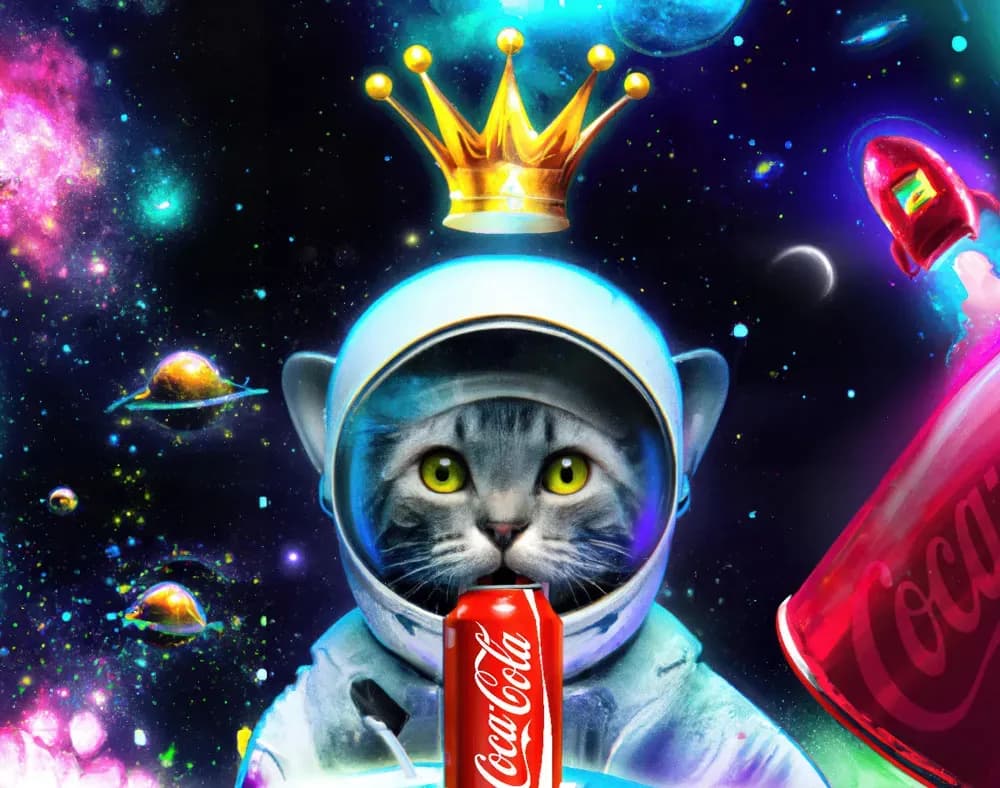
Source: The Coca-Cola Company
Workflow Automation Will Become the Standard
Alongside search, workflow automation is one of the fastest-growing areas within DAM.
Many marketing processes still involve repetitive administrative tasks. Content approvals, asset distribution, permission management, and compliance checks against brand guidelines often require manual intervention from multiple stakeholders.
AI makes it possible to connect and automate these processes more effectively. Once created, content can be automatically routed for approval, distributed to connected systems, and made available only to relevant users.
The result is more than just time savings. Automation also reduces the likelihood of human error and helps maintain consistency across the organization.
Content Utilization Will Matter More Than Content Creation
Conversations about AI often focus on generating new content. Equally important, however, is the ability to make better use of content that already exists.
Many organizations maintain extensive asset libraries, yet a significant portion of those assets remains underutilized. Teams frequently create new materials simply because they are unaware that similar content already exists.
This is why increasing attention is being given to DAM capabilities such as content recommendations, asset relationships, and content reuse. In many cases, improving the use of existing assets delivers greater value than creating new ones.
Key Takeaways for Organizations
The future of DAM does not depend on a single feature. What matters more is the evolving role of the system itself. DAM is becoming an active component of marketing and creative operations rather than simply a place to store files.
Organizations looking to maximize the benefits of AI should focus on:
- identifying processes that still require repetitive manual work,
- improving the speed and effectiveness of content discovery,
- establishing governance for AI-generated assets,
- connecting DAM with marketing and creative workflows,
- measuring how existing content is being used.
BrandCloud enables centralized digital asset management and helps organizations maintain control over their content, even as AI accelerates content production.
The most significant change AI brings to DAM is not the automation of individual tasks. It is the transformation of how organizations manage content as a whole. The most successful brands will increasingly rely on the combination of well-managed assets, automated processes, and AI-powered tools. This intersection is where the true potential of modern DAM lies.