Fonts are among the most widely used elements of visual identity, yet companies often do not give their management the same attention as they give to other digital assets. As long as fonts are easily accessible and work without any issues, they remain almost invisible. Problems usually arise only when it becomes necessary to find the correct version, verify licensing terms, or share a font with an external partner.
Font management involves much more than simply storing font files. It requires a clear overview of versions, font styles, licences, and usage guidelines. This information determines whether brand communication remains consistent in the long term and whether the organisation uses its fonts in compliance with licensing terms.
Why fonts are a specific type of digital asset
Unlike photographs or logos, fonts are not standalone outputs. They become part of almost every document, presentation, website, or marketing material. This is precisely why they have such a significant impact on a brand’s appearance, even though most people are barely aware of their presence.
A single font is also commonly used by multiple teams. Marketing teams create presentations and campaigns, designers prepare visual materials, developers implement web fonts, and external agencies work with an existing visual identity. If any of them uses a different version of a font or does not have access to the correct files, unintended inconsistencies may appear in the resulting materials.
Fonts are also licensed software. Their use is governed by the terms of a specific licence, which may limit the number of users, the method of distribution, or use on websites. Font management therefore also includes keeping records of these permissions.
The most common challenges in corporate font management
Organisations often assume that installing fonts on company devices is enough to manage them effectively. In reality, most problems arise during everyday collaboration.
The most common challenges include:
- multiple versions of the same font stored in different locations,
- missing font styles when files are shared,
- the use of outdated versions,
- a lack of clarity regarding licences,
- sharing fonts without verifying the relevant permissions.
These situations have practical consequences. A document opened on another device may have different line and page breaks, a presentation may not match the approved design, and print materials may use a different typeface than originally intended.
Locating licensing information can be equally problematic. After several years, it is often unclear when a licence was purchased, what types of use it permits, or whether it also covers external suppliers. This increases both the administrative burden and the risk of breaching licensing terms.
Consistent typography supports both brand identity and accessibility
Typography helps create a consistent visual identity. When fonts are used consistently across all communication channels, materials appear more professional and align more closely with the other elements of the brand’s visual identity.
However, effective font management has a broader significance. It also affects the readability and accessibility of digital content. Using an appropriate font style and size, together with sufficient contrast, makes content easier to navigate for people with visual impairments, people with reading difficulties, and users viewing content on mobile devices.
Inconsistent font use, on the other hand, may change the layout of documents or cause a font to be automatically replaced with a system font. Such changes affect both the appearance and readability of the materials.
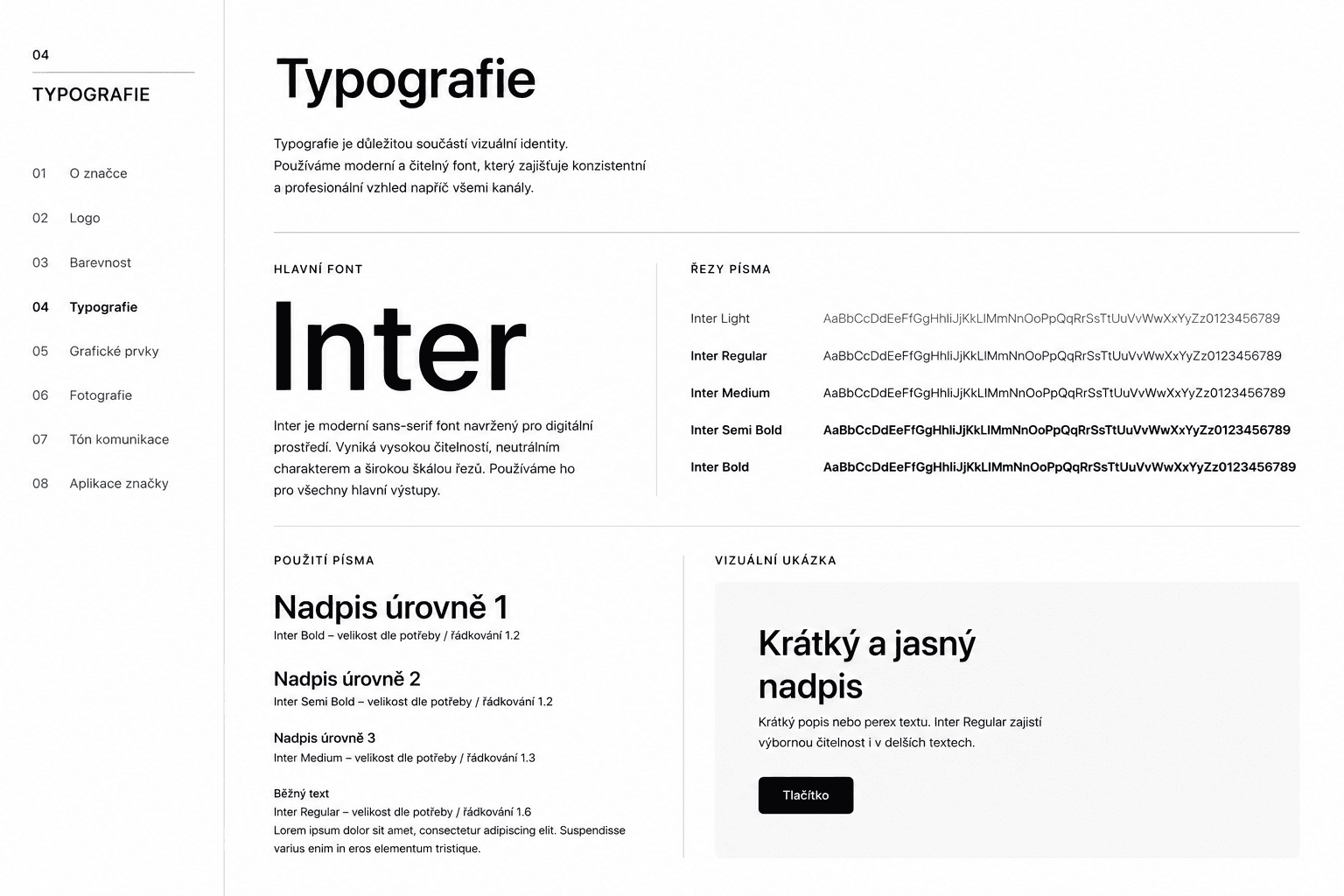
How to manage fonts effectively
Effective font management is primarily based on centralising information. An organisation should have a single location where current font files, individual styles, licensing documentation, and usage guidelines are readily available.
Font management should also include:
- font versioning,
- records of licensing terms,
- access permission management,
- links between fonts, brand guidelines, and other brand materials,
- a clearly defined process for sharing fonts with external partners.
When this information is scattered across emails, network drives, or employees’ personal storage, the likelihood of errors increases, as does the time required to resolve them.
Digital asset management systems simplify this process by connecting fonts with other brand materials. BrandCloud makes it possible to store font files together with licensing documentation, brand guidelines, and other assets, enabling teams to work with up-to-date information from a single location.
Fonts deserve systematic management
Fonts are often overlooked in digital asset management, despite their impact on the everyday operation of a brand. Their importance becomes fully apparent when the correct version is missing, licensing information cannot be found, or different teams use different typefaces.
Systematic management helps prevent these situations. It gives organisations a clear overview of the fonts they use, their versions, and their licensing terms, while also creating an environment in which internal and external teams can work with the same materials. Fonts thus become an integral part of digital asset management and support long-term brand consistency.