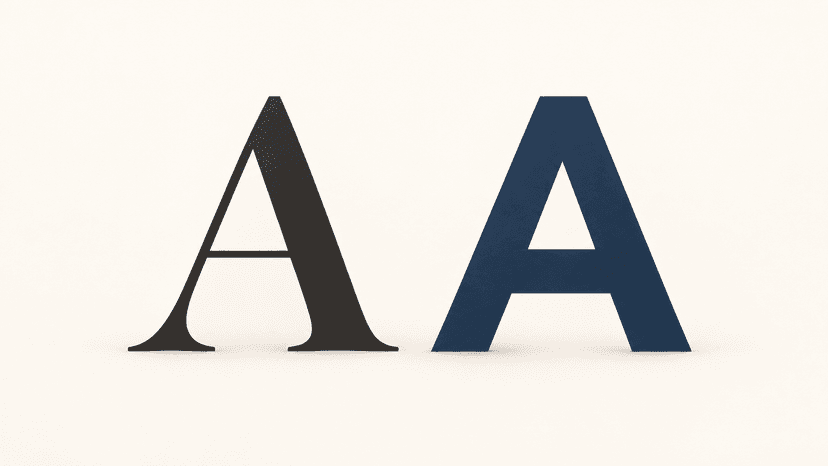
Font licensing is often perceived as a technical formality that gets resolved at the beginning of a project and then ignored. This approach starts to break down once the visual identity is used across multiple channels. A font is no longer just a graphic element. It becomes part of the entire brand system.
We believe this is where one of the biggest gaps between design and reality emerges. Typography is designed for an ideal scenario, but real-world use follows different rules. And it is the license that defines those boundaries.
What font licensing actually means
Font licensing defines where and how a particular typeface can be used. Each font comes with its own licensing model, which limits its use to a specific number of users, devices, or output types.
The differences between licenses are significant. A desktop license allows work in design software but does not cover web use. A webfont license is intended for online environments. Applications, presentations, or documents may require additional specific permissions.
When these differences are ignored, problems arise. The font starts being used in ways that were not originally intended. This creates both legal and visual complications.

When licensing disrupts brand consistency
Visual identity relies on repetition. The same font must work in every context where the brand appears. Once that is no longer possible, the system begins to fall apart.
A common scenario:
- the design is based on a distinctive primary font
- digital environments use a different one
- presentations or documents rely on yet another variation
The original unified concept gradually breaks into several parallel versions. Each may function on its own, but together they lose coherence.
Typography stops being a stable element of identity. It starts adapting to limitations.
Real-world examples of systematic solutions
Netflix developed its own font, Netflix Sans. The goal was to gain full control over typography and remove dependency on external licenses. The result is a unified system that can be used across all channels without restrictions.
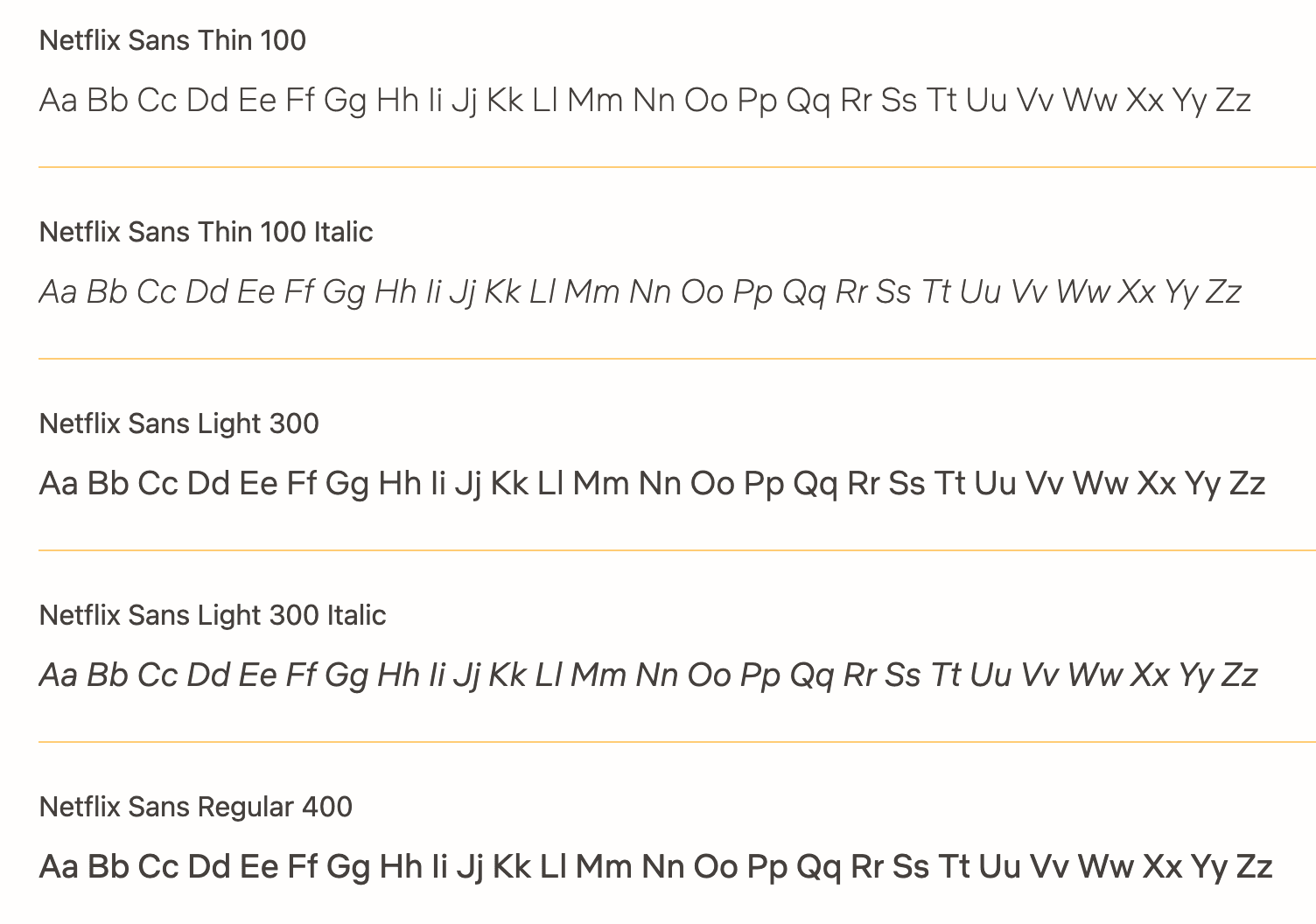
Source: Online fonts
Airbnb followed a similar path. Its custom font, Airbnb Cereal, unified communication across product and marketing. Typography became a stable part of the brand rather than something constrained by external limitations.
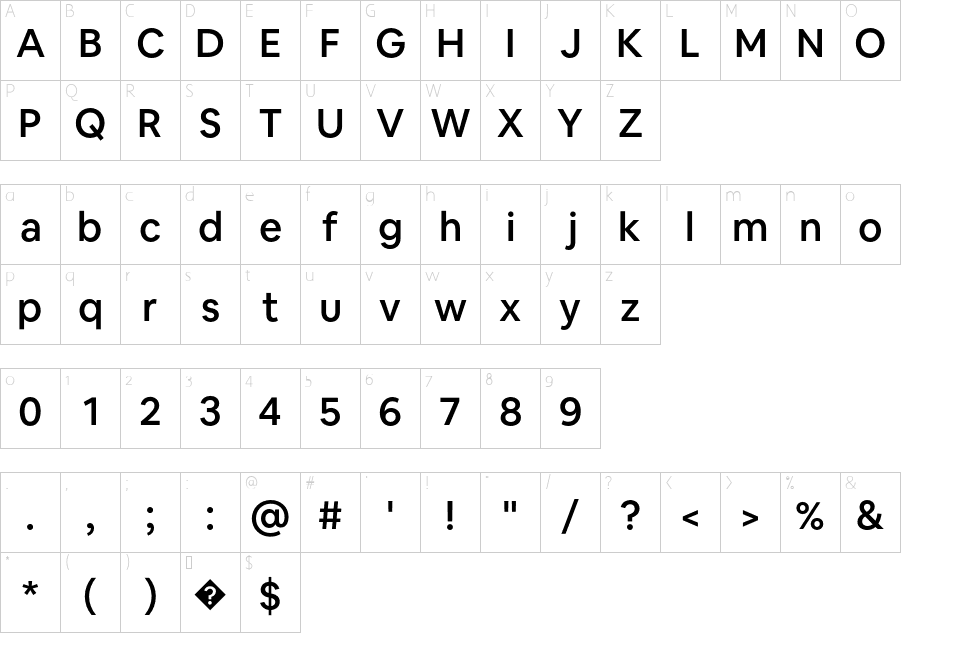
Source: font.gooova
In smaller projects, a different issue often appears. The identity is designed using a font that is not sustainable from a licensing perspective. After launch, it is replaced with a more accessible alternative. As a result, the visual output shifts away from the original concept.
Digital environments and new licensing demands
Today, brands operate across multiple environments at once. Websites, mobile apps, email communication, documents, and internal tools. Each of these uses typography differently.
This leads to different licensing requirements:
- webfont licenses for online use
- licenses for applications
- permissions for embedding fonts in documents
A single typeface may require several different licenses. If this is not considered during the design phase, inconsistencies begin to emerge and grow over time.
Typography thus sits at the intersection of design and technology.
Managing fonts as part of branding
Fonts are not static assets. They are part of everyday content creation. That is why they need to be managed.
BrandCloud enables centralized font management, version control, and accessibility across teams. This creates a clear framework for consistent typographic use.
Without this approach, fragmentation occurs. Different teams use different versions and store their own variations. The result is inconsistent output.
And that is visible in the brand.
What to take away and how to apply it in practice
Font licensing should be addressed during the design phase of a visual identity. Not after the brand has already been launched.
Recommended approach:
- define all environments where the brand will operate
- verify the type of license required for each
- choose fonts based on real usage scenarios
- treat licensing as part of the budget
- implement centralized font management
- regularly review how fonts are used
Typography works well only when it is sustainable over time. And that decision is made right at the beginning.