
Every organization that works with a growing volume of digital content eventually faces the same challenge. Photos, videos, graphics, presentations, documents, and other digital assets accumulate quickly, making them increasingly difficult to manage. Employees waste valuable time searching for the right files, duplicate assets begin to appear, and no one is entirely sure which version is the most up to date.
Implementing a Digital Asset Management (DAM) system alone is not enough to solve this problem. To truly streamline everyday workflows, it needs a solid foundation. One of the most important elements is a well-designed DAM taxonomy, which defines how digital assets are organized and how users navigate through them.
A thoughtfully designed taxonomy creates a clear, scalable structure that remains effective even when a digital asset library grows to thousands—or even tens of thousands—of files.
What Is Taxonomy and What Is a DAM Taxonomy?
The term taxonomy refers to a method of classifying and organizing information into a logical structure. It is widely used across many disciplines. In biology, taxonomy classifies living organisms into categories, while libraries and online stores rely on taxonomy to organize large amounts of information in a way that makes it easy to browse and search.
The same principle applies to digital asset management.
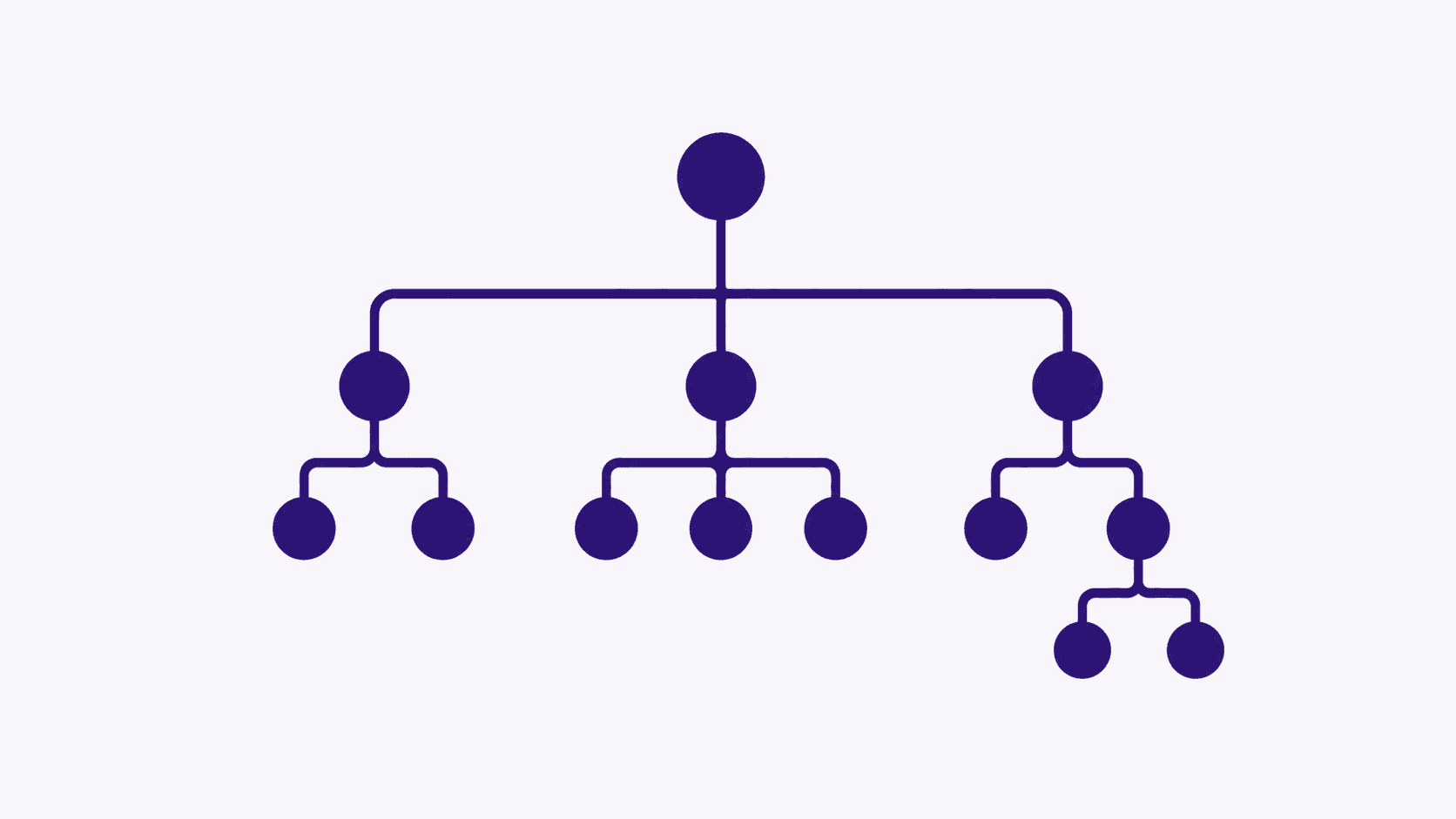
A DAM taxonomy is a structured system of categories and hierarchies used to organize digital assets. Its purpose is to ensure that users can quickly find the content they need while keeping the entire asset library organized as it continues to grow.
A DAM taxonomy is much more than a folder structure. It reflects how an organization thinks about its digital content. It defines the primary categories assets belong to, establishes logical relationships between them, and creates a consistent organizational framework across the business.
Consider a manufacturing company as an example. One employee may look for product images by product line, another by marketing campaign, and another by brand. A well-designed taxonomy provides a structure that reflects how people actually use digital assets—not simply where the files happen to be stored.
Why Is a DAM Taxonomy Important?
Many organizations only begin thinking about digital asset management once their existing folder structure stops working. In many cases, however, the real issue isn't the technology itself but the lack of a consistent organizational framework.
A well-planned DAM taxonomy offers several important benefits.
First and foremost, it significantly improves search efficiency. When everyone shares the same understanding of where different types of assets belong, there is no need to browse through dozens of folders to locate a file.
Consistency is equally important. Marketing teams, sales departments, product managers, and external agencies all work within the same structure, reducing duplicate content and minimizing the risk of outdated assets being used.
The importance of taxonomy also grows alongside the business. While smaller companies may manage with relatively simple structures, larger organizations with multiple brands, product lines, or international markets require a scalable taxonomy to support sustainable digital asset management.
A clear organizational structure also makes onboarding much easier. Instead of explaining individual filing habits or folder conventions, new employees simply learn the logic behind the entire asset library.
How to Design a DAM Taxonomy Step by Step
There is no universal taxonomy that works for every organization. Every business manages different types of content and has unique operational needs. However, there are several best practices that apply across industries.
1. Audit Your Digital Assets
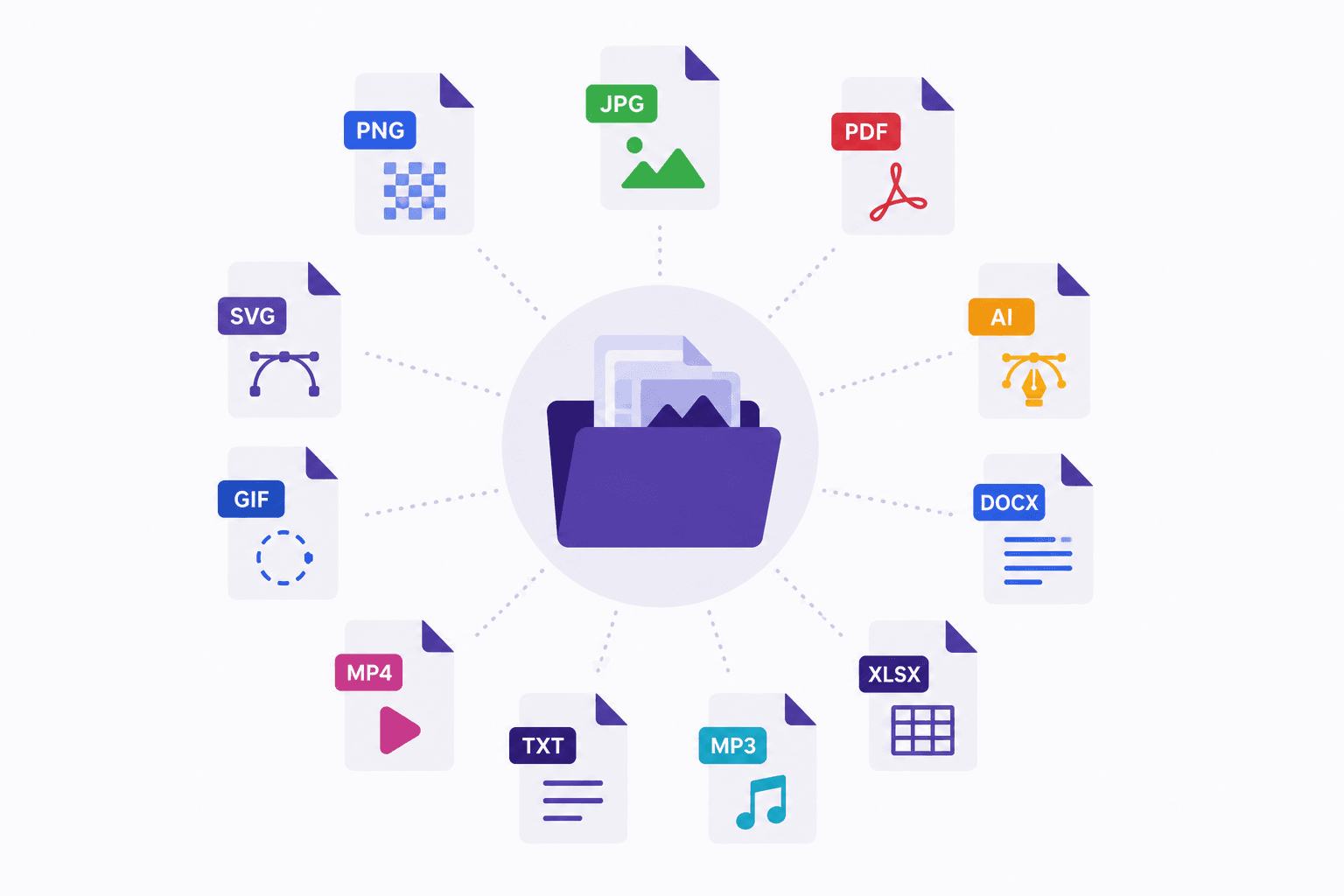
The first step is understanding exactly what types of digital assets your organization manages.
These may include:
- Product photography
- Lifestyle photography
- Videos
- Banners
- Logos
- Graphic design files
- Presentations
- Instruction manuals
- Corporate documents
Only after understanding the scope of your asset library can you design a structure that truly meets your organization's needs.
2. Understand How People Search for Content
One of the most common mistakes is designing a taxonomy based on the company's internal organizational structure.
Instead, focus on understanding how employees actually search for digital assets. Do they search by product? Brand? Campaign? Region? Or by content type?
The way people use content—not the way departments are organized—should serve as the foundation of your taxonomy.
3. Define the Main Categories
Once you understand how users work with digital assets, you can establish the primary organizational categories.
Typical examples include:
- Products
- Brands
- Marketing campaigns
- Regions
- Departments
- Asset types
These categories should be clear, intuitive, and sustainable over the long term.
4. Build a Clear Hierarchy
An effective taxonomy doesn't require dozens of nested levels.
In fact, overly complex structures often make navigation more difficult rather than easier.
Your hierarchy should remain logical, consistent, and flexible enough to support future growth.
5. Involve Future Users
Marketing should not be the only team involved in designing your taxonomy.
Sales teams, product managers, designers, and any other departments that regularly work with digital assets should contribute to the process. Each group may search for content differently, and their insights help create a taxonomy that works across the entire organization.
6. Plan for Future Growth
Your taxonomy should work not only today but also several years from now.
New product lines, acquisitions, additional brands, or expansion into new markets can significantly change both the volume and structure of your digital content. A well-designed taxonomy can accommodate these changes without requiring a complete redesign.
Common Mistakes When Designing a DAM Taxonomy
Although the concept of taxonomy may seem straightforward, organizations often make the same mistakes that reduce its effectiveness.
One of the most common is creating an overly complicated structure. Too many hierarchical levels or unclear category names quickly make navigation difficult.
Another frequent issue is designing the taxonomy without consulting the people who will use the system every day. In such cases, the structure reflects the preferences of only a few individuals instead of the needs of the entire organization.
Some companies also try to create a perfectly detailed taxonomy from the very beginning. The result is often a system that is difficult to maintain. A better approach is to establish a strong foundation and refine it over time as the organization's needs evolve.
A Well-Designed DAM Taxonomy Is the Foundation of Effective Digital Asset Management
Designing a high-quality DAM taxonomy takes time and a thorough understanding of how your organization works with digital content. When the structure is carefully planned from the outset, it simplifies everyday asset discovery, creates consistency across teams, and provides a solid foundation for the long-term growth of your digital asset library.
When designing your taxonomy, focus first and foremost on the needs of your users. Keep the structure simple, intuitive, and flexible enough to evolve alongside your organization. A well-designed taxonomy supports efficient digital asset management not only today but also as your content library continues to grow.
BrandCloud enables organizations to build a clear and scalable structure for managing digital assets that reflects their specific business needs. With a well-designed DAM taxonomy in place, companies can unlock the full potential of their DAM system, ensuring that digital assets remain easy to find, well organized, and readily available for teams across the organization.