Today, digital products are created through collaboration between designers, developers, marketers, and many other teams. Each of them works with different tools and often uses a different way of describing a brand's visual identity. This is where design tokens come in—structured data that translate brand guidelines into a format that can be understood and shared across different systems and disciplines.
Design tokens are most commonly associated with design systems and application development. However, their value extends far beyond that. They are increasingly becoming part of conversations around brand management and digital asset management (DAM), helping organizations maintain a consistent visual identity across teams and channels.
What Are Design Tokens?
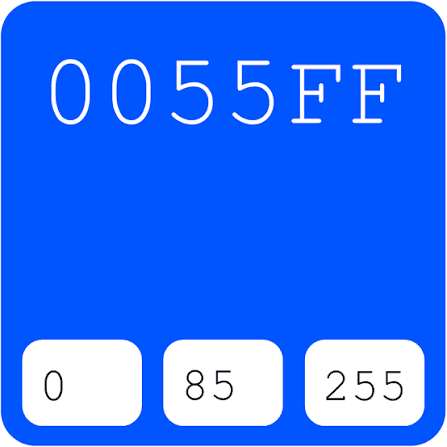
A design token is a named value that represents a specific element of a brand's visual identity. Instead of defining a color as #0055FF, for example, it can be referenced as Primary Blue or Brand Primary. The same principle applies to typography, spacing, sizing, corner radius, shadows, animations, and many other design properties.
The key advantage is that the value itself is separated from where it is used. If a company's primary color changes, there is no need to manually update every component or screen. Updating the token automatically applies the change wherever that token is referenced.
As a result, design tokens serve as a single source of truth for visual design decisions that can be shared across design tools, development environments, and other systems.
How Design Tokens Connect Design and Development
Design systems help teams build consistent digital products, but components alone are not enough. Their visual properties also need to follow the same set of rules.
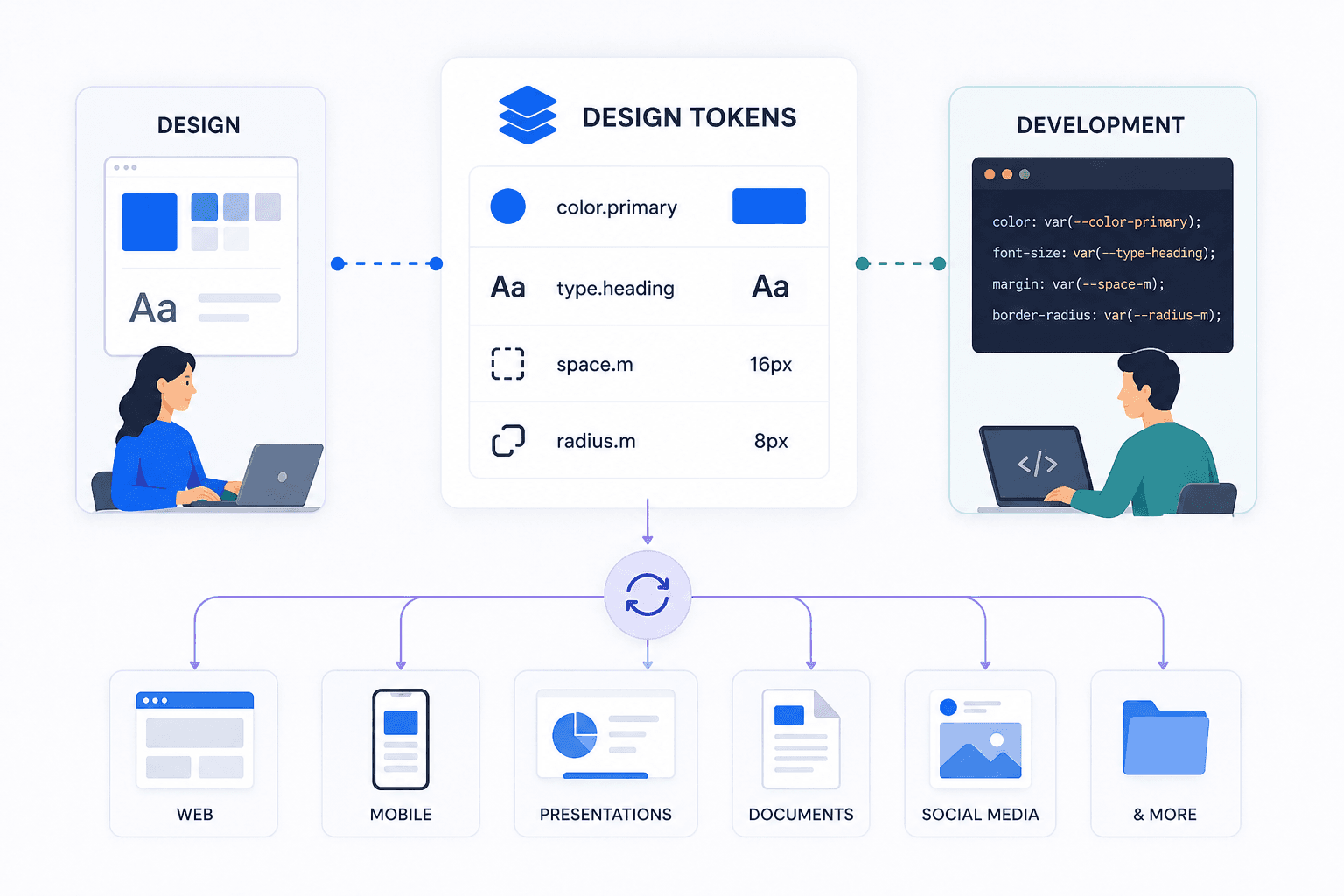
This is where design tokens become essential. Designers work with a token representing the primary brand color, while developers reference the same token in the codebase. Both teams rely on the same definition, eliminating the need to manually transfer values from design files into development.
Modern solutions such as Figma Variables and Material Design 3 are built around this concept. Design decisions are managed centrally and can be applied across websites, mobile applications, and other digital products, making it easier to maintain consistency while simplifying redesigns and future updates.
Where Design Tokens Meet DAM
A design system defines how a product should look. A Digital Asset Management (DAM) solution manages digital assets such as logos, images, videos, documents, and branded templates.
Although these disciplines serve different purposes, they share the same objective: maintaining a consistent brand identity.
Design tokens define the visual rules, while DAM ensures that everyone works with approved and up-to-date assets. When a company updates its brand colors, typography, or other visual elements, it is not enough to modify the design files. Those changes also need to be reflected in presentations, marketing materials, templates, and every other branded asset used throughout the organization.
BrandCloud centralizes the management of digital assets, making it easier for teams to access and share approved content. Combined with design tokens, it helps organizations align both their brand guidelines and the assets created from them.
Design Tokens as a Common Language for Brands
Design tokens are often viewed as a tool for UI design and software development. In reality, they connect a much broader range of teams. Marketing, design, development, and external partners can all work from the same definitions for colors, typography, spacing, and other visual elements, helping maintain a consistent brand experience across every touchpoint.
This is where design tokens naturally complement DAM. While a design system defines how the brand should look, DAM ensures that everyone uses the correct and most up-to-date digital assets. Together, they provide a shared foundation that connects design, development, and brand management while making organizational changes easier to implement and maintain over time.