You can recognise a brand without seeing its logo. The shape of a bottle, a familiar packaging colour or a few notes from an advert can give it away. These associations develop over time. When the same elements appear repeatedly, people begin to connect them with a particular company.
Together, they form the brand’s distinctive signature. This helps customers recognise who an advert is from before they even read the brand name.
What can give a brand away
Customers remember a brand through what they see, hear and read. They do not need to know which typeface it uses or the name of its signature colour. Those elements can still feel familiar.
Elements that contribute to brand recognition include:
- Colours: a familiar colour combination and how it appears on packaging, websites or in advertising
- Typography: letter shapes, bold headlines and ways of highlighting text
- Photography and illustration: consistent lighting, composition or illustration style
- Shapes and packaging: a product’s silhouette, the shape of a box or a recurring graphic motif
- Language: how the brand addresses people, its characteristic expressions and use of humour
- Sound: a short jingle or melody associated with the brand
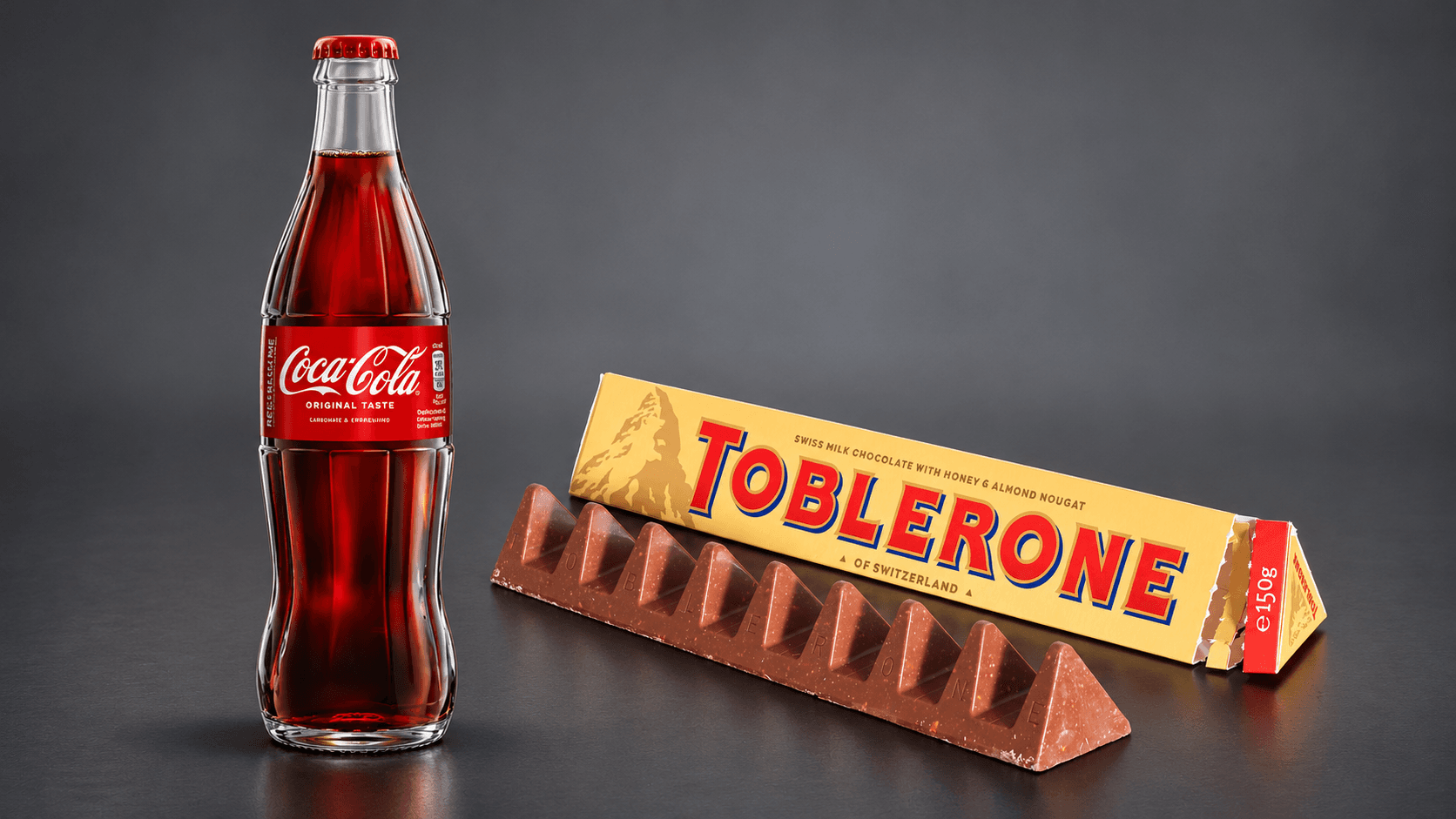
Coca-Cola’s contoured bottle and Toblerone’s triangular packaging are good examples. People may associate these shapes with the brand without needing to see its logo.
A striking look is not enough
What matters is that people associate an element specifically with your brand. An advert may attract attention, but if customers cannot identify the company behind it, that attention may do little to help them recognise it next time.
The same applies to colour. Blue can be a prominent part of a visual identity. But if most competitors use it too, it will not identify the company on its own. Combined with typography, photography or packaging, it can become more distinctive.
Your team may tire of a look before customers recognise it
Brand recognition takes time and repetition. Marketing teams see the company’s colours and graphics every day. Customers may encounter them only occasionally. The urge to change everything can arrive before the audience has had time to remember the existing identity.
Each campaign can still introduce a new idea. One might feature a product, another a customer’s story. Familiar typography, a graphic motif or a photography style can connect the two.
Before changing your visual identity, find out what people already recognise. Those elements can provide a useful foundation for its next stage of development.
Try covering up the logo
A simple test can give you an idea of how customers recognise your brand. Choose a few everyday materials and show them to people from your target audience. Ideally, involve people who did not help create them.
- Cover the logo and name: use packaging, an advert or a social media post
- Ask without giving hints: let people tell you which brand the example reminds them of
- Find out why: ask whether it was the colour, photography, typography or something else
- Watch for confusion: if a competitor’s name keeps coming up, look at which elements you have in common
This provides some initial feedback. You can then explore the findings with a larger group of customers.
Help your team put the brand into practice
Everyday presentations, proposals and quickly prepared posts all help shape a brand. The people creating them benefit from clear examples. Showing a suitable photograph says more than a general instruction to “use authentic images”. Examples of greetings or headlines can provide similar guidance for writing.
The materials should also be easy to access. BrandCloud allows brand assets to be shared from one place. Colleagues can find the fonts, photographs, colour specifications and sample designs they need. They have something to build on when creating their next piece of content.
Making new ideas feel familiar
A recognisable brand has room for new campaigns and change. Keeping something customers already know helps it remain familiar. That might be the shape of its packaging, its photography style or a few words. These small details can bring the brand to mind before its logo appears.