Typography: How Type Shapes Visual Identity
Typography is more than just type—it is the language of visual communication. It defines readability, sets the tone, and evokes emotion. When chosen thoughtfully, typography highlights key messages and strengthens a brand’s visual identity.
What Is Typography?
Typography is both an art and a technical discipline that determines how text looks, how it reads, and how it makes us feel. It goes far beyond simply choosing a font. Typography encompasses type size, weight, spacing between letters and lines, text hierarchy, and overall layout on the page.
Well-crafted typography ensures that text is readable, clear, and visually compelling. It guides the reader’s eye, emphasizes essential information, and transforms ordinary content into a powerful visual experience. Poor typographic choices, on the other hand, can undermine even the strongest message.
From printed materials to digital screens, typography shapes how we perceive content. It influences credibility, aesthetics, and brand identity, making it one of the most critical elements of design and digital communication. Simply put, typography gives words a face.
What Typography Is Used For
1. Ensuring Readability and Clarity
Effective typography makes text easy to read and understand. Proper font size, line height, and letter spacing significantly improve reading comfort—especially on digital devices.
2. Creating Visual Hierarchy
By varying size, weight, and style, typography distinguishes headlines, subheadings, and body text. This hierarchy helps readers quickly understand structure and prioritize information.
3. Expressing Tone and Emotion
Typography shapes how a message is perceived—whether it feels formal, friendly, creative, or serious. Italics can suggest emphasis or quotation, while bold type draws attention to key points.
4. Strengthening Brand Identity
Typography plays a central role in building a brand’s visual identity. Consistent use of specific typefaces and styles creates a recognizable, professional look that enhances trust and brand recall.
5. Improving User Experience (UX)
In digital environments, good typography enhances usability and accessibility. It helps users navigate content efficiently, leading to a smoother and more intuitive experience across websites and applications.
Why Typography Is the Most Important Element of Design
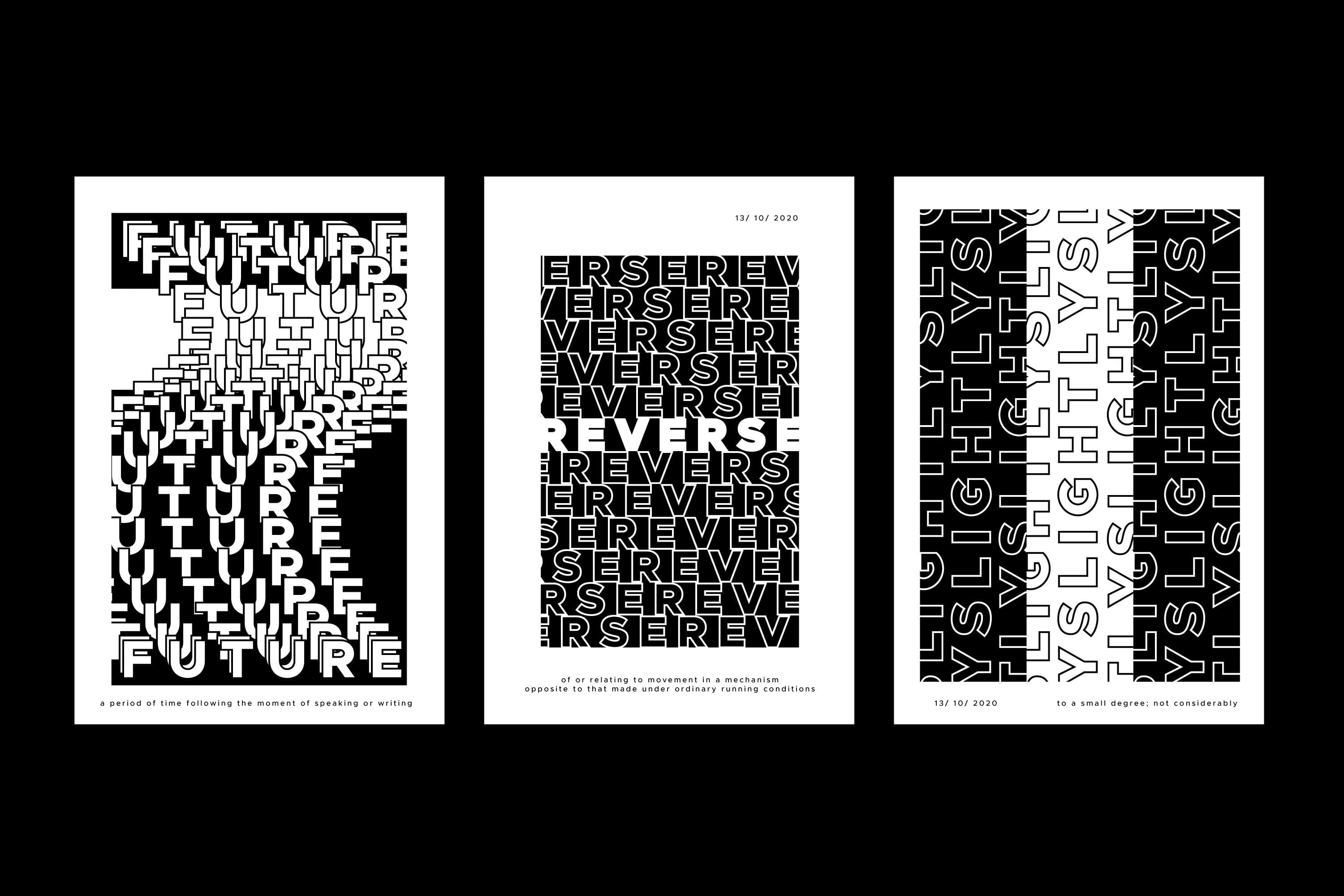
Typography is the backbone of every design. While graphics, color, and imagery may grab attention, type determines how a message is read and understood. Text carries most of the information we consume across websites, apps, marketing materials, and print.
Without strong typography, content can feel chaotic, unreadable, or emotionally flat—ultimately weakening brand credibility.
Great typography bridges aesthetics and function. Through thoughtful type choices, hierarchy, and spacing, designers can guide readers, highlight essential information, and convey the brand’s personality and emotional tone. Consistent typography reinforces visual identity and creates a unified language that audiences intuitively understand.
In digital contexts, well-designed typography ensures clarity, usability, and accessibility across devices—from smartphones to large desktop screens. It gives brands control over how their content is perceived, making typography not just a design element, but a core structural and communicative tool that brings order and meaning to the visual world.
Types of Typography
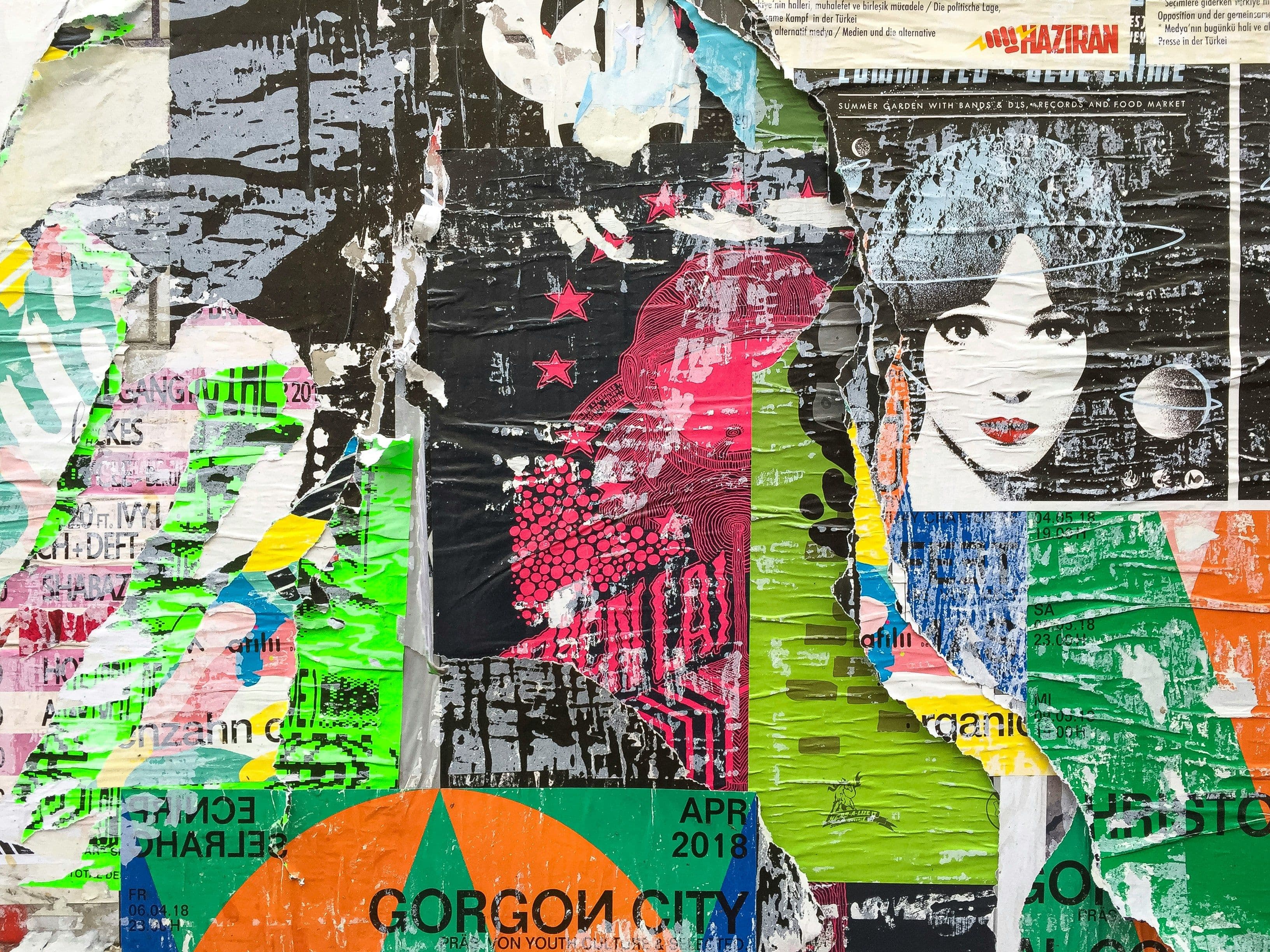
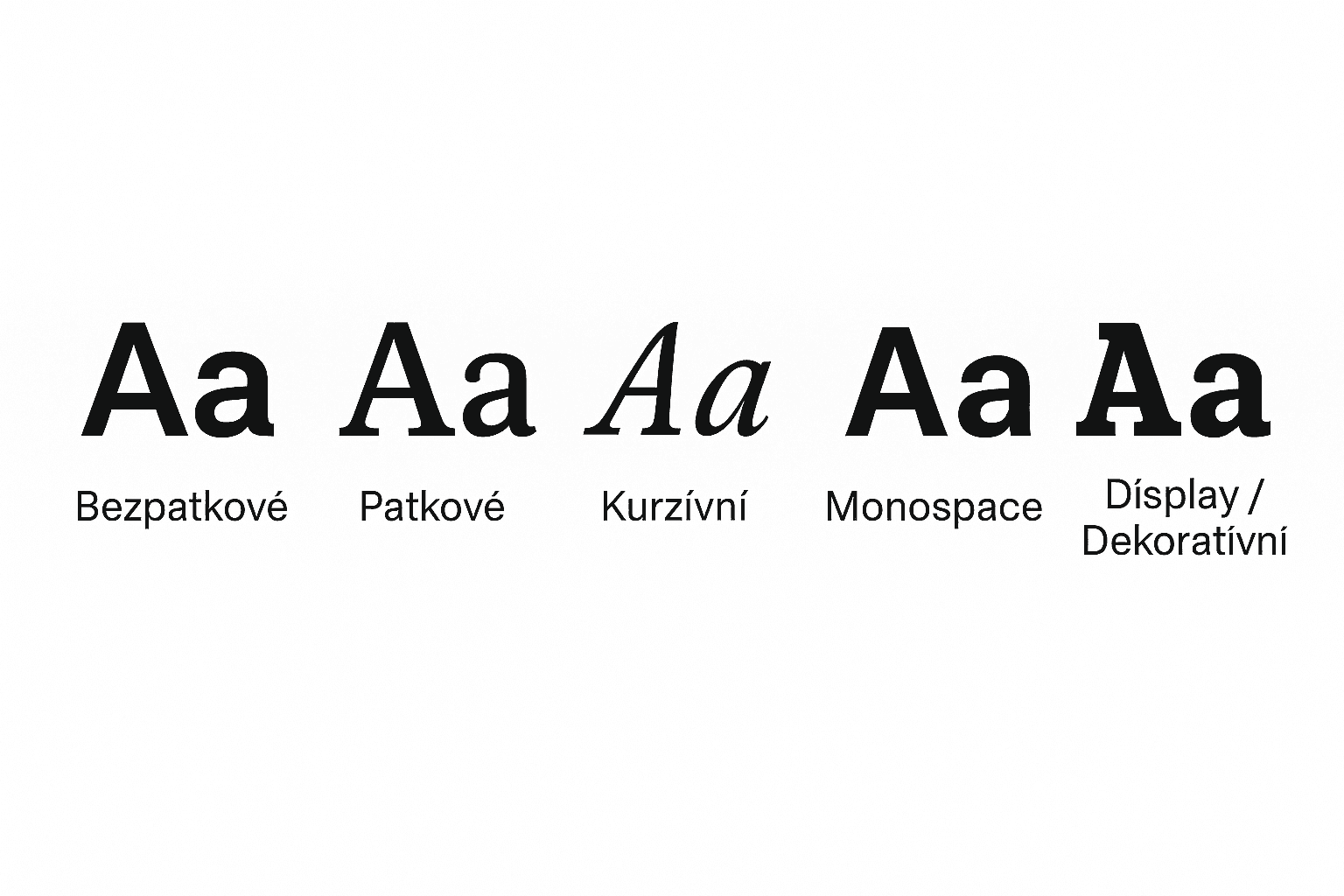
Typography is not one-size-fits-all. Different type categories serve different purposes, and choosing the right one is a critical design decision.
- Sans Serif
The most commonly used type in digital design. Clean, modern letterforms without decorative strokes offer excellent readability on screens, even at smaller sizes. Ideal for websites, apps, and marketing materials. - Serif
Traditional typefaces with small strokes at the ends of letters. Well suited for print, long-form reading, and formal documents. Serifs help guide the eye along lines of text and convey a classic, professional tone. - Script
Typefaces that mimic handwriting. Often used for emphasis, quotes, or decorative accents. They evoke elegance or a personal feel but are not suitable for long passages of text. - Monospace
Each character occupies the same horizontal space. Commonly used in coding, tables, and technical documentation, where precise alignment and structure are essential. - Display / Decorative
Expressive typefaces designed for headlines, logos, and visual accents. They have strong personality but are not intended for body text due to limited readability.
A Brief History of Typography—and Fun Facts
Typography has a rich history dating back to Johannes Gutenberg’s printing press in the 15th century, which enabled the mass reproduction of text and the widespread dissemination of information across Europe.
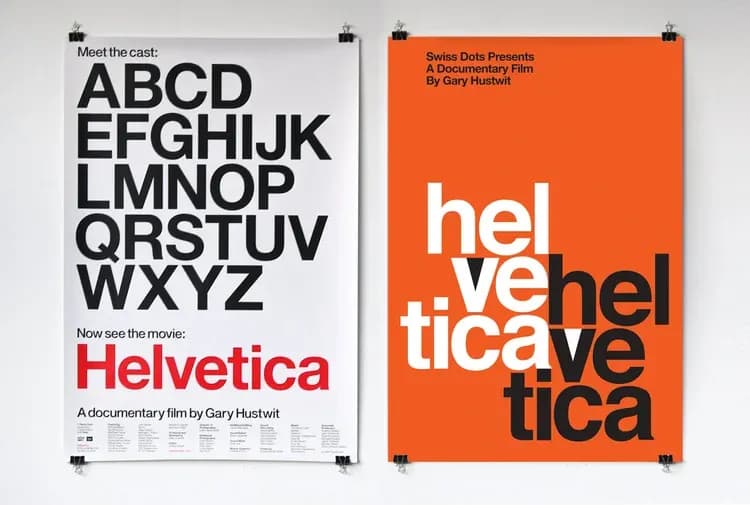
The 19th and 20th centuries introduced iconic typefaces such as Helvetica, Times New Roman, and Futura, many of which still shape the visual language of brands and media today. With the rise of digital technology, typography moved to screens, prompting the creation of fonts optimized for readability across different devices and resolutions.
Fun Facts
- Comic Sans was originally designed for children’s software, yet became one of the most controversial fonts in history.
- Many people recognize famous typefaces instantly without knowing their names—such as Futura or Times New Roman.
- Helvetica has its own documentary film and remains one of the most iconic typefaces ever created.
How Typography Connects to BrandCloud
Typography is essential to brand identity, yet organizations often use multiple fonts and styles across different platforms. BrandCloud allows companies to store and share all fonts and typographic styles centrally.
This ensures that teams always use the right typeface in the right context, eliminating inconsistencies and outdated files. BrandCloud helps maintain a cohesive and professional visual language across all channels and materials.
Typography isn’t just about appearance—it’s the language of visual communication that shapes readability, tone, and emotion. The right typeface, hierarchy, and styling improve clarity, support brand identity, and give content a distinct voice. From timeless classics like Times New Roman and Helvetica to modern fonts like Roboto, every typeface plays a specific role. With BrandCloud, all typographic styles can be centrally managed and shared, ensuring consistency across touchpoints. Typography ultimately unites aesthetics and function, giving text character, authority, and meaning—and making it a cornerstone of design and digital communication.