Every digital asset goes through a series of changes throughout its lifetime. It is created, edited, reviewed, used in marketing campaigns, updated, and eventually archived or retired. This process is known as the asset lifecycle.
A well-managed asset lifecycle helps organizations keep their digital content organized, improve collaboration across teams, and ensure everyone is working with the most up-to-date versions of files. As the volume of digital content continues to grow, asset lifecycle management has become an essential part of effective digital asset management.
What Is Asset Lifecycle?
Asset lifecycle refers to the complete journey of a digital asset—from the moment it is created until it is no longer in use. It is more than just a sequence of stages; it is a structured approach to managing the asset throughout its entire lifespan. The goal is to ensure that every asset is easy to find, up to date, and accessible to the people who need it.
The concept originates from Asset Lifecycle Management (ALM), a discipline used to manage both physical and digital assets. Its purpose is to maximize the value of an asset throughout its lifecycle—from planning and creation to retirement. Today, the same principles are widely applied to digital content management.
Managing the asset lifecycle gives organizations clear visibility into who created an asset, when it was last updated, which version is current, and when it should be archived or retired. This makes it easier to organize digital content and prevents different teams from using outdated or inconsistent materials.
The Stages of a Digital Asset Lifecycle
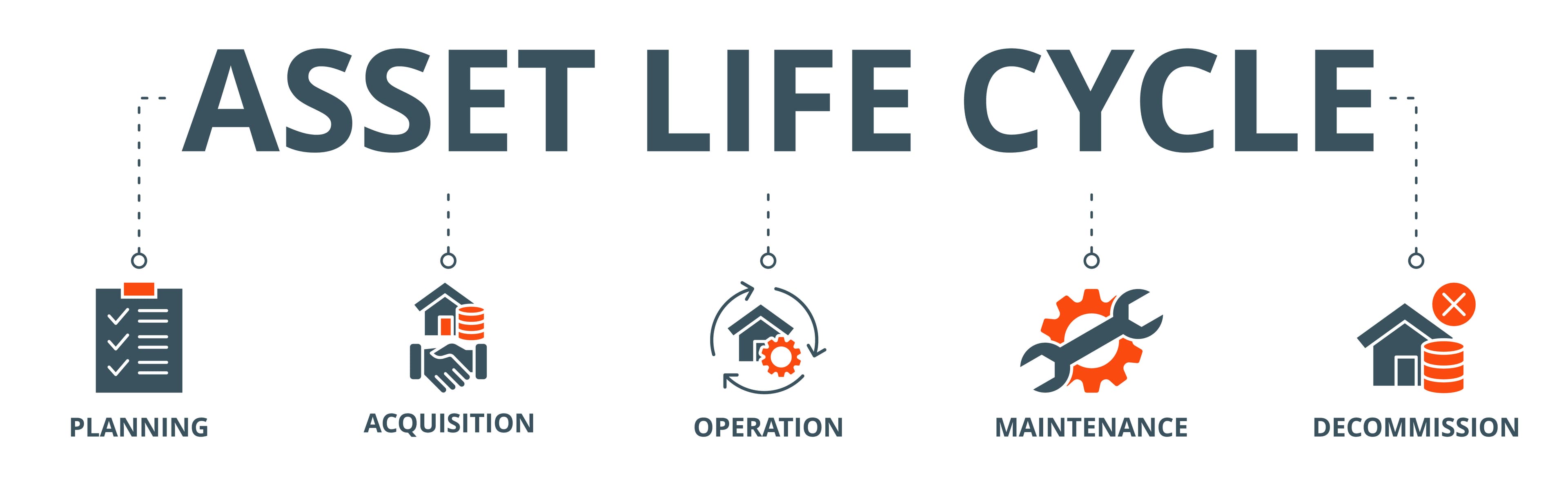
Although different methodologies describe the asset lifecycle in slightly different ways, the underlying principles remain the same. Every digital asset typically moves through several key stages.
Creation
The lifecycle begins when an asset is created. This could be a graphic design, product photo, video, presentation, or any other piece of content intended for internal or external communication.
At this stage, it's good practice to add metadata, assign ownership, and establish consistent naming conventions. Doing so makes the asset much easier to locate in the future.
Approval
Before an asset is ready for use, it usually goes through an approval process. Teams review the content, visual design, accuracy of information, and compliance with brand guidelines.
A well-defined approval workflow reduces the risk of incomplete or unapproved assets being published or shared.
Active Use
Once approved, the asset begins serving its purpose. It may appear on websites, social media channels, advertising campaigns, email marketing, sales presentations, or printed materials.
At this stage, a single asset is often used by multiple departments. Ensuring that everyone has access to the same approved version is essential for maintaining consistency.
Updates
Content naturally evolves over time. Product information changes, new language versions are created, marketing messages are refined, and visual identities are refreshed.
Each update creates a new version of the asset. Without proper version control, organizations can quickly accumulate multiple copies, making it difficult to identify the most recent and approved file.
Archiving or Retirement
No asset remains relevant forever. Once a campaign ends or a brand undergoes a redesign, certain assets may no longer be suitable for use.
Some files should be archived for historical, legal, or compliance purposes, while others can be safely deleted. Organizations benefit from having clear policies that define when assets should be archived or retired and who is responsible for those decisions.
Why Asset Lifecycle Matters for Brand Management
Asset lifecycle management affects much more than file organization. It has a direct impact on brand consistency, collaboration, and overall operational efficiency.
Without clearly defined processes, organizations often end up with duplicate files, multiple versions of the same asset, and employees spending unnecessary time searching for the right materials. These issues can negatively affect marketing campaigns, sales presentations, and day-to-day communication.
A structured asset lifecycle ensures organizations always know where assets are stored, who owns them, and which versions are approved for use. As a result, brands can maintain consistent communication across all channels while making collaboration between marketing, sales, HR, and external partners much more efficient.
What Happens Without Asset Lifecycle Management?
At first glance, managing digital assets may seem like little more than storing files. In reality, the biggest challenge often begins after an asset has been created. Without a clearly defined lifecycle, digital content gradually becomes disorganized, making it increasingly difficult to manage.
One of the most common issues is the use of outdated assets. Employees or external partners may accidentally use an older version of a logo, product image, or sales presentation simply because it's unclear which version has been approved.
Duplicate files are another common problem. The same asset is often stored in multiple locations under different names or in slightly different versions. Instead of having one reliable source, organizations end up with numerous copies that differ only by minor edits. The result is wasted time searching for the correct file and unnecessary duplication of work.
Challenges also arise when managing licenses and user permissions. If an organization lacks visibility into where an asset originated, who created it, or how long it may be used, the risk of improper usage increases.
As digital asset libraries continue to grow, these issues become more significant. Processes that worked with a few dozen files become increasingly inefficient when managing thousands of assets.
How Asset Lifecycle Supports Digital Asset Management (DAM)
Managing the lifecycle of digital assets using shared folders or standard cloud storage alone becomes increasingly difficult as content libraries grow. More files mean more versions, more permissions to manage, and more people collaborating on the same content.
This is why many organizations implement a Digital Asset Management (DAM) system. A DAM platform enables organizations to manage the entire lifecycle of digital assets from a single location—from creation and approval to version control and archiving.
BrandCloud centralizes digital asset management by connecting every stage of the asset lifecycle. Users always have access to the latest approved files, can track version history, manage metadata and permissions, and quickly locate the assets they need. This streamlines collaboration across teams while reducing the risk of outdated content being used.
Instead of being just a theoretical concept, asset lifecycle becomes a practical process that helps organizations maintain control over their digital content.
Asset Lifecycle Is the Foundation of Effective Digital Asset Management
Digital content is one of the most valuable assets of any modern organization. Creating and storing files is only part of the process. To maximize their long-term value, organizations need to manage assets throughout their entire lifecycle—from initial creation to archiving or retirement.
A well-defined asset lifecycle helps organizations keep digital assets organized, maintain up-to-date content, and improve collaboration across teams. Combined with a DAM solution, it provides a strong foundation for efficient digital asset management, supporting both consistent brand communication and smoother day-to-day operations.