In most organizations, the challenge isn't a lack of digital assets—it's making them easy to find. Employees often know the file they need exists, yet they still spend valuable time searching for it or wondering whether they're using the most up-to-date version. This leads to unnecessary questions between colleagues, duplicate files, and outdated materials that can undermine consistent brand communication.
A well-organized digital asset library is about much more than keeping files tidy. It helps teams work more efficiently, improves collaboration, and ensures that the right materials are always available when they're needed.
A Digital Asset Should Never Be More Than a Few Clicks Away
Imagine a typical workday. The marketing team needs photos from the latest campaign, a sales representative is looking for the newest product presentation, and HR needs the company logo for a recruitment ad. The assets exist—but finding them takes longer than it should. Employees browse through folders, search old email threads, or ask colleagues where the correct file is stored.
These situations may seem minor, but they slow down everyday work across the organization. The more time people spend searching for files, the less likely they are to rely on the company's central repository. Instead, they save their own copies or use whatever version they happen to have on hand.
The ideal scenario is simple: users should be able to find the asset they need within a few clicks or by using search. They shouldn't have to understand the entire folder structure or remember exactly where a file is stored. If finding the right asset is complicated, the system is no longer serving its purpose.
Ask Yourself One Key Question When Choosing a DAM System
When evaluating a Digital Asset Management (DAM) system, organizations often compare features, integrations, or pricing. However, a much more important consideration is how well the system performs in everyday use.
Ask yourself one simple question:
Can someone find the right file even if they don't know where it's stored?
If the answer is yes, employees are far more likely to use the DAM system as their primary source for brand materials. If users need to know the exact folder structure or file naming conventions, they'll quickly find workarounds. They may save files locally, share them through email, or create multiple versions of the same document.
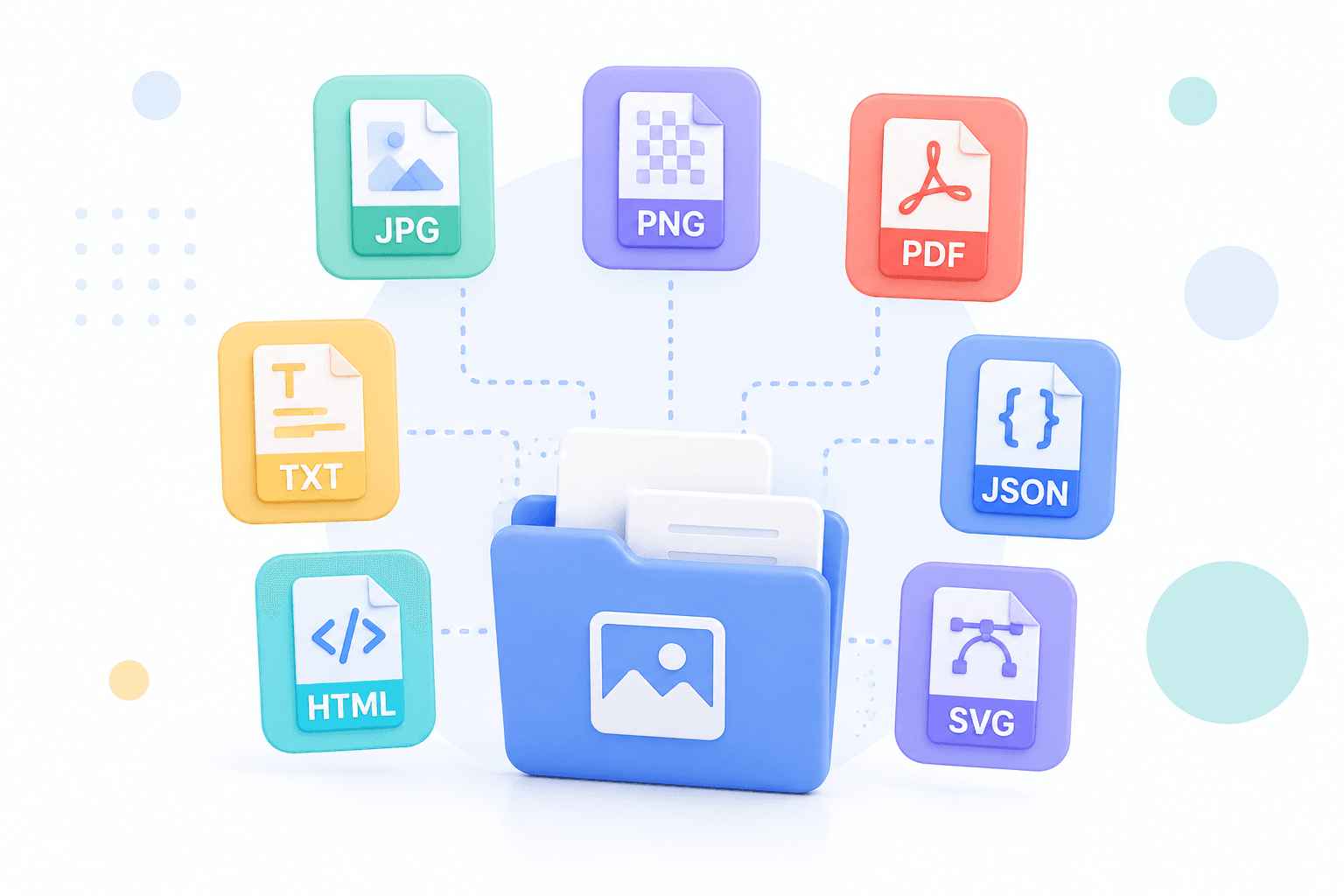
That's why modern DAM systems don't rely solely on folder hierarchies. They use metadata, tags, full-text search, filters, and version control, allowing users to find content based on a product, campaign, file type, or any other information they remember.
What Makes a Digital Asset Truly Usable?
Finding an asset quickly is only the first step. Users also need confidence that they've found the right file.
A clear content structure, consistent file names, previews, and information about the latest update all contribute to a better user experience. Larger organizations also benefit from permission settings that ensure each team has access only to the content that's relevant to them.
Context is equally important. A file on its own is often not enough. Users may need instructions on how to use it, information about its purpose, or links to related documents. When all of this information is available in one place, there's less uncertainty and no need to search for additional resources.
Ultimately, the usability of digital assets isn't determined by how many files a company stores, but by how easily people can find and work with them.
How BrandCloud Solves This Challenge
BrandCloud helps organizations organize digital assets so they're easy to find and ready to use. With Smartpages, each asset can be enriched with descriptions, guidelines, related documents, and links to additional resources, giving users all the context they need in a single location.
The platform also makes it easy to share content with colleagues and external partners, manage permissions, and collaborate through comments and approval workflows. As a result, everyone works from a single source of truth, making collaboration more efficient and ensuring that teams always use the latest approved materials.
When People Find the Right Asset in Seconds
Managing digital assets is about much more than organizing files. It has a direct impact on productivity, collaboration, and consistent brand communication. The easier it is to find the right asset, the less time employees waste searching and the lower the risk of using outdated or incorrect materials.
The best DAM system isn't the one with the longest list of features. It's the one that enables every user to find exactly what they need in seconds. That's when digital assets start delivering real value and supporting the day-to-day success of the entire organization.