
With the rise of generative artificial intelligence, it is becoming increasingly difficult to determine where digital content actually comes from. Photos, videos, and graphic materials can now be created or edited within seconds, often making it impossible to distinguish them from the original at first glance. As a result, businesses, media organizations, and content creators are placing greater importance on verifying the history of digital files and proving their origin.
This is exactly where Content Credentials come in. They provide a new way to preserve information about the origin and history of digital content. Their greatest value comes when they are managed alongside digital assets within a Digital Asset Management (DAM) system. This gives organizations greater visibility into where their content originated, what changes it has undergone, and whether artificial intelligence was used during its creation.
What Are Content Credentials?
Content Credentials are verifiable pieces of information attached to a digital file. They are often compared to a digital passport or a nutrition label because they capture essential details about a file's origin and history.
They can include information such as:
- the name of the creator or the organization that produced the content,
- the software or device used,
- a record of edits and modifications,
- whether artificial intelligence was used to create or edit the content.
Content Credentials are not a standalone application or service. They are built on the open C2PA (Coalition for Content Provenance and Authenticity) standard, which defines how this information is securely recorded and cryptographically signed. This makes it possible to verify whether the information has been altered or removed after the file was created.
It is important to distinguish between a file's provenance and its authenticity. Content Credentials do not confirm that a photo or video accurately represents reality. Instead, they provide verifiable information about the file's history—who created it, how it has been modified, and whether its provenance has been preserved.
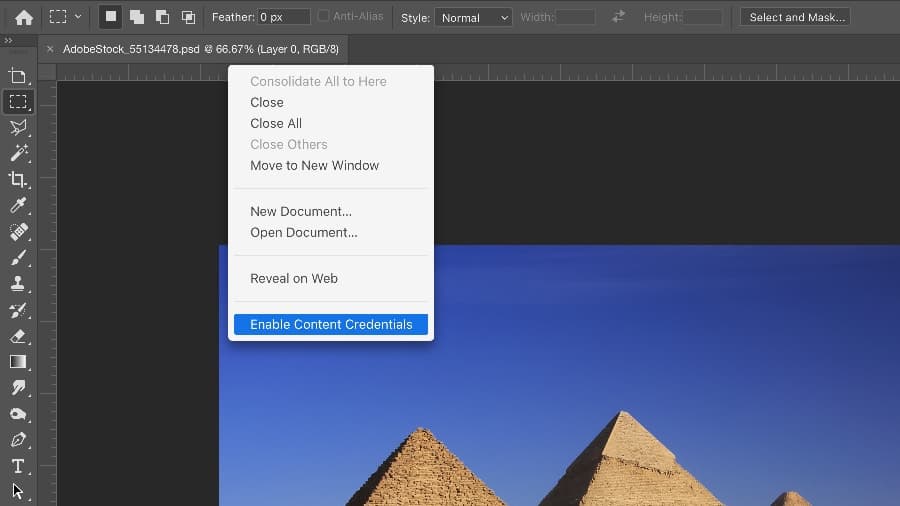
Source: Adobe
How DAM Helps Manage Content Credentials
Today's digital content is created across multiple applications and often passes through the hands of designers, marketers, agencies, and other external partners. Managing only the files themselves is no longer enough. It is equally important to preserve information about their origin, versions, and edit history.
This is where DAM and Content Credentials come together.
A modern DAM system manages digital assets throughout their entire lifecycle. In addition to storing files, it maintains metadata, version history, and user permissions. Content Credentials extend these capabilities by adding verifiable information about a file's origin, allowing this information to remain attached to the asset wherever it is used.
This provides several important benefits. Marketing teams can more easily trace the history of individual assets, verify their origin, and document the changes they have undergone. It also improves collaboration with external partners by ensuring everyone works with the same verified information.
BrandCloud centralizes the management of digital assets, including version control, metadata, and access permissions. As Content Credentials become more widely adopted, DAM systems will increasingly serve as the central hub for managing not only digital files themselves but also the provenance and history associated with them. This enables organizations to maintain greater visibility and transparency throughout the entire lifecycle of their digital content.

Why Content Credentials Will Become Increasingly Important
The rapid advancement of generative artificial intelligence is fundamentally changing both how digital content is created and how people evaluate its trustworthiness. Simply labeling an image as AI-generated is no longer sufficient. What matters more is the ability to document where content originated and record every significant change throughout its lifecycle.
This is why Content Credentials are gradually becoming part of mainstream creative tools. Companies such as Adobe, Microsoft, and Google support the initiative, and the technology is also being integrated into cameras and other devices. Thanks to the open C2PA standard, provenance information can be read and verified across different applications and platforms.
For organizations, this creates an opportunity to build greater trust in their digital content. Verifiable provenance for images, videos, and marketing materials improves collaboration, increases transparency, and helps protect brand integrity in an environment where content is created faster and distributed more widely than ever before.
Trust in Digital Content Begins with Its Origin
Content Credentials represent an important step toward more transparent digital content management. They do not guarantee that a photo or video is genuine, but they make it possible to verify where it came from and understand its history.
For this reason, they will play an increasingly important role in the future of DAM. Managing digital assets is no longer just about storing files. It is increasingly about preserving the information that demonstrates their origin, history, and trustworthiness. This gives organizations greater control over their digital content and prepares them for a future in which transparency will become an essential part of digital communication.