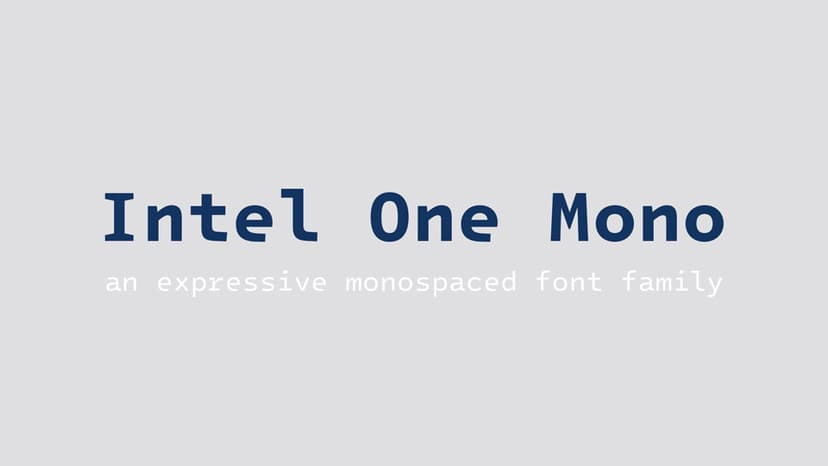
Typography is no longer perceived merely as a visual addition to digital products. Increasingly, it affects website performance, user experience, and the overall perception of a brand. This is precisely why variable fonts have become a much more discussed topic in recent years, as they are changing the way typography is used in digital environments.
Until recently, fonts were viewed primarily as an aesthetic matter. Today, much broader aspects are being considered. Website loading speed, brand consistency across devices, and the efficiency of design system management are now closely monitored. Variable fonts are becoming highly relevant in all of these areas.
Their growing popularity is not accidental. More flexible solutions are increasingly being sought — solutions capable of functioning within extensive digital ecosystems without unnecessary compromises between design quality and technical performance.
What are variable fonts and why are they receiving so much attention
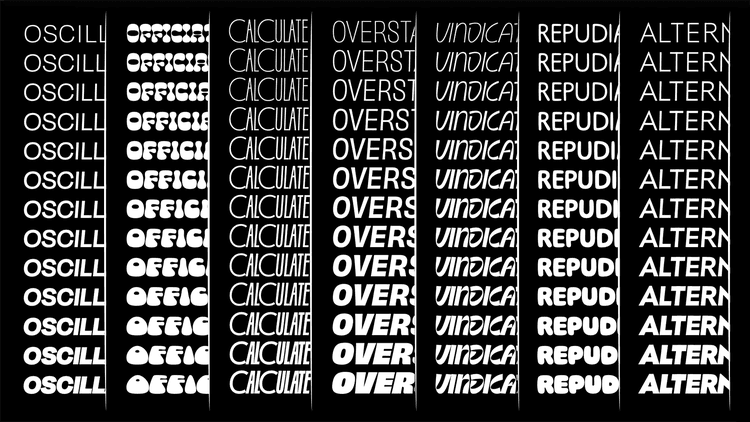
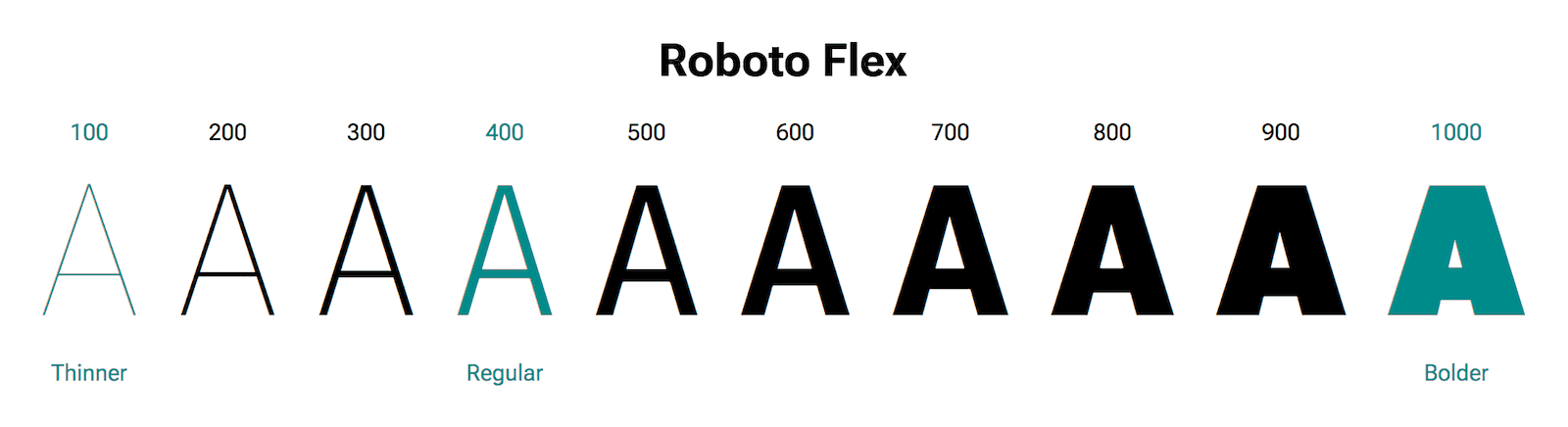
A variable font works as a single file containing multiple font variations simultaneously. Instead of using separate font files such as Light, Regular, or Bold, variable fonts allow smooth adjustments of weight, width, and additional parameters within a single font file.
The difference compared to traditional static fonts becomes especially noticeable in digital interfaces. While larger numbers of separate font files previously had to be loaded, variable fonts simplify this process significantly. As a result, typography can adapt more naturally to different screen sizes and specific situations.
Google Fonts began supporting variable fonts more extensively several years ago, and today they are appearing in an increasing number of modern digital products. Adobe has moved in a similar direction by integrating variable font functionality directly into its design tools. This has made their use considerably more accessible even for everyday designers.
The difference is often noticeable very quickly. Typography feels smoother, more responsive, and less mechanical. This shift is particularly visible on mobile devices.
Source: Adobe Blog
Website speed is becoming more important than perfect control
Only a few years ago, a sophisticated typographic system usually meant a larger number of loaded font files and therefore a slower website. Companies were often forced to choose between visual quality and performance.
Today, this compromise no longer needs to be addressed to the same extent.
Variable fonts can often replace multiple separate font styles with a single file, reducing both data size and the number of HTTP requests. The result is typically faster page loading and smoother content rendering.
This can be clearly observed in modern digital products developed by companies such as Google and Microsoft, where typography is becoming a far more adaptive part of the interface. Typography no longer functions as a static element. Instead, it adapts to space, device type, and usage context.
This is where one of the greatest strengths of variable fonts becomes apparent. The topic is no longer limited to aesthetics alone, but increasingly involves the connection between design, technology, and user comfort.
Brands require more flexible typography
Branding operates in a completely different environment today than it did ten years ago. A brand must perform well on mobile devices, within applications, across social media platforms, and in large presentation formats. For this reason, visual consistency can no longer rely solely on rigid rules.
Overly controlled branding is beginning to feel unnatural in digital environments. Variable fonts therefore provide greater flexibility without sacrificing consistency.
This can be observed in brands such as Spotify, Apple, and Airbnb, which now use typography far more dynamically than in the past. Typography adapts to available space and device types while still maintaining the recognizable character of the brand. The result is communication that feels more natural while remaining professional.
Consistency today no longer means absolute immutability. A consistent brand must be capable of adapting to different situations while maintaining recognizability.
Variable fonts support this significantly.
Source: web.dev
Managing design systems is becoming easier
As the number of digital channels grows, the complexity of managing design assets increases as well. Companies frequently work with large numbers of fonts, licenses, and exports intended for both internal and external teams. At a certain point, this process can easily become chaotic.
This is where centralization becomes increasingly important.
BrandCloud enables the management of fonts, design assets, and brand manuals from a single location, significantly simplifying collaboration between designers, marketing teams, and external partners. When variable fonts are used across multiple channels, organized version management and asset sharing become far more important parts of daily operations.
In many cases, problems do not arise during the initial design phase, but rather during practical usage. Agencies may work with different font versions than internal teams, developers may use outdated exports, and marketing teams may create materials using inconsistent font styles. The result is often inconsistent communication that unnecessarily weakens the brand.
Variable fonts are changing the work of designers as well
The change does not concern only the technical operation of websites. The work of designers and the process of creating digital interfaces are also being transformed.
Previously, designers usually selected several fixed font styles, after which typographic work was largely completed. Variable fonts now allow far more detailed work with content hierarchy and the adaptation of interface elements to specific situations.
Adobe Fonts, for example, enables interactive adjustment of individual variable font parameters directly within the application. Designers no longer need to switch between predefined styles but can instead create precisely the version required for a particular use case.
As a result, interfaces feel more natural and less rigid. Typography adapts more effectively to both content and users.
This level of flexibility is increasingly expected from modern digital products.

Source: Monotype
How to use variable fonts effectively
Transitioning to variable fonts does not necessarily require a complete redesign of an entire brand. In most cases, gradual implementation makes more sense, especially within digital products and larger design systems.
A good starting point is analyzing the existing typographic system and identifying where the greatest complications occur. These often include an excessive number of font files, inconsistent use of font styles, or complicated management across teams.
It is generally recommended to focus primarily on several areas:
- unifying typography across digital channels
- optimizing website performance
- establishing clear rules for typography within the design system
- centralizing asset and version management
- testing compatibility across multiple devices
On the other hand, overly experimental use of variable parameters may harm the brand rather than strengthen it. The fact that typography can be adjusted almost continuously does not mean every change should be visible.
The strongest digital design today tends to be the one that does not attempt to visibly showcase its technological complexity.