Typography is one of the basic building blocks of visual communication. Fonts influence the readability of text, the rhythm of a page, and the overall impression of the content. Yet when reading a website, viewing an application, or working with documents, many people do not think about the fact that behind every font there is a long design process.
New fonts are constantly being created. Every year, typography studios and designers introduce new typeface families that respond to technological developments, changes in graphic design, and the needs of brands. Contemporary typography often combines historical inspiration with digital technologies, broader language support, and variable font structures. Typography is thus gradually becoming a tool for strategic communication.
Who designs new fonts
Fonts are designed by typographic designers, known as type designers. These are experts specializing in font creation, combining graphic design, knowledge of typographic history, and the technical skills needed to create digital fonts.
Some fonts are created as original projects by typography studios. Such studios design entire typography families intended for graphic design, web interfaces, or publications. Other fonts are created on commission for specific organizations or media projects. In these cases, typography becomes part of a broader visual identity design.
Font design involves much more than just drawing individual letters. The designer creates a complete character system that includes letters, numbers, punctuation, and language variants. Part of the work involves setting the proportions of the font, the optical distances between characters, and legibility at different text sizes.
How a new font is created
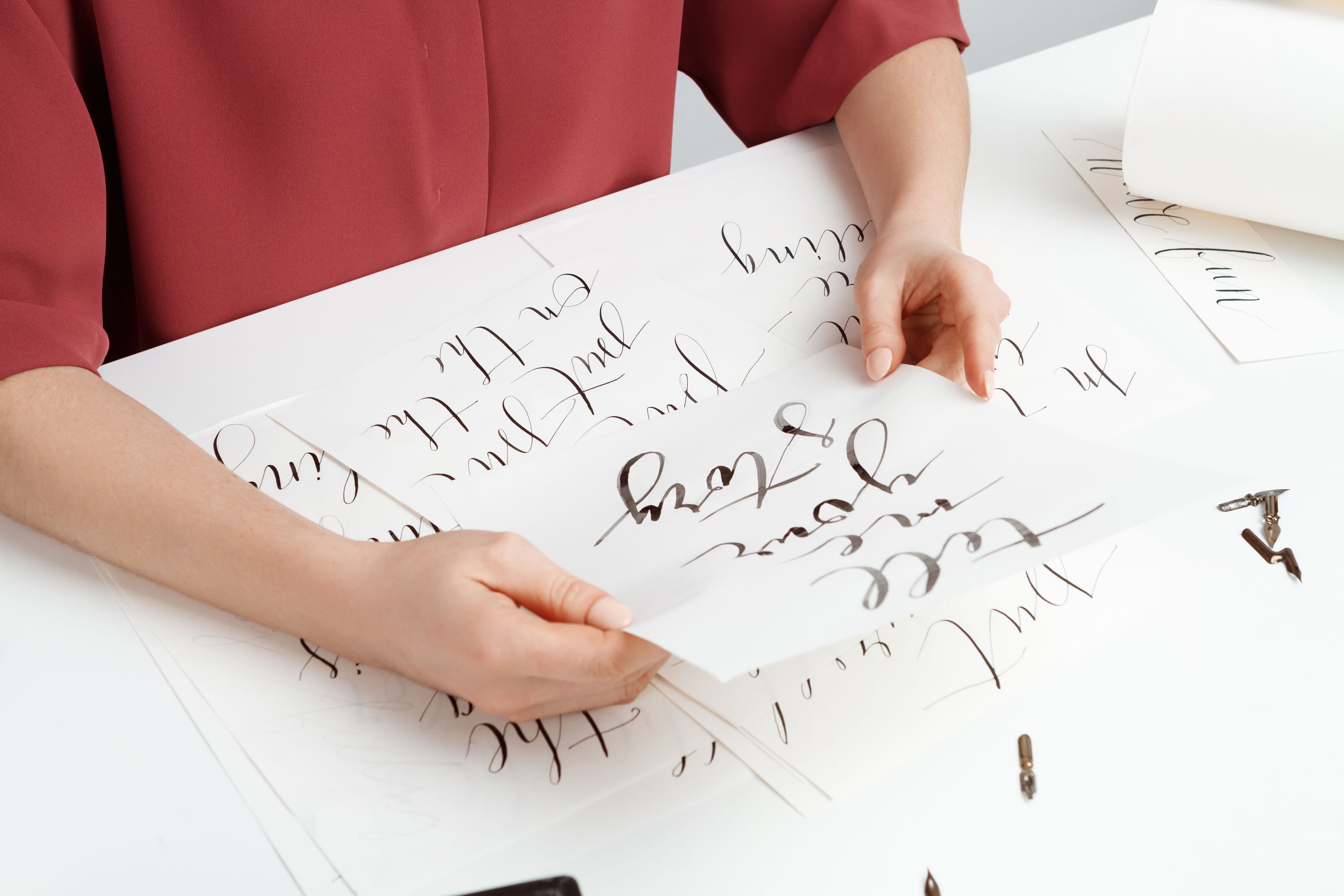
The font design process usually begins with defining the basic style. Typographers often start by working with a few characters, setting the font proportions, stroke contrast, and character endings.
This phase is followed by digital modeling of characters in specialized typographic tools. The designer gradually completes the entire alphabet and adjusts its proportions so that the text appears balanced in various combinations.
A large part of the work also involves kerning, i.e., the optical balancing of the distances between individual characters. Some letter pairs require individual adjustments to make the text appear natural and legible.
In addition, contemporary typography works with technologies that allow for greater flexibility. These include, for example, variable fonts, where the properties of the font, such as the thickness or width of characters, can be changed smoothly within a single file. This approach is practical in a digital environment, where typography adapts to different screen sizes.
What influences the appearance of modern fonts
The appearance of new fonts is the result of a combination of technological, cultural, and design influences. Typography responds to the environment in which the font will be used, but also to the style of contemporary graphic design.
The digital environment has a major influence. Fonts used on the web or in applications must be legible on different displays and at different text sizes. Typographers therefore often adjust the proportions of characters, stroke contrast, or letter spacing so that the text remains clear even on smaller screens.
Another factor is linguistic diversity. Modern fonts often support a large number of languages and include extensive character sets. This means that typographers must design not only the basic Latin alphabet, but also diacritics, special characters, and other writing systems.
At the same time, aesthetic trends in graphic design are also changing. Some fonts respond to the minimalist style of digital products, while others return to more pronounced contrasts or draw inspiration from historical printing techniques.
Examples of current typographic projects
An overview of new typographies shows how diverse today's fonts can be and what goals they pursue.
For example, the Aeonik Soft font was created as an extension of the original geometric Aeonik font. The shapes of the characters have been modified with gently rounded stroke ends, which visually softens the font and expands its use in editorial texts or digital interfaces.
Source: CoType Foundry
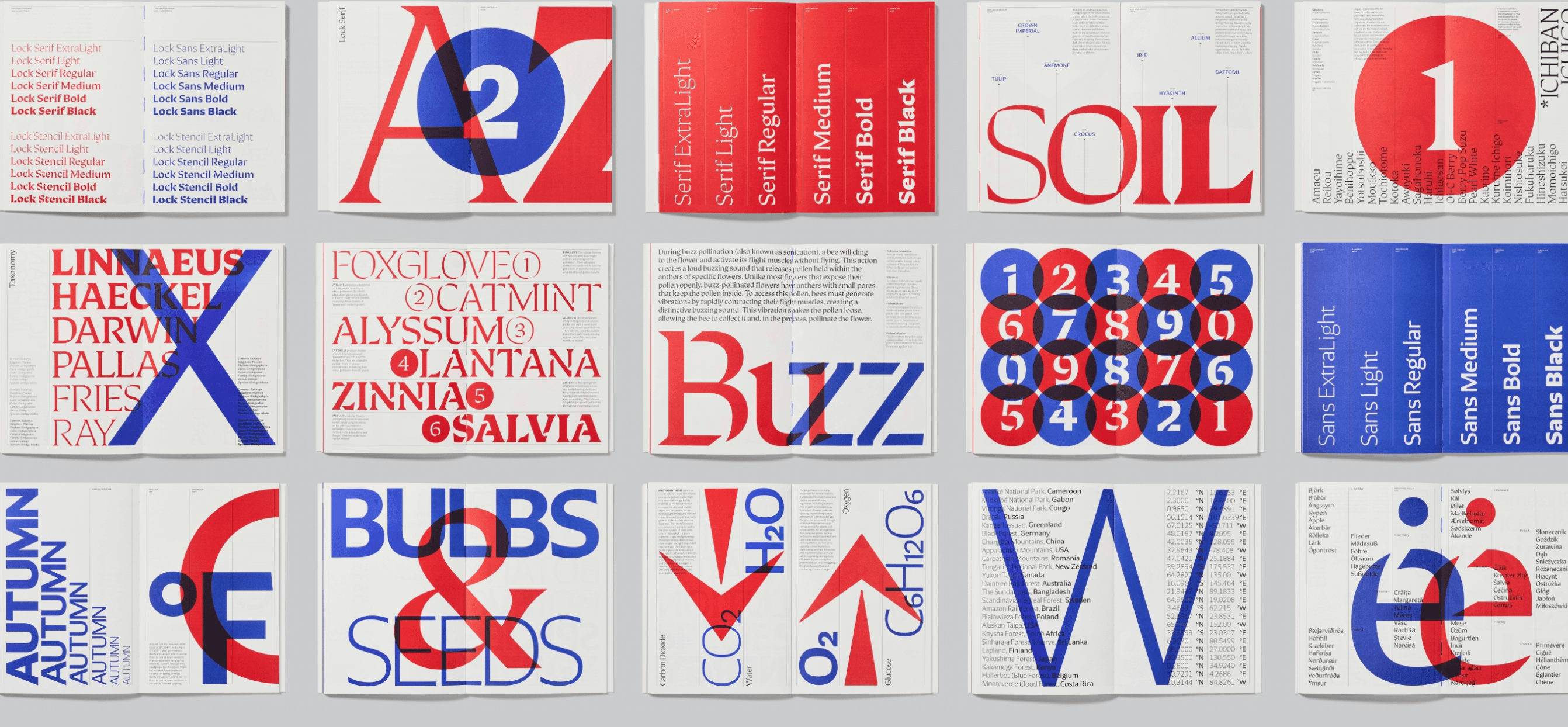
The 29LT Azahar typeface is a family designed as a multiscript font. It combines Latin, Cyrillic, and Arabic scripts in a unified style. This approach allows brands to communicate consistently across different linguistic environments.
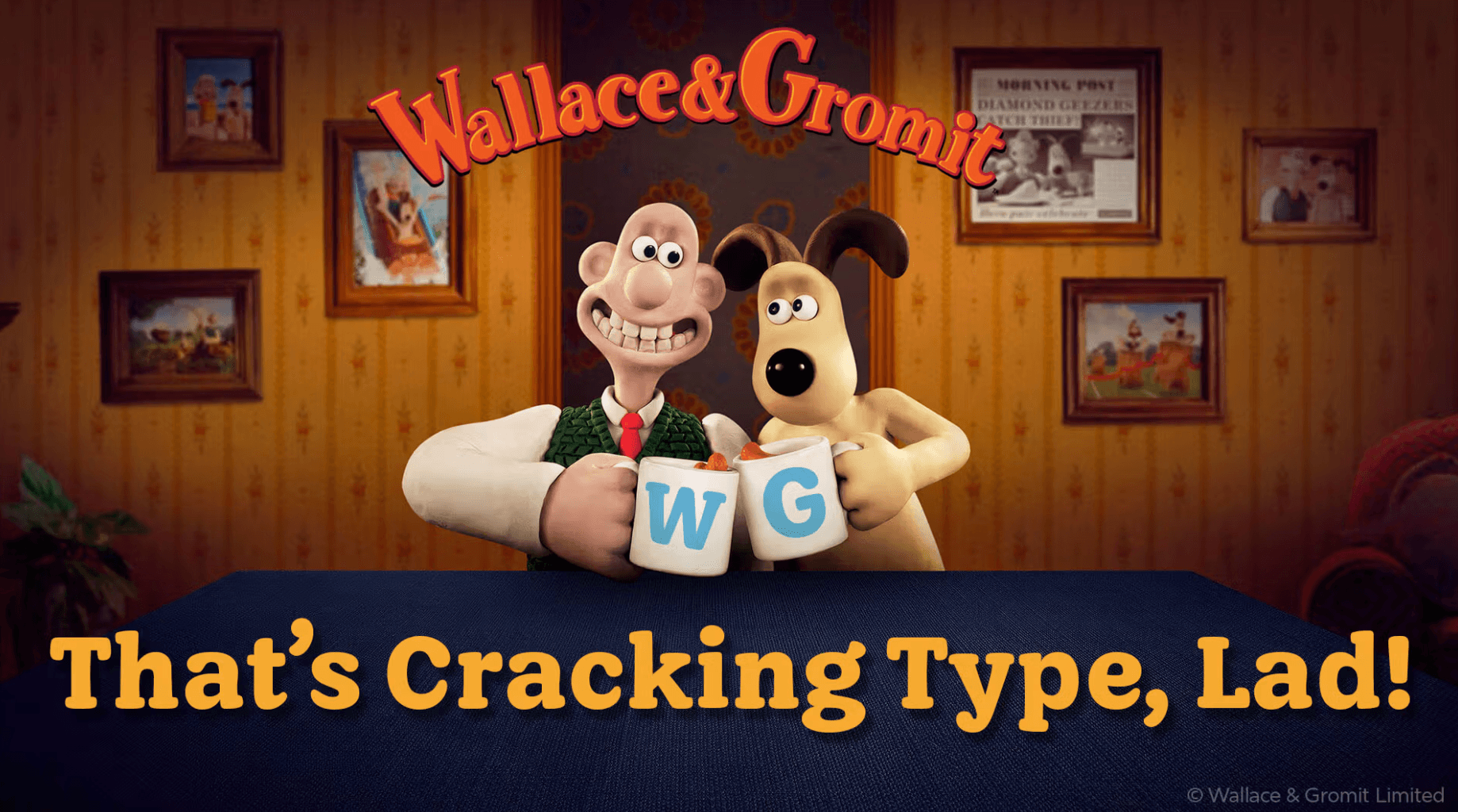
The WG Buttered Crumpet font was created for the British animation studio Aardman. The typeface is inspired by the classic Cooper Black font, but its serifs and proportions have been modified to support the playful character of the brand.
Source: JamieClarkType
The YJ Knotted Ink font, on the other hand, works with hand-drawn ink textures and irregular character shapes. This style is used, for example, in product packaging or in communications by smaller brands that want to emphasize their distinctive visual character.
These projects show that typography can respond to very different types of communication—from system fonts for digital products to distinctive fonts designed for visual identity.
How fonts influence brand perception
Fonts are not just a tool for writing text. Typography also influences the way people perceive the brand or organization that uses the text.
Different font styles create different visual impressions. Serif fonts are often associated with tradition and a more formal style of communication. Sans-serif fonts appear more modern and are often used in technological products or digital services.
The choice of typography helps define the character of communication. A well-chosen font supports the readability of the text and at the same time creates visual continuity across different communication channels.
For this reason, some organizations use their own typography designed specifically for their identity. Such a font can be tailored to the specific needs of the brand and work in marketing materials, on the web, and in the user interface of digital products.
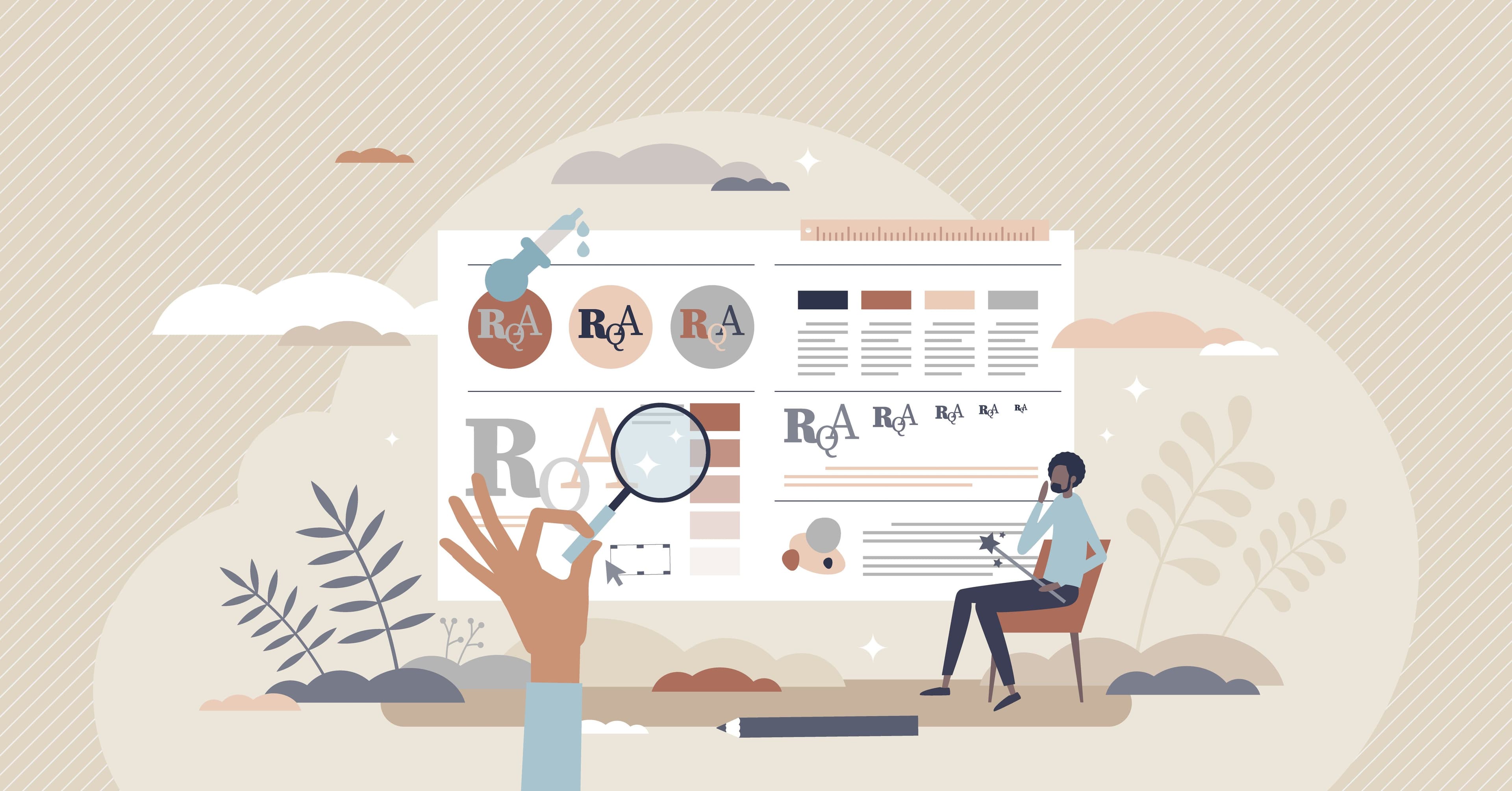
Font management as part of brand management
Once an organization starts working with multiple fonts or typefaces, there is a need for systematic management. In practice, it is easy for different teams to start using different versions of a font or incorrect typographic combinations.
In the Brandcloud environment, fonts, their licenses, typographic rules, and graphic manuals can be stored in one place. Teams have access to the latest font files and can use them to create presentations, marketing materials, or digital projects.
Brandcloud also allows you to manage versions of digital materials and distribute them across the organization. This ensures that typography remains consistent even when multiple teams or external partners are working on communications.
Why typography is approached systematically
Current typography projects show that fonts today are created with specific communication needs in mind. Some typefaces are designed for global language support, others expand existing typeface families or respond to the character of a brand.
At the same time, the environment in which fonts are used is changing. Fonts must work in digital interfaces, on different devices, and in different languages. Typographic design therefore includes text legibility, character proportions, language support, and technical font properties.
For organizations, this means that typography is an important part of visual identity. Fonts influence the way content is read, the rhythm of communication, and the overall character of a brand.
When fonts, typographic rules, and other visual materials are clearly managed and accessible across teams, it is much easier to maintain a consistent communication style across all channels. Typography thus becomes a stable element of the design system that supports long-term brand consistency.