The way brands work with logos has changed significantly in recent years. A logo is no longer a single fixed mark used in exactly the same way every time. Instead, it becomes a flexible system that responds to the environment in which it appears. It can take one form on a website, another in a mobile app, and yet another in small icons where space is highly limited.
This shift has led to the rise of adaptive logos. This approach allows a brand to maintain its visual identity even when the logo needs to be simplified or adjusted. Rather than one final version, a logo becomes a set of variations that together form a cohesive and well-structured system.
What is an adaptive logo
An adaptive logo can be understood as a carefully designed system of multiple versions of a single brand, created for different sizes and contexts. It is not just about scaling the original design down, but about intentionally adjusting its structure so it remains legible and recognizable even in limited space.
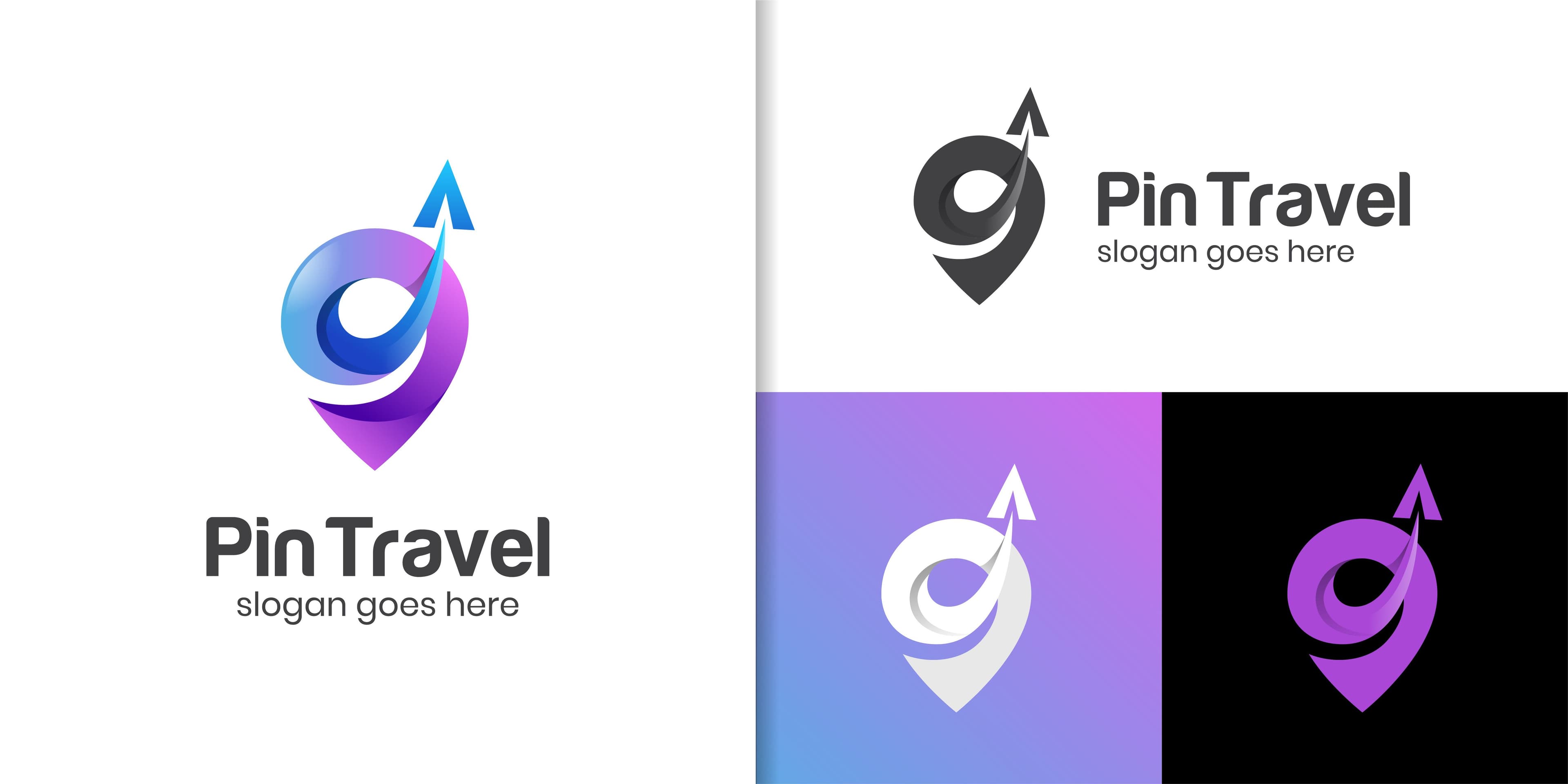
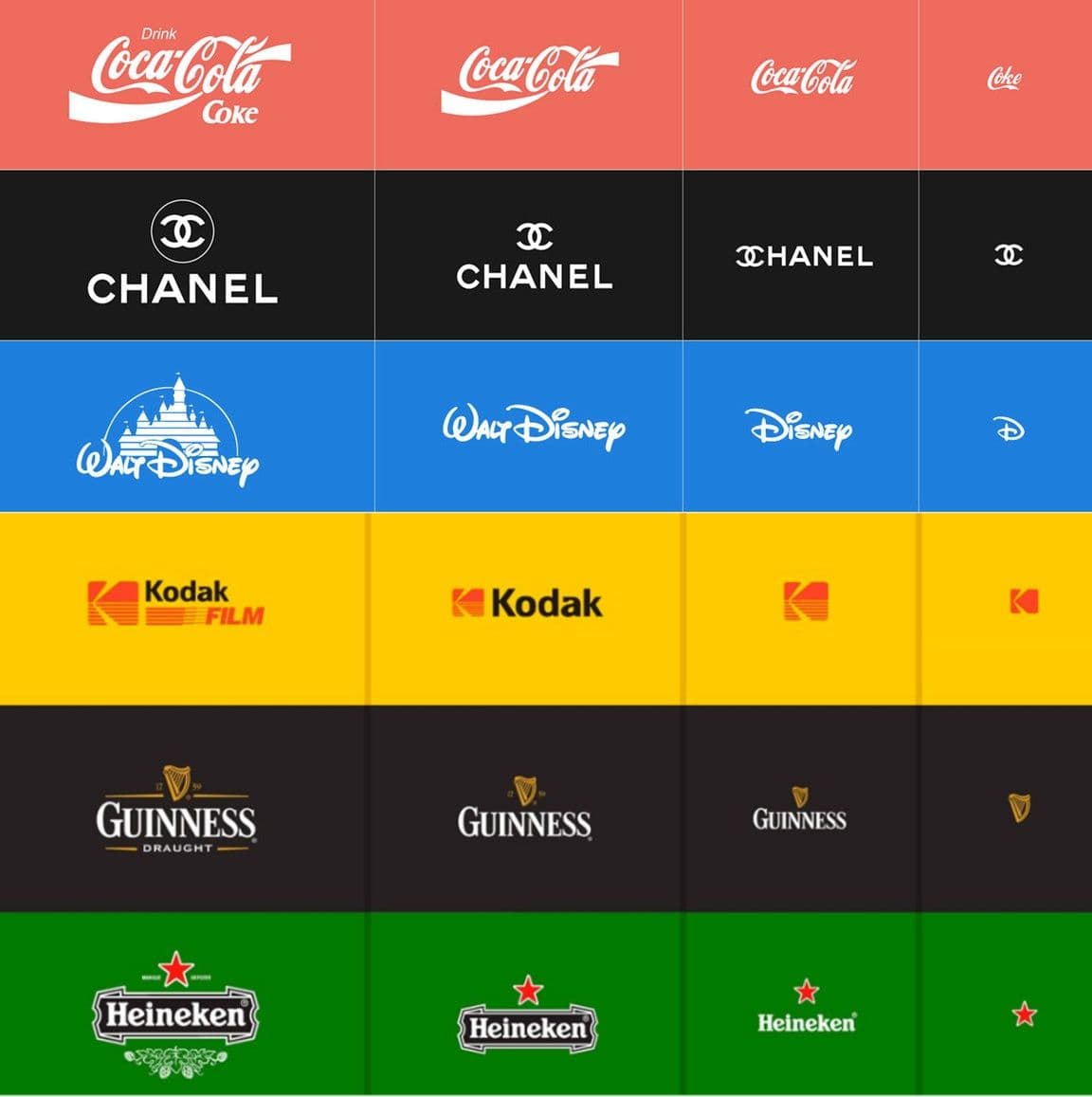
The primary version typically includes the full logo with both name and symbol. As available space decreases, individual elements are gradually reduced, leaving only the most distinctive features of the brand. In some cases, this results in a very simple mark that still clearly relates to the original logo. The goal is to maintain visual consistency across all situations in which the brand appears.
Why adaptive logos emerged
The main reason lies in the transformation of the digital environment in which brands operate. Content is now displayed across a wide range of devices with different sizes and resolutions. A logo must be able to adapt to these conditions without losing clarity or recognition.
At the same time, the way people consume content is changing. Quick interactions, frequent switching between apps, and limited screen space increase the demand for simplicity and clarity. Adaptive logos allow brands to respond to these conditions while maintaining a consistent visual identity in an environment that is constantly evolving and technically demanding.
How adaptive logos work in digital environments
An adaptive logo is designed as a system in which each variation has a clearly defined role. These are not random adjustments, but part of a structured approach that determines how the logo changes depending on size or context. This allows brands to maintain control over how they are presented across different channels.
Typically, several levels are defined, each with a different degree of detail
- a full version including both name and symbol
- a simplified version with fewer elements
- a minimal version designed for very small formats
Such a system replaces the earlier approach where brands relied on only a few fixed logo versions. In an environment where logos appear in many formats and sizes, a single version is often not sufficient. The adaptive approach makes it possible to respond to specific situations, whether it is a small interface, a digital application, or broader brand communication.
It is important that these variations are not created randomly. They are based on a shared visual foundation, ensuring that the brand remains recognizable even when significantly simplified. This allows the logo to adapt to its environment without losing its identity.
Adaptive logos and brand management
As the number of logo variations increases, so does the need for systematic management. Each version has a specific purpose, and it is important that it is available in the correct format and quality. Without a clear system, inconsistencies can arise, weakening the brand’s visual identity.
BrandCloud makes it possible to organize all logo variations in one place and ensure they are clearly structured. Teams can easily access the correct assets for specific situations and work with the visual identity consistently. This becomes especially important when a brand communicates across multiple channels and involves different teams in content creation.
When one logo is not enough
Adaptive logos clearly show that a single fixed version is often no longer sufficient. Brands operate across a wide range of formats and sizes, and if they aim to remain visually consistent, this must be considered from the very beginning of the design process. It is no longer enough to create a visually appealing logo. It is necessary to think about how it will function in different situations and how it will adapt to varying constraints.
This also changes the day-to-day work with logos. Instead of relying on one final version, brands work with a system of variations that needs to be managed carefully. When these variations are well designed and used correctly, a brand can maintain a clear and stable visual identity even in constantly changing conditions.