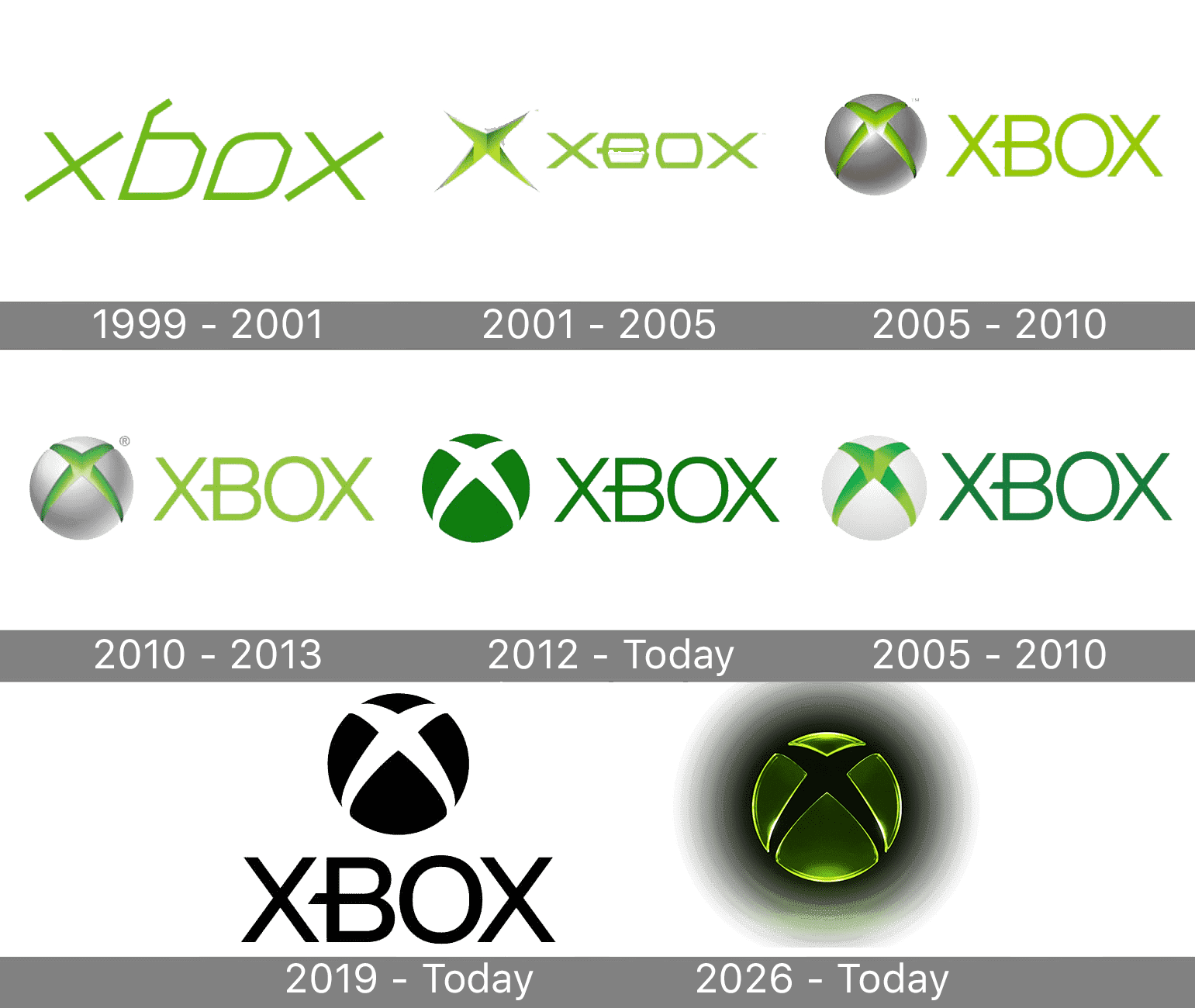
When Microsoft introduced the new Xbox logo, a large part of the public barely noticed the change. And today, that is often intentional for major brands. Modern redesigns are no longer created to shock audiences or completely redefine a brand identity. Instead, gradual simplification, improved readability, and better functionality in digital environments are being prioritized.
The new Xbox logo clearly demonstrates the direction modern branding is taking. The focus is no longer placed on complexity or decorative elements. Instead, versatility, usability, and consistency across platforms are preferred. Today, a logo must function effectively in apps, launchers, social media environments, and across different screen sizes.
That is exactly why the new Xbox logo feels simpler than before. At the same time, it feels more distinctive.
The New Xbox Logo Feels Cleaner and More Stable
The Xbox visual identity has been adjusted to appear more compact and better aligned with today’s digital environment. The typography has been simplified, proportions refined, and unnecessary details reduced. As a result, the logo now feels stronger, more modern, and significantly more effective within digital interfaces.
This approach is far from unusual in contemporary branding. Logos are increasingly being designed with digital usability in mind. Overly complicated identities lose readability in smaller formats and struggle to function in responsive or motion-based environments.
Source: 1000 Logos
Modern logos are now primarily designed with an emphasis on:
- clear readability
- functionality in mobile applications
- consistency across platforms
- easy integration into animation and UI systems
- long-term visual sustainability
In Xbox’s case, the core brand identity has been preserved, but the overall system now feels more mature and stable. As a result, the brand appears more consistent across digital channels and better suited to the current way digital products are consumed.
In situations like this, proper management of digital assets and visual identity versions also becomes increasingly important. BrandCloud makes it possible to organize logos, graphic assets, and brand manuals in one place, which becomes especially valuable during rebrands or gradual brand updates.
At the same time, greater attention is now being paid to maintaining consistent communication across teams and external partners. Redesigns often generate multiple logo versions, outdated materials, or inconsistent outputs. Centralized brand asset management therefore helps maintain a unified identity even during larger visual changes.
Minimalism Has Become the Dominant Direction in Modern Branding
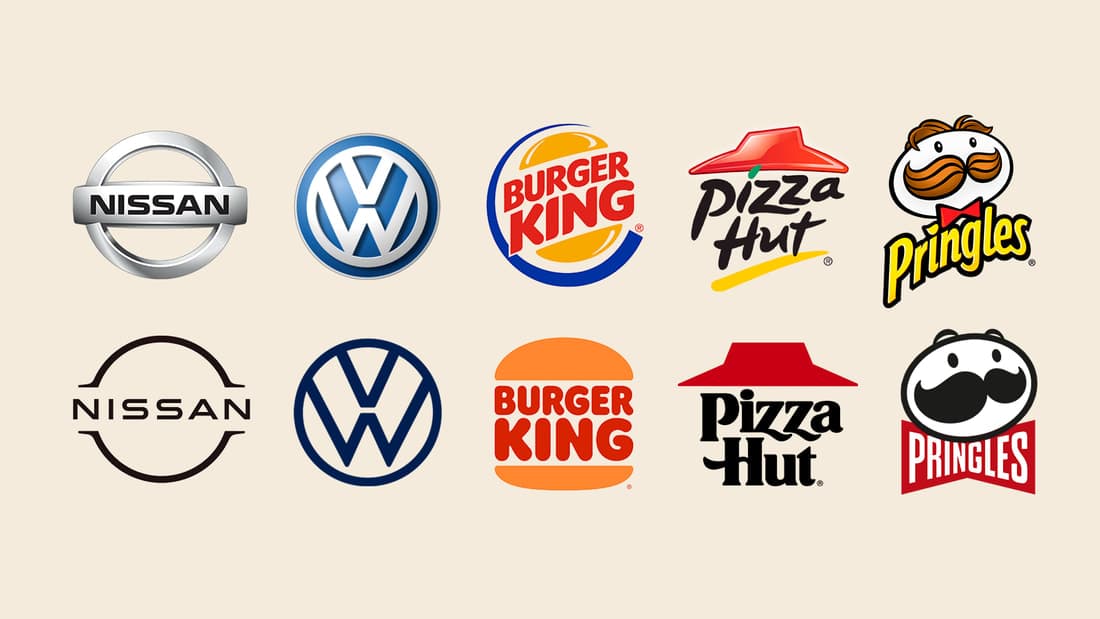
Over the past several years, significant simplification of visual identities has been seen across multiple industries. Logos, typography systems, and entire design systems have been redesigned to improve flexibility and digital usability.
Minimalist branding now allows for easier work with animation, responsive environments, and consistency across devices. At the same time, minimalist identities are often more memorable and place less visual pressure on brand communication.
As a result, complicated visual elements are being abandoned by technology companies, fashion brands, streaming platforms, and automotive manufacturers alike. Excessively controlled branding often feels artificial and sterile. Today’s audiences increasingly expect more authentic and flexible communication.
At the same time, simplification does not mean losing brand identity. On the contrary. Strong brands are often capable of functioning with a very limited number of visual elements.
Source: Portland Logo Design
Why Modern Redesigns Feel Less Dramatic
Only a few years ago, major redesigns were often built around dramatic visual transformation. Today, a more careful approach is usually preferred. Brand continuity is maintained while adjustments are introduced to improve performance in digital environments.
Typography, spacing, proportions, and iconography are frequently refined. At first glance, these changes may appear subtle, but from a usability perspective, they can have a major impact.
This approach is increasingly common among brands that operate across large numbers of digital touchpoints. Every visual change affects applications, marketing materials, interfaces, and internal systems.
Because of that, long-term functionality now matters more than short-term visual impact.
The new Xbox logo demonstrates how branding is moving toward greater simplicity and functionality. The emphasis is no longer placed on visual effects or excessive detail. Stability, readability, and scalability across digital environments are now being prioritized.