
Artificial intelligence is gradually transforming the way brand visual communication is created. Typography, which has long been rooted in experience, attention to detail, and manual craftsmanship, is now entering an environment shaped by data, algorithms, and automated processes. This shift is not only reflected in faster workflows, but also in a fundamental change in how typography itself is perceived.
For brands, typography plays a crucial role. It influences readability, credibility, and the overall tone of communication. For this reason, it is important to understand how artificial intelligence is entering the field and what opportunities as well as limitations it brings.
Automation and its limits in typography
With the rise of AI, the question arises whether typography can be largely automated. Today, algorithms are capable of generating typeface designs, adjusting proportions, or creating variations for different formats and devices.
However, typography remains an area where human decision-making cannot be fully replaced. Type does not carry only visual form, but also meaning, cultural context, and emotional impact. Even subtle changes in shape or rhythm can significantly influence how a message is perceived.
Artificial intelligence therefore primarily acts as a tool that expands creative possibilities. It helps process large volumes of variations and speeds up navigation among them, but the final decision still requires sensitivity and a deep understanding of brand identity.
How Monotype uses artificial intelligence in typography
An interesting shift in this area can be seen in the approach of Monotype, which has long managed extensive font libraries and contributed to the development of typographic tools. This is where solutions are emerging that demonstrate how AI can be applied in a practical and meaningful way.
One example is a new AI-powered font discovery system that responds to a long-standing challenge designers face: searching for the right typeface can be time-consuming and distracting from the creative process. Traditional filtering by categories often does not reflect how designers think about visual style.
The new approach allows users to describe the desired typographic character using natural language—for example, through expressions that capture the mood or personality of a brand. The system then interprets the meaning behind these inputs and suggests relevant options. Typeface selection thus shifts from a technical task toward a more intuitive decision-making process.
This method also helps maintain focus on the creative aspect of design. Instead of browsing extensive databases, designers can concentrate on how typography communicates and fits within the overall brand expression. AI acts as a supportive tool that simplifies orientation and accelerates workflows without replacing decision-making itself.
Source: Monotype.com
Personalization and variable typography
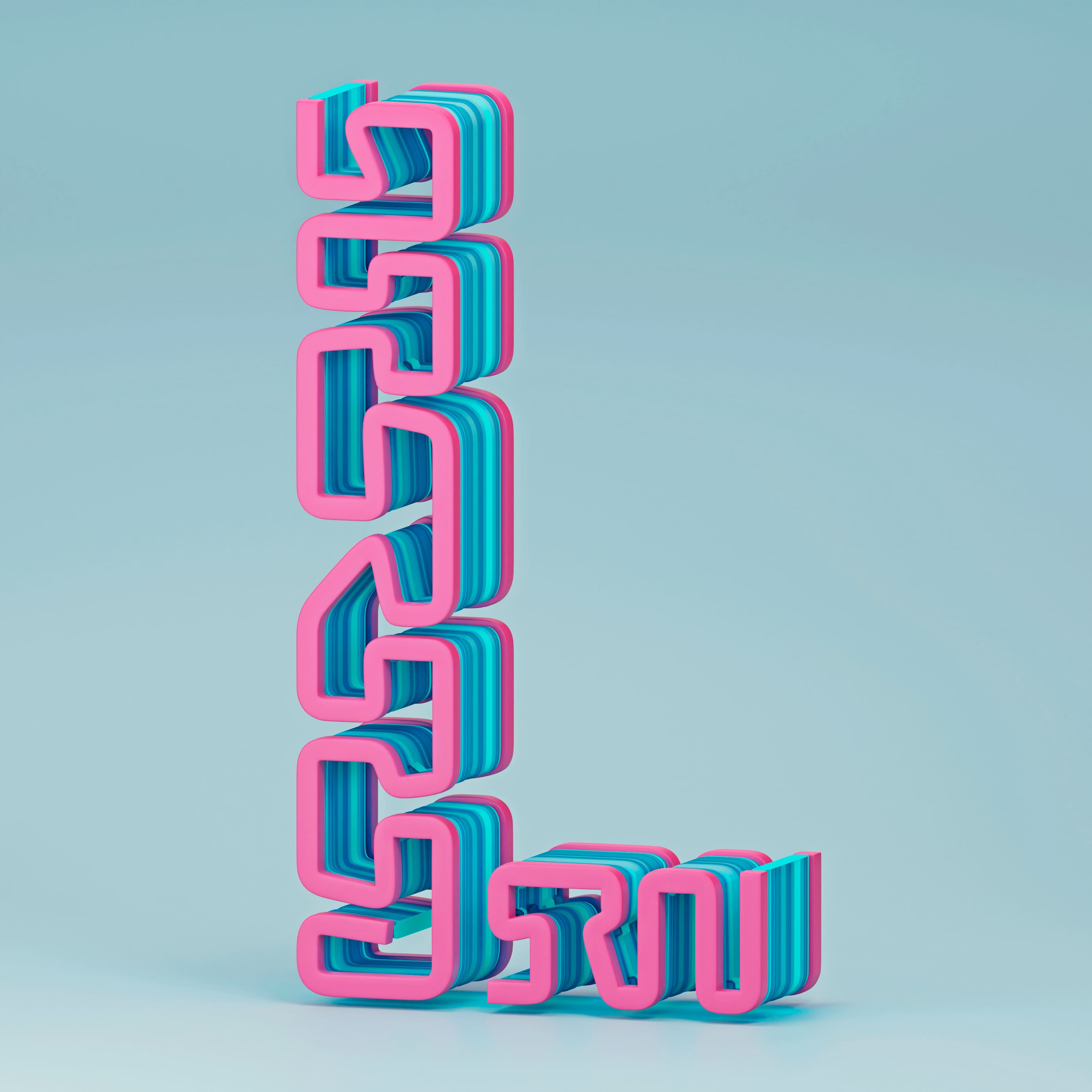
One of the most significant developments enabled by artificial intelligence is the ability to personalize typography. Type no longer has to be fixed—it can adapt to specific situations, media, or users.
Typography can respond to factors such as screen size, usage context, or communication goals. In practice, this means that a brand can maintain a consistent visual style while still adjusting it flexibly to current needs.
This approach shifts branding toward more dynamic systems that are not based on a single static form, but on thoughtful variability.
Typography as part of a broader brand ecosystem
In a digital environment, typography does not exist in isolation. It is part of a broader system that includes content management, visual identity, and consistency across channels.
In practice, tools that enable systematic typography management are becoming increasingly common. BrandCloud can serve as an example of a solution that helps organize visual content, maintain consistency, and ensure that typography aligns with brand identity across all outputs.
Such an approach makes it possible to work efficiently with typography at scale while preserving a coherent visual identity.
The direction of typography in the digital environment
The development of artificial intelligence suggests that typography will become increasingly connected with data, automation, and adaptive systems. Designers will have access to tools that allow them to test variations more quickly, better respond to context, and manage large volumes of content more effectively.
At the same time, maintaining a human-centered approach remains essential. Typography is not just a technical discipline, but also a medium through which brands communicate their identity and values.
In practice, a combination of both approaches is emerging. Artificial intelligence brings new possibilities and simplifies processes, while the designer ensures meaning, originality, and sensitivity to detail. It is precisely in this intersection that space emerges for high-quality and sustainable branding.