
The internet was associated with cleanliness, minimalism, and precisely controlled visual styles for many years. Digital products were designed to appear as polished, consistent, and technically refined as possible. Over time, however, it became increasingly apparent that many websites, applications, and brands were starting to look almost identical.
It was within this environment that anti-design began to gain more visibility. A direction that intentionally disrupts the established rules of modern digital design and works with chaos, visual tension, or aesthetics reminiscent of the early internet. Although it may appear disorganized at first glance, it is usually created with considerable intention and precision.
It is becoming increasingly evident that perfectly controlled visual communication is beginning to lose authenticity. And authenticity is now being sought after in the digital environment far more than sterile perfection.
What Is Anti-Design and Why Did It Emerge
Anti-design is often mistakenly associated with poor-quality or chaotic design. In reality, it represents the deliberate breaking of rules that were considered standard in the digital environment for many years.
Typical characteristics include asymmetrical layouts, overloaded typography, strong contrasts, collages, distortions, or elements inspired by the aesthetics of the early 2000s internet. This visual “imperfection” began to be perceived as a way of disrupting the uniformity of today’s digital space.
Minimalist design was long associated with professionalism and modernity. Over time, however, a situation emerged in which a large number of digital products adopted a very similar visual language. White backgrounds, simple typography, identical content structures, and similar illustrations became almost universal solutions.
The result was increasing brand indistinguishability.
Anti-design therefore started functioning as a form of visual rebellion. Expressiveness, emotion, and individuality were brought back into communication. Visual style stopped being merely technically correct. It became more distinctive and recognizable.
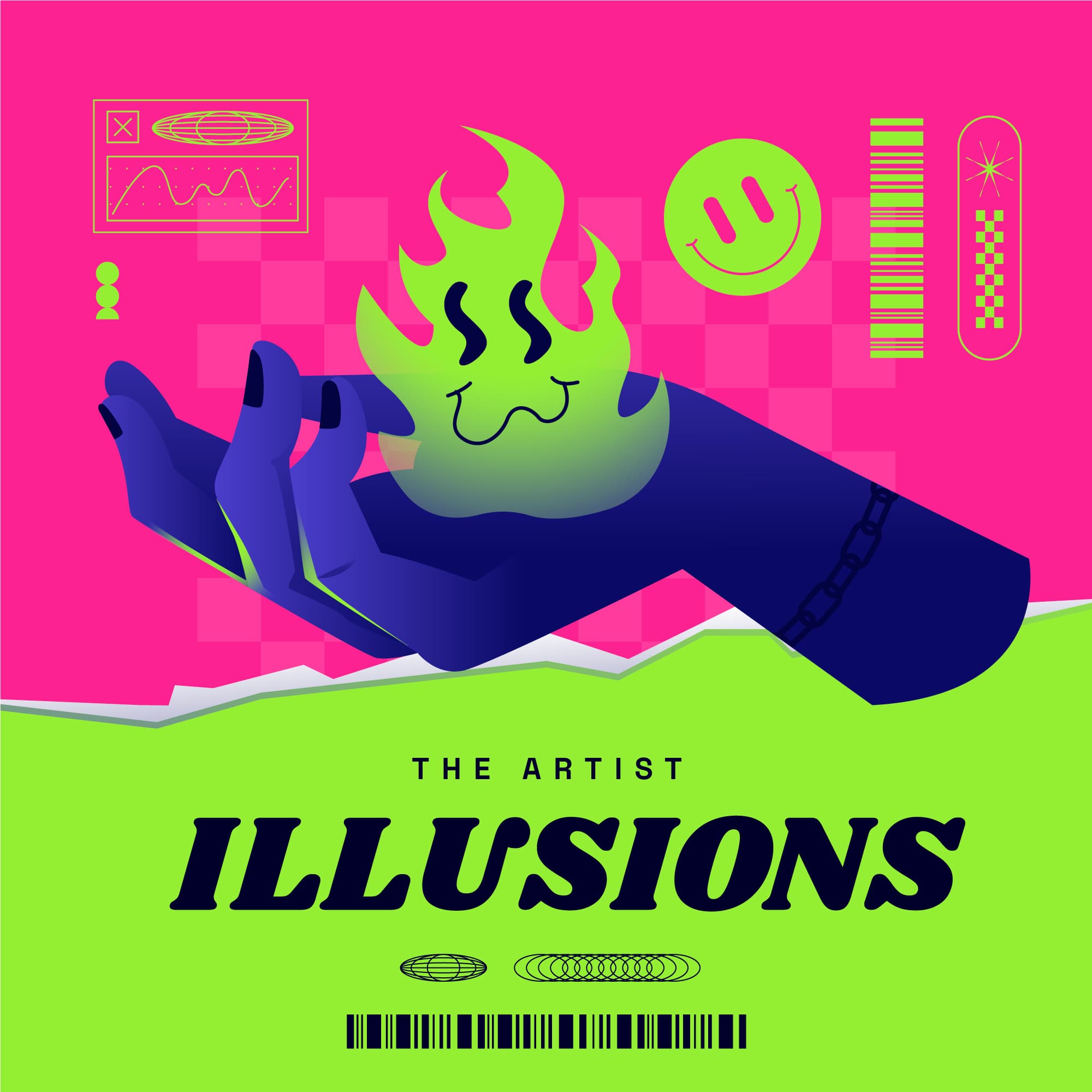
Perfection Is Starting to Hold Brands Back
For a long time, branding was expected to be as consistent as possible. Every element was supposed to be precisely defined, controlled, and unified across all channels. This approach was intended to ensure professionalism and easy brand recognition.
Gradually, however, it became clear that excessively controlled branding could feel impersonal.
Many digital products now look almost identical. The same fonts. The same compositions. The same animations. Even though they are technically well designed, they often lack a stronger sense of character. As a result, the content is quickly forgotten.
This is why experimentation with less polished aesthetics has become more common. Rawer photography, more expressive typography, overloaded layouts, and intentionally unbalanced compositions have been reintroduced into communication. Absolute cleanliness is no longer the primary goal. Attention is being directed toward memorability and emotion.
As a result, the internet is gradually moving away from the period in which nearly every digital product was designed according to the same visual rules.
Anti-Design as a Reaction to AI Aesthetics
With the rise of generative artificial intelligence, an enormous amount of technically perfect content began to emerge. Images appear clean, layouts are precisely balanced, and texts are stylistically polished. Yet this perfection is increasingly perceived as inauthentic.
AI-generated content is often easily recognizable precisely because of its “flawlessness.” It lacks the visual tension, imperfection, or spontaneity naturally associated with human creation.
Anti-design positions itself strongly against this aesthetic.
Instead of cleanliness, chaos is embraced. Instead of perfect composition, tension is introduced. Instead of universal aesthetics, character becomes the priority. This is why distorted typography, rawer visuals, and elements reminiscent of early internet culture are returning to digital communication.
The change is also noticeable on social media. In the past, brands were presented through perfectly unified feeds and carefully prepared campaigns. Today, aesthetics that feel more spontaneous and less controlled are increasingly being adopted.
This does not mean that rules no longer exist. Anti-design is not the absence of strategy. Quite the opposite. For it to function effectively, the impression created by the communication must be managed very precisely.
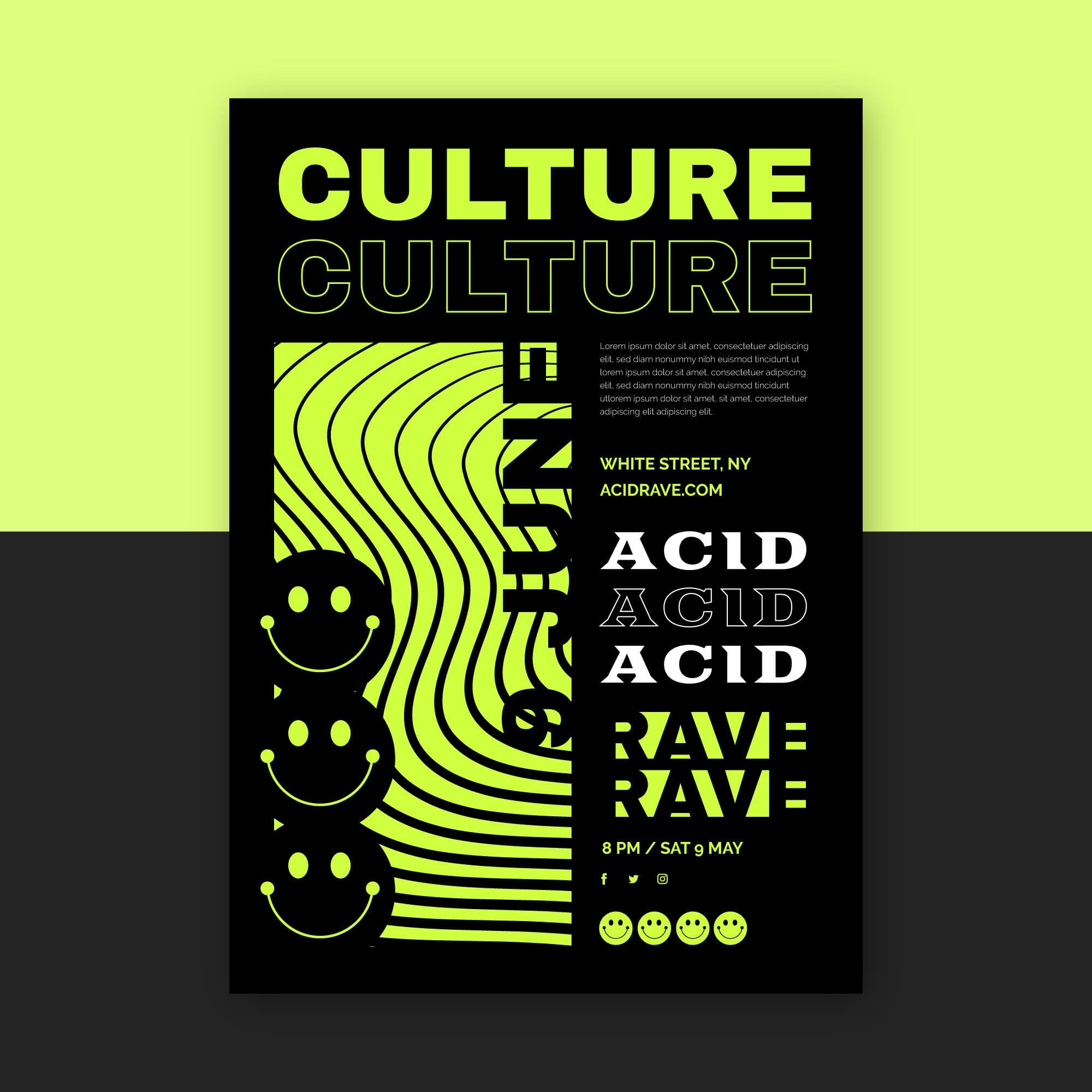
Anti-Design Does Not Mean Chaos Without Control
The biggest misconception associated with anti-design lies in the belief that simply breaking rules automatically creates a strong visual identity. In reality, anti-design tends to be balanced very carefully.
If chaos is left uncontrolled, the result becomes confusing communication and poor usability. Anti-design therefore works primarily where there is a clearly defined reason for disrupting the visual style and a clear understanding of the intended effect.
This is also where proper brand and digital asset management becomes increasingly important. Modern branding is no longer based solely on absolute uniformity. More flexible communication across different channels, formats, and campaigns is becoming more common.
BrandCloud allows brands to organize and manage visual identity even when communication is not built on rigid consistency. Assets, design systems, and creative materials can be shared clearly and consistently without suppressing creativity or authenticity.
And authenticity is becoming increasingly valuable in the digital environment.
For many years, the internet was associated with the belief that good design had to be clean, minimalist, and maximally controlled. Today, however, it is becoming clear that perfection alone is often no longer enough.
Users are surrounded by visually perfect content every single day. Naturally, attention is beginning to shift toward something different. Stronger character, emotion, or a certain degree of imperfection. Anti-design is not a return to amateurism. It is a reaction to a digital environment that has gradually become too homogeneous.