An old record sleeve can be the starting point for a new typography project. That is how the Clippy font came about, building on a typeface from the 1970s and adapting it for contemporary digital design. It retains its retro character while adding possibilities the original design did not offer.
How Kanon Foundry began
Kanon Foundry was founded in 2019 by Tor Weibull and Alexander Örn. The independent studio draws on research, historical references and experimentation when designing typefaces.
This approach also shaped Clippy. Weibull noticed an unusual typeface on the sleeve of The Drifters’ record Kissin’ in the Back Row of the Movies. Its shapes caught his attention, but he also saw room to develop them further.
Clippy builds on a typeface from 1973
The original Paperclip Contour was designed by Ad Werner and released by Mecanorma in 1973. It was an outline typeface with no uppercase letters.
When reworking it, Weibull:
- filled in the outlined shapes,
- added uppercase letters,
- redesigned the numerals,
- refined the curves and some characters for digital use.
The result is Clippy, which expands the original design into a broader typographic system.
For designers, there is a simple idea behind this approach. Drawing on historical references does not have to stop at recreating an old look. It can provide the foundation for a typeface that meets today’s needs.
Source: Kanon Foundry
One font and fifteen styles
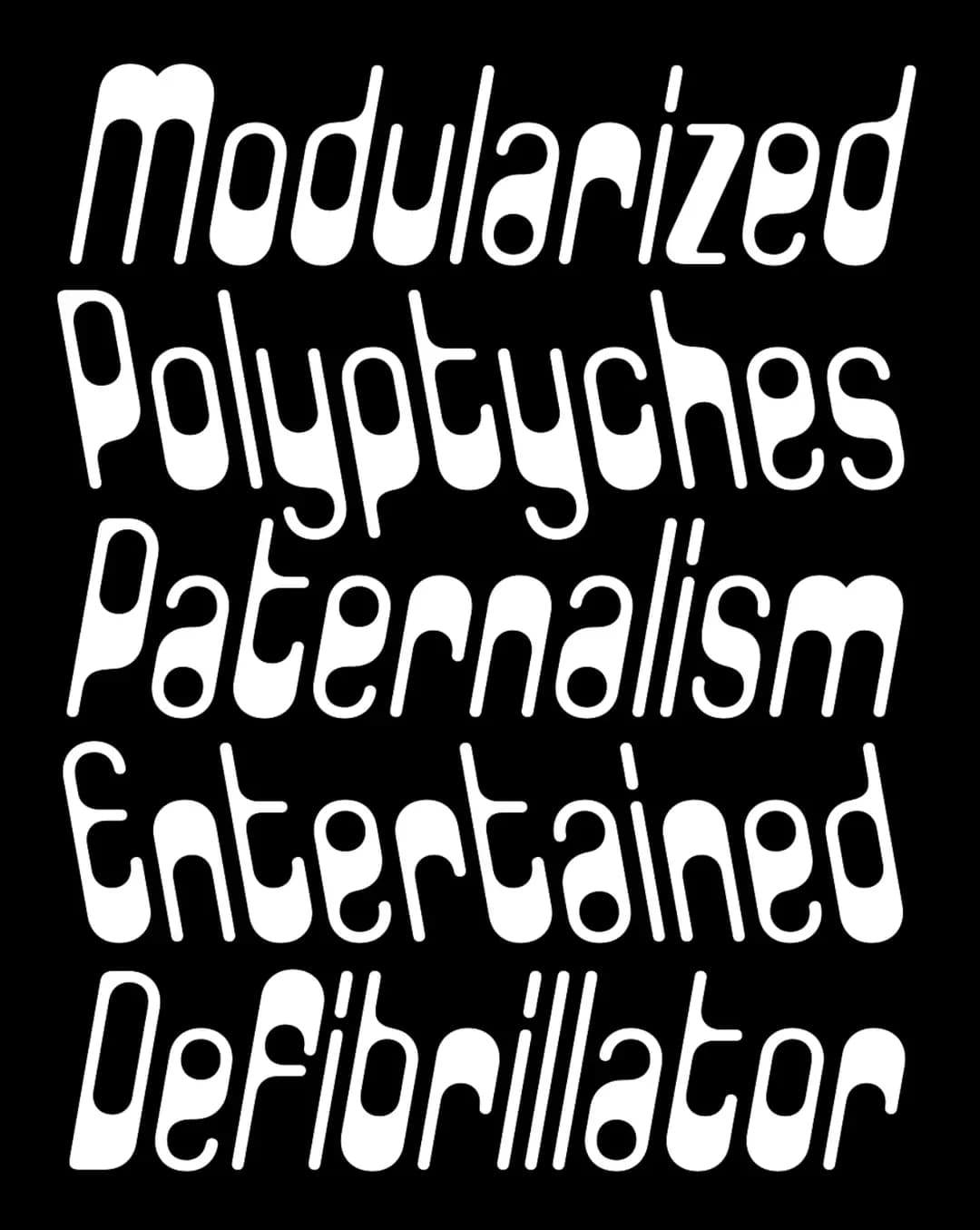
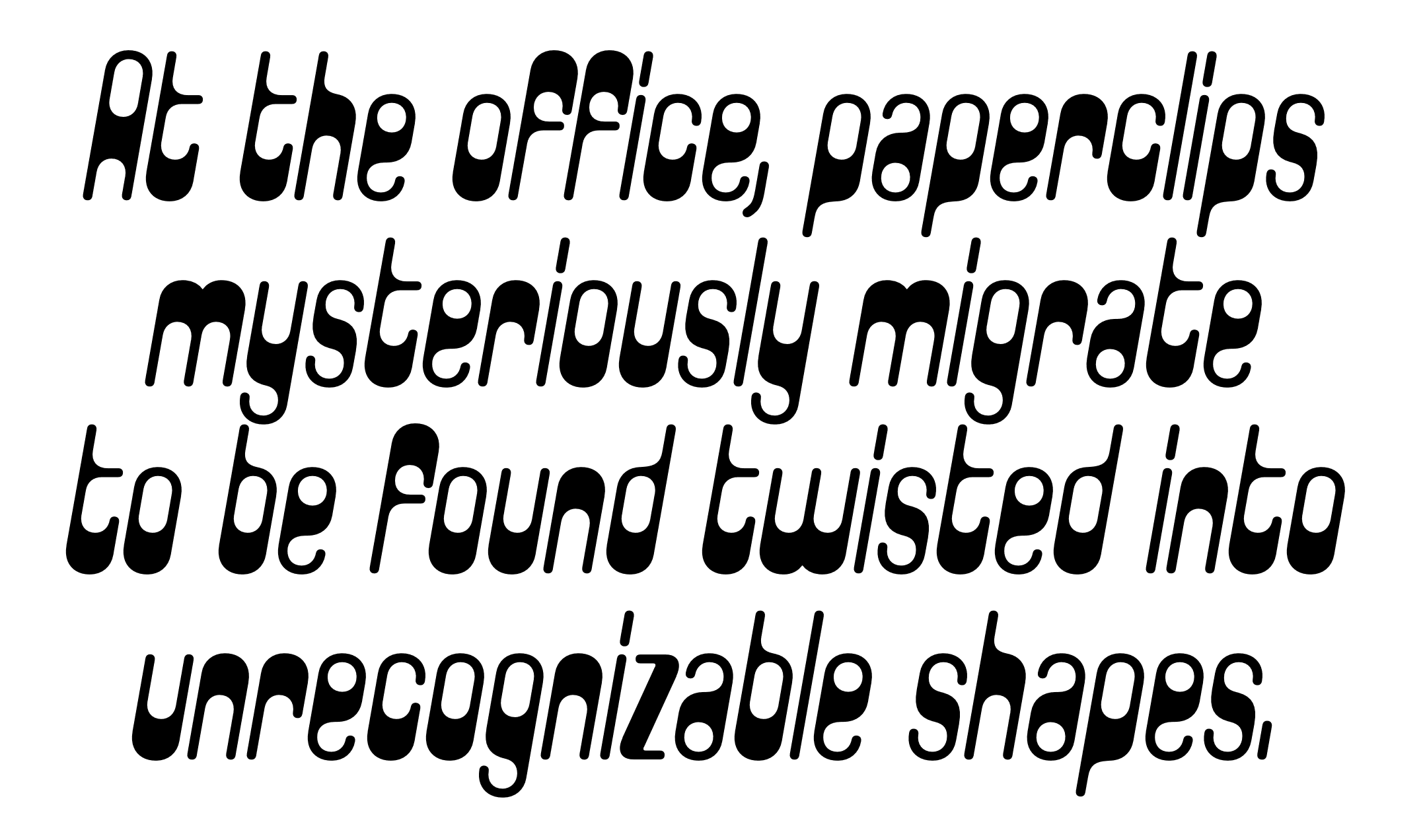
Clippy offers fifteen styles and uses variable font technology. It allows adjustments to stroke weight and slant between Retalic, Roman and Italic. In the font’s presentation, these changes create a rocking movement in the letters.
What is a variable font? Put simply, it is a font whose properties can be adjusted along a continuous range. This allows designers to find the right settings for a particular design.
Clippy offers two possibilities worth exploring:
- Static typography – finding the right weight and slant for a headline or another composition.
- Typography in motion – using changes in the letterforms as part of an animation.
It therefore makes sense to consider both forms together when designing. A headline on a poster and its animated version can share the same underlying idea.
Source: Kanon Foundry
What to consider when using a distinctive font
Clippy can inspire projects where typography needs to attract attention and give a message a distinctive character. Whether it suits a particular brand, however, needs to be tested on actual materials.
When choosing a similar typeface, it is worth taking the following steps:
- Test actual text. Use real names, headlines and the characters required for your languages.
- Check legibility. Assess the design at the sizes your audience will actually see.
- Define its scope of use. Decide whether the typeface belongs across the entire identity or only within a single campaign.
- Set rules for motion. If you plan to change the slant or stroke weight, establish a consistent approach to animation.
Approved usage should then become part of the brand guidelines. In BrandCloud, examples and instructions can be added alongside typography assets so that other team members know how to work with the typeface. With distinctive typography, a concrete example is often easier to understand than the font’s name alone.
Historical inspiration as the starting point for a new design
Clippy offers an interesting perspective on working with typographic heritage. The value of a historical reference does not necessarily lie in preserving it exactly. Exploring possibilities that the original design could not yet offer can be equally inspiring.
For brands and designers, this is a useful source of inspiration. A typeface’s character and the way it is used should be considered together. A distinctive shape can attract attention, but thoughtful use within communication is what gives it purpose.