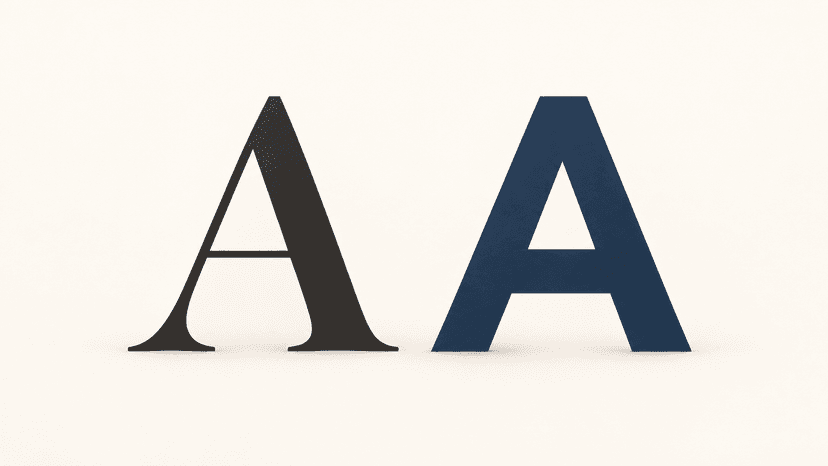
A brand can be recognised without seeing its logo. Sometimes, a few notes, a short melody or a distinctive sound are enough. Sonic identity complements the colours, typography and other visual elements we usually associate with a brand.
Sonic branding gives a brand its own sound. It encompasses short sound motifs as well as a broader approach to the music used in communication. It helps connect individual materials and reinforce the brand’s character.

A sound logo is only part of the identity
Sonic branding, also known as audio branding, is the creation of a brand’s sonic identity. Distinctive motifs help express its personality and set it apart from others.
Its best-known element is usually the sound logo. This is a short sound motif associated with a particular brand. A complete sonic identity also includes a musical direction and its application across different materials.
Just as a visual logo does not determine the appearance of every catalogue page, a short audio signature does not define the music for an entire video. It can, however, provide a common reference point for other sound elements.
A few notes instead of a visible logo
Well-known brands show that a sound signature can take different forms:
- Netflix uses the short “tudum” sound.
- McDonald’s has a melodic motif associated with the slogan “I’m lovin’ it”.
- Apple is known for the distinctive startup sound of its Mac computers.
What stands out in these examples is their brevity. The sound does not need to tell the brand’s entire story. It occupies a clearly defined space and connects a particular moment with the brand’s name.
The placement of the motif is also part of sonic identity. The same sound can have a different effect at the beginning of a video, beneath speech or after the closing message. When the brand’s sound appears, and what that moment is intended to support, therefore matters too.

Source: McDonald
Music shapes the tone of communication
Music can influence the emotional impact of a message. Combined with visuals, it helps shape the impression that communication leaves behind.
The tempo, rhythm and character of music can create a sense of calm, energy or tension. Choosing a soundtrack is therefore part of deciding how a piece of content should feel overall.
What matters is whether the music supports what the specific message is intended to convey. A bold track may work in a short advertisement, while an interview needs to leave enough room for the spoken word.
A consistent character does not require a single track
Sonic identity draws on a brand’s values and the audience it wants to reach. These considerations give the selection of sound motifs a clear direction.
This does not have to mean repeating one recording across every piece of content. A product video, an interview and a short advertisement differ in pace and content. It is more useful to identify what can connect their sound.
For example, a brand can define how energetic its communication should feel and how much room the music should leave for the voice. This guidance allows for varied creative work without starting from scratch with every new piece of content.
When sound deserves more attention
For a brand that regularly publishes videos or works with spoken content, it makes sense to assess sound across its materials. Playing several pieces in succession can reveal a shared character and differences that are less obvious when each is assessed individually.
Three questions can help with this assessment:
- Does the sound reflect the brand’s personality?
- Does it support the message and give it enough room?
- Do the individual materials feel like part of the same communication?
The answer does not have to be the immediate creation of a custom sound logo. Sometimes, a useful outcome is simply a clearer understanding of which music to choose and how to assess it.
Sound deserves a place among brand assets
Audio files can be scattered across projects, folders and external suppliers. When preparing another video, the team then has to establish which recording is approved and what it is intended for.
BrandCloud can serve as a shared location for audio assets and their usage guidelines. It is useful to state a recording’s purpose and include an example of how it fits into a specific piece of content. For another creator, this can be easier to understand than a general description of the desired mood.
Visual identity defines how a brand looks. Sonic identity expands the way it presents itself. When the two come together, individual materials can feel more cohesive — even when they differ in format and content.