AI now makes it possible to create logos within seconds. The results often appear professional, follow current trends, and at first glance meet the expectations placed on visual identity. This is precisely why AI-generated logos are increasingly appearing in real-world use.
At the same time, mixed reactions are emerging. It is not just a matter of aesthetics. Attention is shifting toward the process itself and what it says about the brand. We believe that this layer now influences perception more than the quality of the output alone.
AI logos as an efficient tool and their limits
From a company perspective, AI represents a fast and accessible solution. It allows the creation of a basic visual identity without significant costs and without the need for a long collaboration with a designer. This approach is particularly logical for projects that need to enter the market quickly.
However, the public does not perceive a logo purely as a graphic element. There is an expectation of originality and thoughtful execution. When an identity is created automatically, it can create the impression that the process has been simplified. This impression is then reflected in the overall evaluation of the brand.
Ideally, it should work differently. Technology can accelerate the process, but it should not replace it.
When an AI logo meets reality
Interesting situations arise when an AI-generated logo comes into direct contact with the public. One widely discussed case involved a small hospitality business that introduced a new identity created using AI.
At first glance, it was a visually clean solution. The logo was easy to use, aligned with current aesthetics, and showed no technical flaws. Shortly after its release, however, criticism began to emerge, focusing on a lack of authenticity.

Source: The Salty Otter
The new logo was described as generic and lacking character. Compared to the original identity, which contained small imperfections, it felt impersonal. These subtle imperfections had previously helped build a connection with the brand.
The situation led to a quick revision of the visual identity. It shows that technical correctness is not the only criterion. The ability to build trust and stand out is equally important.
Aesthetics without context
AI-generated designs often meet basic visual standards. They are balanced, readable, and aligned with current trends. At first glance, they appear correct.
The issue emerges when they are expected to function within a specific brand context.
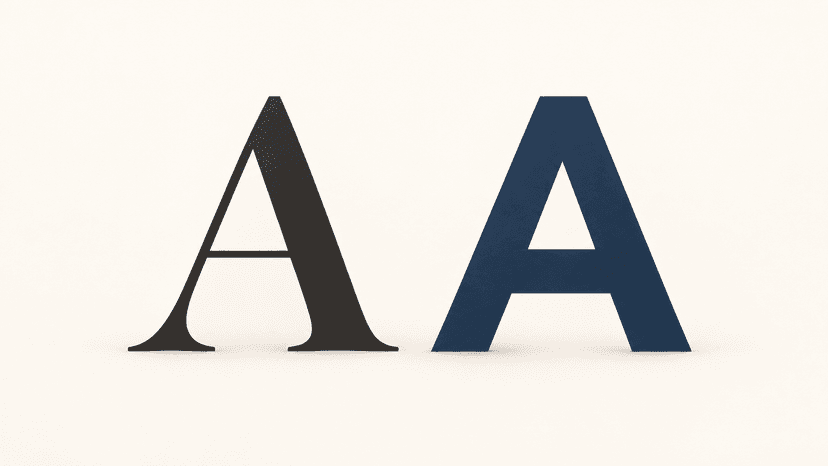
These designs are based on large volumes of existing visuals, which leads to only minor differences between outputs. The result is an aesthetic that feels current but also interchangeable. The logo does not come across as a unique element, but rather as a variation of something already seen many times.
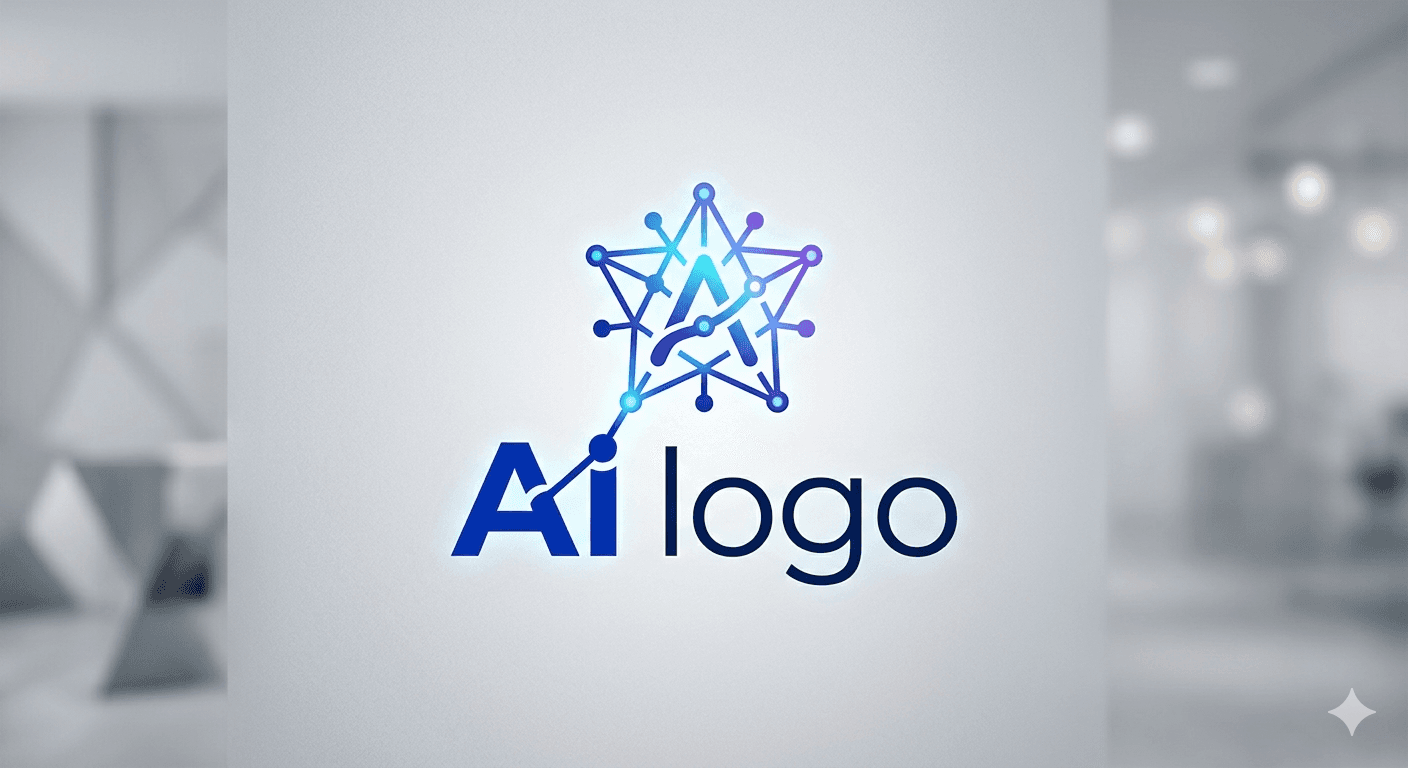
This is where a fundamental mismatch appears. The visual meets expectations on a formal level but does not fulfill the role that a brand identity should play. It lacks a connection to a specific story, set of values, or communication style.
The logo may look right. But it does not feel convincing.
Source: Generated with Gemini
Transparency and its consequences
Another dimension relates to how brands communicate the creation of their logo. Openly acknowledging the use of AI can, in some cases, signal an innovative approach.
In other situations, however, the opposite reaction occurs. Expectations associated with originality and human input are not met, which can weaken trust. Transparency does not automatically lead to positive reception.
What matters is how AI is integrated into the process. When it is perceived as a replacement, it creates discomfort. When it is understood as a tool that complements human work, the perception shifts.
How to work with AI logos in practice
Using AI in logo creation requires a different approach. The output itself should not be treated as a final solution, but rather as a starting point for further development.
It is essential to add context, including the brand’s values and communication style. Without this layer, the logo remains an isolated element that cannot function effectively in the long term.
Several approaches have proven effective in practice:
- use AI as a tool for generating concepts
- refine outputs to reflect the brand’s character
- test audience reactions before launch
- assess whether AI aligns with the brand’s segment
- treat identity as a system, not just a logo
BrandCloud helps maintain order in visual identity and ensures that outputs remain consistent. This becomes particularly important when multiple variations or concepts are being developed.
AI-generated logos raise a broader question about what defines the value of visual identity today. It is no longer enough for a logo to look correct at first glance. What matters is whether it can hold up over time and across different contexts.
The difference between a quick solution and a well-thought-out identity remains clear. Technology can significantly accelerate the process. The direction, however, must still come from the brand itself.