Rebranding today means much more than just changing a logo or visual identity. In most companies, it involves a large-scale update of digital content across websites, campaigns, presentations, social media, and internal documentation. And this is exactly where DAM starts to become important.
Digital Asset Management refers to a system used to manage digital assets — content that companies use in marketing and communication. This includes logos, banners, photos, videos, presentations, PDF documents, and social media templates. DAM allows assets to be centrally organized, versioned, approved, and shared across teams.
As the amount of digital content continues to grow, traditional cloud storage solutions are no longer enough for many companies. While Google Drive or Dropbox make file sharing easy, version control, finding up-to-date materials, and managing who works with which content often become problematic.
There is simply too much content.
Why DAM is important during rebranding
During a rebrand, old and new materials usually exist side by side. If asset management is not centralized, inconsistent communication starts appearing very quickly.
A common issue is the use of outdated presentations, old logos, or previous advertising visuals. Social media channels may already reflect the new identity, while the sales team continues using older materials. The result is a brand that feels inconsistent.
And that becomes a problem.
DAM significantly reduces situations like these. Teams work from a single source of assets and have access to the latest versions of content. At the same time, companies can archive outdated materials, approve new assets, and automatically distribute content across the organization.
Search speed is also important. Once a company works with thousands of files, manual organization stops being sustainable in the long term.

Bang & Olufsen used DAM to unify brand communication
Bang & Olufsen used DAM while modernizing its brand identity in order to unify communication across global teams. Marketing materials were stored in multiple locations, and different markets worked with different versions of assets.
After implementing a DAM system, content management became centralized and asset governance was unified. Teams gained access to up-to-date materials, and the new identity could be rolled out faster across channels and regions.
One system. One version of assets. Significantly less chaos.
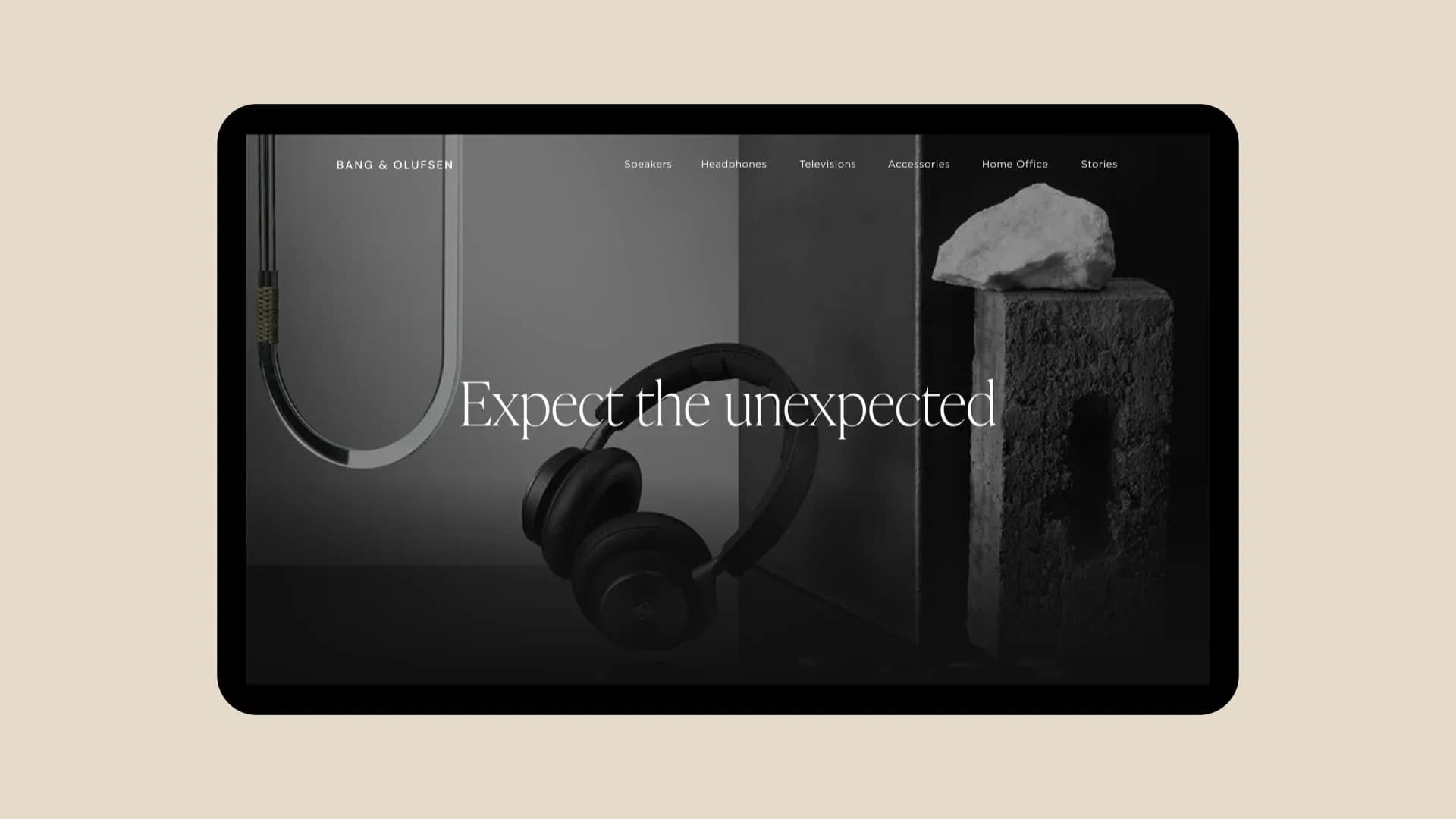
Source: Behance
Rebranding now affects the entire company
Modern rebranding impacts far more than just the marketing department. Onboarding materials, product documents, presentations, campaigns, email templates, and internal documentation all need to be updated.
External partners, freelancers, and regional teams also become part of the process and need access to current assets. Without centralized content management, coordinating a rebrand quickly becomes complex and time-consuming.
This is why DAM is becoming part of a broader brand strategy. It is no longer only about organizing files, but about maintaining consistent communication across all channels.
How to manage a rebrand effectively with DAM
If a company is planning a rebrand, asset management should be addressed from the very beginning of the process. Manually searching for outdated materials or updating content later is highly inefficient.
When implementing DAM during a rebrand, it is worth focusing on:
- creating a central asset library
- version control and approval workflows
- archiving outdated materials
- setting permissions for internal and external teams
- connecting assets with the brand manual
- fast search through metadata and tags
BrandCloud enables centralized digital asset management and ensures that teams work with the latest versions of content. During a rebrand, this can significantly simplify the distribution of new materials across marketing, sales, and external partners.
Today, rebranding represents much more than a visual change. In reality, it involves extensive work with digital content that must be updated across the entire organization.