
Rebranding is a sensitive moment for brands. It brings changes to visual identity, communication, and the overall impression a brand leaves behind. Ideally, it strengthens market position and improves the connection with the audience. However, it does not always receive a positive response. In recent years, there have been more and more cases where a redesign sparks criticism and raises questions about whether the decision was the right one.
It is important to understand that a negative reaction does not necessarily mean failure. Brand perception evolves over time and is shaped by experience and context. What is initially rejected may later be accepted as a natural part of the brand’s identity. The way a brand responds to initial reactions often determines its future direction.
Why rebranding sometimes fails
Rebranding is often seen as a way to modernize a brand or make it more relevant to a new audience. The problem arises when the change disrupts what people have long associated with the brand. Brand identity is not built only visually, but also through experiences, emotions, and expectations.
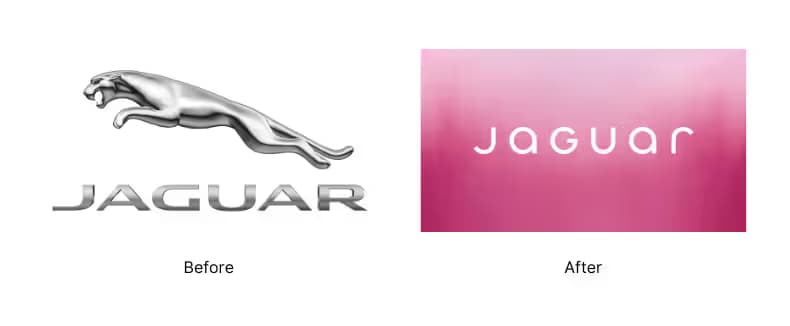
One frequently discussed example is Jaguar. Its redesign triggered strong reactions because it interfered with the traditional perception of the brand as a symbol of elegance and prestige. For part of the audience, the change felt too distant from what the brand had represented over time.
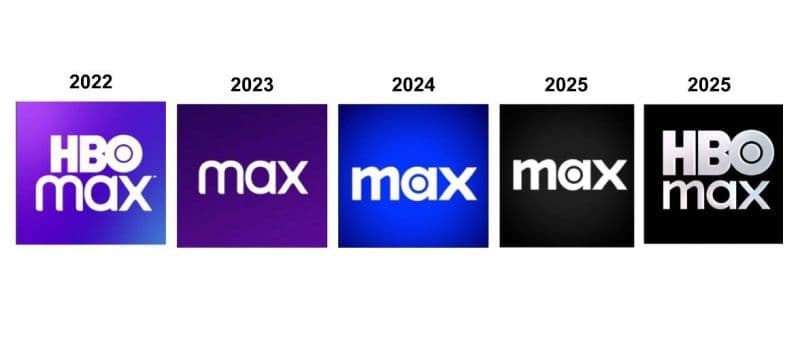
A similar situation appeared with HBO, where changes in visual identity opened a debate about whether they brought meaningful progress or disrupted a familiar style that audiences were used to.
The failure of a redesign, therefore, often lies not in the design itself, but in the mismatch between the change and audience expectations.
Quick judgments versus long-term perception
One important aspect is the speed at which people evaluate new identities. In a digital environment, reactions appear almost instantly and are often very strong. Social media creates a space where opinions spread quickly and can influence broader brand perception.
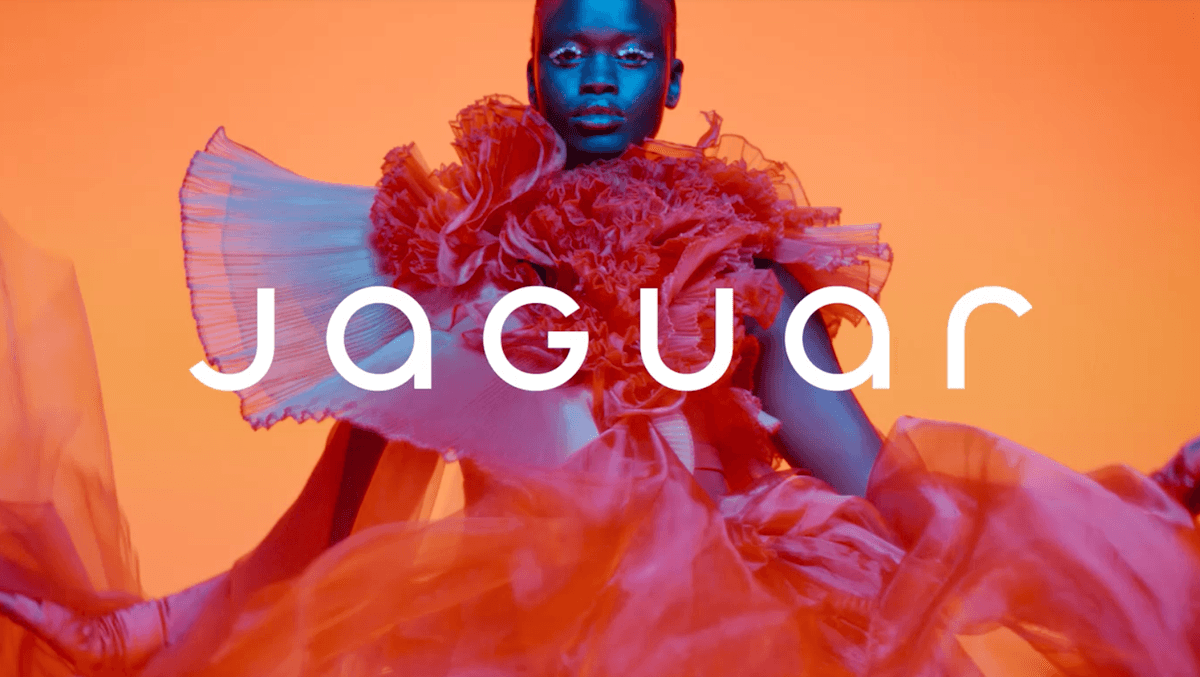
Source: Jaguar
However, it is worth considering that initial reactions are strongly shaped by habit. People tend to respond negatively to change because it disrupts their previous experience. Over time, new elements can become a natural part of the visual identity.
Brands therefore face a decision: whether to adjust the redesign based on immediate criticism or to give it time. This phase is often decisive, as rushed changes can lead to inconsistent communication and a weakened identity.
How brands respond to an unsuccessful redesign
After a negative reaction, brands have several options. Each comes with different implications for perception and trust:
- Returning to the original identity
This approach may seem like admitting a mistake, but it can also strengthen trust if the audience clearly rejects the change. - Gradual refinement of the redesign
The brand maintains the overall direction but responds to specific feedback. This approach is used when the concept is sound, but the execution was not sufficiently aligned with expectations. - Sticking with the new identity
In this case, the brand stands behind the redesign and works with it over time. It becomes important to support the change with clear communication that explains its purpose.
Each of these approaches requires careful consideration. Brands should take into account the intensity of audience reactions, the scale of the change, and how it fits into long-term strategy.
Impact on trust and brand consistency
Every decision following an unsuccessful rebranding affects how the brand is perceived. Consistency, meaning a unified visual style and communication across channels, is one of the foundations of brand building. Frequent changes can disrupt this consistency.
Trust is also affected. If a brand appears uncertain or shifts direction without clear explanation, the audience may lose clarity about what the brand represents.
In this context, systematic brand and content management becomes essential. Brandcloud helps organizations maintain oversight of visual assets, unify communication, and ensure that all outputs align with the current identity. This is particularly important during periods of change, when maintaining a clear and coherent image is critical.
Thinking about rebranding in a broader context
An unsuccessful rebranding is not necessarily a final failure. It often represents a moment that reveals weaknesses in communication or in understanding the audience. Brands that can analyze and respond to this situation can strengthen their identity.
In practice, the success of a redesign is not determined solely by its visual quality. Continuity with the existing identity, the ability to explain the change, and patience during implementation all influence the outcome.
For brands, this means approaching rebranding as a process rather than a one-time change. How to communicate the change, when to adjust it, and when to stay consistent—these are questions every organization needs to address.