Creating a design is often the easiest part of the job today. Much more time is spent on approvals, publishing, distribution, and transferring assets between different tools. Canva’s latest updates focus precisely on this part of the workflow.
The new features introduced by Canva are more than just another batch of AI-powered tools. They share a common goal: shortening the distance between content creation and its actual use in marketing. Alongside improved creative capabilities, Canva is expanding its integrations, publishing options, and connections with platforms that marketing teams rely on every day.
Better Photo Editing Without Complex Workflows
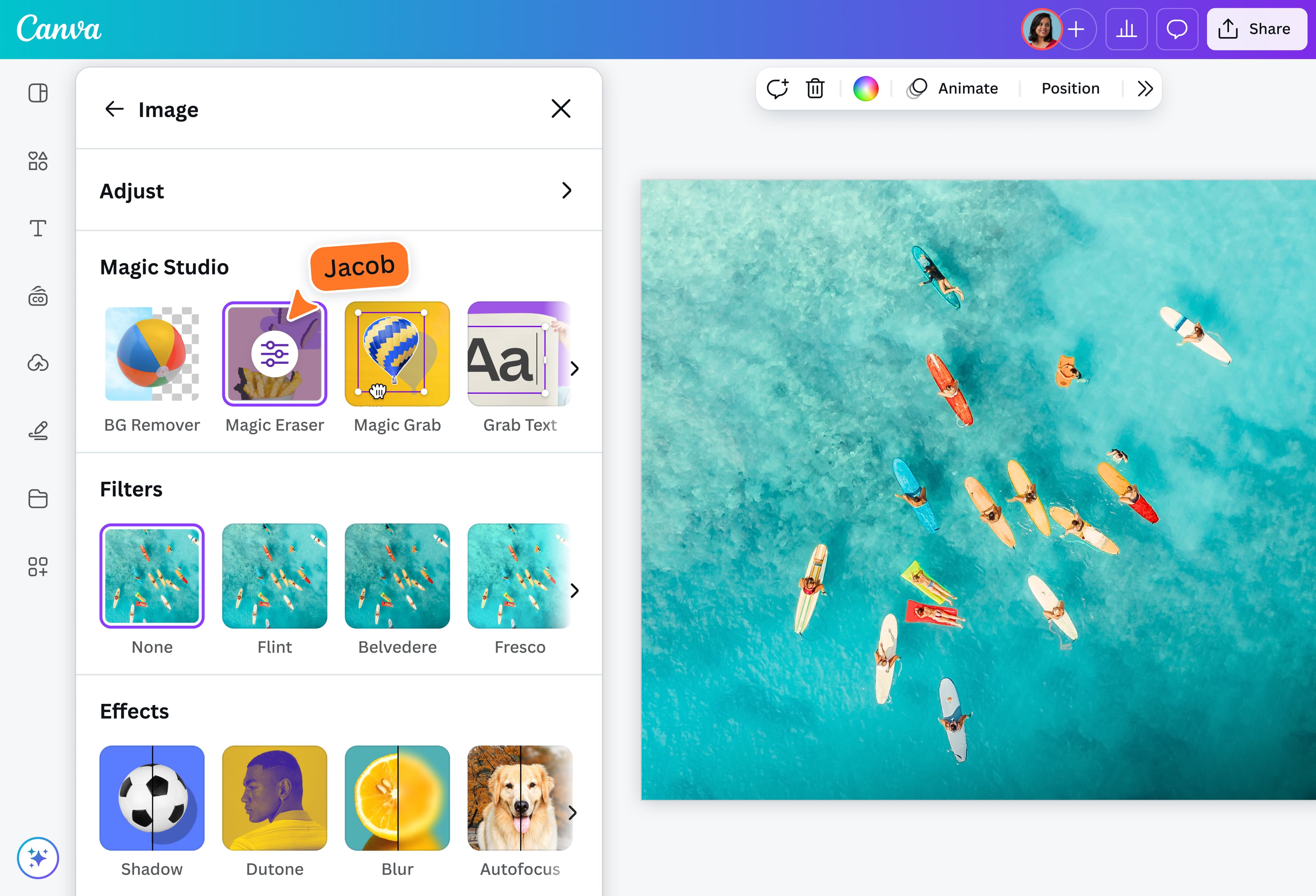
One of the latest additions is an improved version of Magic Eraser, Canva’s tool for removing unwanted objects from images.
Many design platforms offer similar functionality today, but the difference often comes down to the quality of the results. According to Canva, the updated version delivers greater accuracy and can remove objects without leaving visible traces, shadows, or reflections behind.
From a brand management perspective, the main benefit is the reduction in time spent editing creative assets. Fewer adjustments in external editing software mean faster content production and fewer file versions to manage.
Source: Canva
Turning a Static Image Into a Video in Seconds
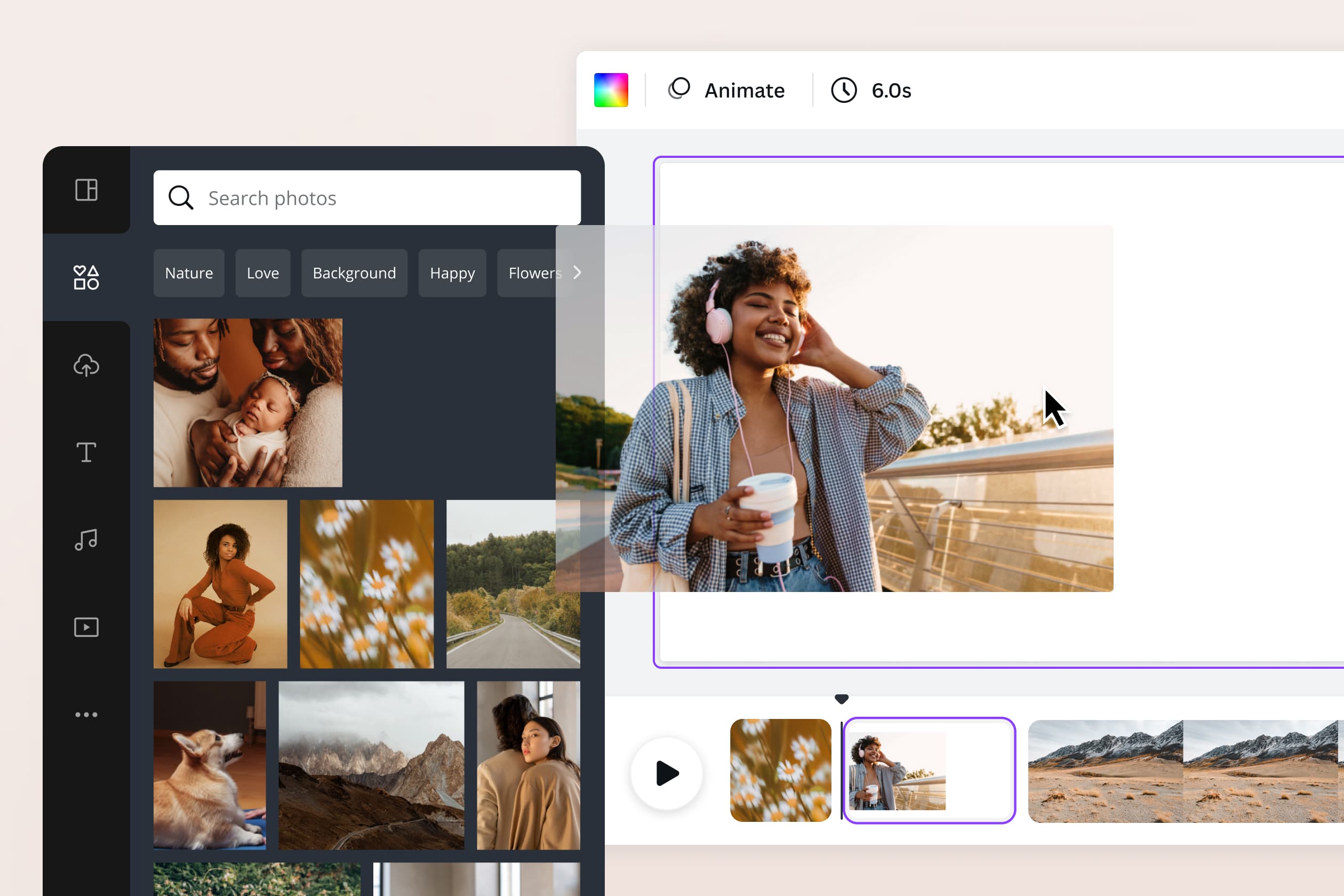
Canva is also expanding the capabilities of its Image to Video tool. It can now work with photos containing human faces, generating more natural-looking animations than before. The result is a short video created from a single image.
For marketing teams, the biggest advantage is the ability to repurpose existing assets. Product photography, employee portraits, or content stored in a brand library can now be used in formats that previously required video production.
This is not a replacement for professional video creation. However, for social media content, campaign support materials, or quick visual storytelling, it can be a valuable addition to the content toolkit.
Source: Canva
Canva Moves Closer to the Publishing Stage
Some of the most significant updates focus on an area that is often more challenging than design itself.
Canva is expanding its publishing capabilities, allowing users to send content directly to platforms such as Facebook, Pinterest, Google Drive, OneDrive, and Dropbox. The process also includes preview options, caption settings, cover images, and alt text management.
This moves Canva beyond the role of a traditional design tool. Content no longer needs to be exported, uploaded again, and adjusted across multiple systems. The entire process can take place within a single environment.
This reflects a broader trend across marketing technology. The boundaries between content creation, management, and distribution are becoming increasingly blurred.
HubSpot Integration Simplifies Asset Management
Another notable addition is Canva’s deeper integration with HubSpot.
Users can access assets stored in HubSpot directly within Canva and send completed designs back to the marketing platform. This eliminates part of the manual work associated with exporting files, downloading assets, and managing multiple versions.
For organizations handling large volumes of marketing materials, content consistency is becoming increasingly important. The more systems involved in campaign production, the greater the risk of outdated files or incorrectly used assets.
This is why centralized digital asset management continues to gain importance. BrandCloud helps organizations keep approved materials in one place and ensures that teams always work with the most up-to-date versions of their assets.
Email Marketing Without Exports and Manual Transfers
Canva’s latest updates also target email marketing workflows. The platform now supports direct integrations with Mailchimp, Klaviyo, Constant Contact, and Flodesk. Email designs can be transferred directly into these platforms without exporting files or rebuilding templates manually.
At first glance, this may seem like a small improvement. In reality, it addresses a challenge familiar to many marketing teams. Every additional export, import, or manual adjustment creates opportunities for errors and extends campaign preparation time.
As a result, Canva is increasingly focused on enabling a smoother flow of content between different systems.
Canva Is Expanding Across the Entire Content Lifecycle
These new features reinforce the direction Canva has been moving toward for some time. Beyond content creation itself, the platform is increasingly focused on publishing, distribution, and integration with other marketing tools.
For teams, this means faster workflows and fewer manual steps. At the same time, the importance of effective digital asset management continues to grow, helping organizations keep content current, organized, and consistent across every channel.