Today’s digital environment allows brands to communicate faster and on a much larger scale than ever before. Content is created continuously, marketing materials are produced across multiple departments, and external agencies, freelancers, and AI tools are increasingly becoming part of corporate communication. It is precisely in this environment that it becomes more apparent how easily a brand can lose consistency.
At first glance, these inconsistencies often seem minor. A different shade of a logo, inconsistent presentation templates, or a different communication style across social media channels. In reality, however, such inconsistencies weaken brand credibility and make the brand less recognizable. In digital environments, inconsistency also becomes visible much faster than it did in the past.
This is exactly why the term brand compliance is becoming increasingly common. In other words, the ability of a company to keep its brand consistent across all channels, teams, and outputs. This is not limited to visual identity control alone. A properly established brand compliance system influences marketing, sales, HR, and internal communication as well.
In many companies, branding is still perceived primarily as a matter of design. A brand manual exists, the logo is professionally designed, yet the actual use of the brand often remains significantly less consistent.
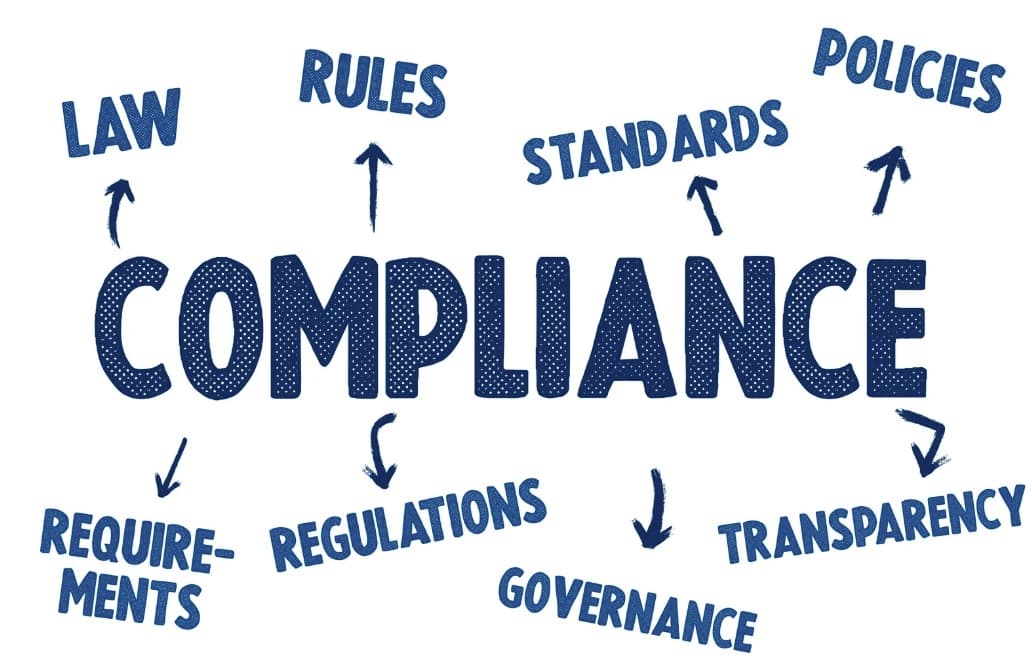
What brand compliance means
Brand compliance refers to a set of rules, processes, and tools designed to ensure the proper use of a brand. It is most commonly associated with visual identity, typography, logos, or tone of voice. In reality, however, it extends into a much broader area of corporate communication.
Brand compliance often includes:
- using the correct logo versions
- working with unified graphic templates
- maintaining a consistent tone of voice
- managing digital assets
- controlling marketing materials
- centralizing content across teams
It is often evident that the problem does not stem from the absence of rules, but rather from their inaccessibility or overly complicated implementation. Companies struggle with outdated materials, duplicate files, or the absence of centralized brand management.
This can be clearly seen in large-scale rebrands of global companies. When PepsiCo introduced a new Pepsi logo in 2023 after fourteen years, the change was not purely visual. The redesign was created as part of a broader brand strategy intended to support the company’s new communication approach and product positioning.
Brand consistency is not only about the logo
Pepsi’s new identity strongly embraced nostalgia and referenced the visual style of the brand from the 1970s to the 1990s. The iconic brand colors and circular symbol were preserved, while the typography and overall visual system were modernized. More prominent black elements were introduced to support communication around the Pepsi Zero Sugar product line.
The redesign therefore did not serve purely aesthetic purposes. The visual identity was directly connected to the company’s business strategy and intended to reflect the new direction of the brand’s communication.
Another interesting aspect was the way Pepsi worked with audience reactions. During the redesign process, the company considered how consumers spontaneously remembered the Pepsi logo. Most people recalled a circular symbol, the brand colors, and the bold Pepsi wordmark. These exact elements were significantly reinforced within the new identity.
At the same time, the redesign partly responded to the less successful 2008 rebrand, which had been criticized for excessive simplicity and the weakening of the brand’s characteristic elements. This demonstrated that redesigning a brand cannot rely solely on current design trends. Maintaining continuity and recognizability remains essential.
Pepsi also demonstrated that consistent branding does not have to feel rigid or sterile. Strong brands are often built through the ability to work with history, emotions, and long-term recognizable elements.
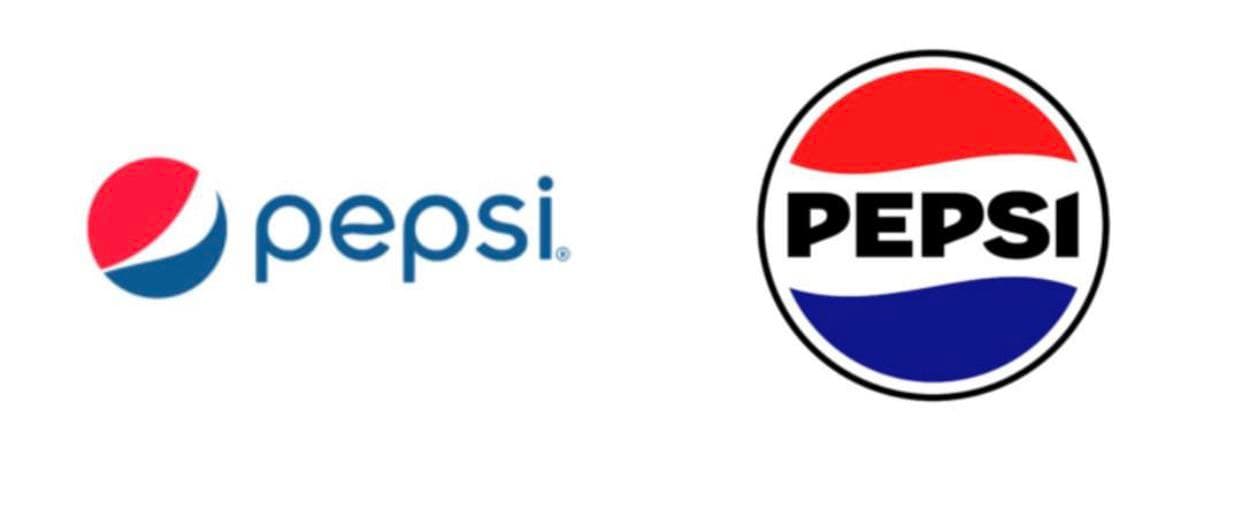
Source: Pepsi
Why brand compliance matters more today than before
In the past, most corporate materials were created within a single marketing department. Today, content is produced in a decentralized way across entire organizations. Brand communication now involves social media managers, sales teams, HR specialists, external agencies, and automated AI tools.
The result is a significantly larger amount of content, but also a much higher risk of inconsistency.
Today, brands no longer exist solely on websites or advertising campaigns. They are present in presentations, applications, onboarding materials, social media channels, newsletters, and internal documents. This is why centralized brand management is becoming increasingly important.
Many companies are gradually moving away from static PDF brand manuals and transitioning to digital asset management systems. BrandCloud allows companies to centralize brand materials, share up-to-date asset versions across teams, and significantly simplify visual identity management in digital environments. If employees or external collaborators do not have immediate access to current materials, brand consistency can quickly deteriorate.
This is where the difference between simply having a brand manual and operating a truly functional brand compliance system becomes visible.
How brand compliance can work
Many companies are beginning to realize that a brand manual alone is no longer sufficient. If employees struggle to find the correct materials or must wait for every banner to be approved, the entire system becomes inefficient.
This is why centralized brand and digital asset management solutions are becoming increasingly common. BrandCloud allows companies to manage logos, templates, graphic assets, and brand manuals from a single location. Teams therefore work with up-to-date materials while significantly reducing the risk of using outdated versions.
A properly established system does not slow down content creation. On the contrary, it enables faster workflows without unnecessary chaos.
The following practices tend to work best:
- creating one centralized asset repository
- reducing duplicate files
- regularly updating templates
- clearly defining tone of voice
- ensuring simple access for both internal and external teams
- automating approval processes
Simplicity is often the deciding factor. Overly complex rules frequently stop functioning effectively in day-to-day operations.