Contemporary typography is undergoing a transformation closely tied to the digital environment and the growing need for differentiation. Type is no longer perceived as a static element but is becoming an active part of a brand’s visual communication. Within this context, the fonts Only Yours and Softly Yours by Rosetta Type introduce an approach that shifts typography toward personalization and variability. They offer a system in which type adapts to context, medium, and specific messaging.
What the Yourses concept means in typography
The Yourses concept, introduced by Rosetta Type, represents a new way of thinking about type in a digital context. Rather than a traditional font family with fixed styles, it is a system that enables the generation of a large number of glyph variations. Type is no longer a single closed form but a dynamic structure that responds to its context of use.
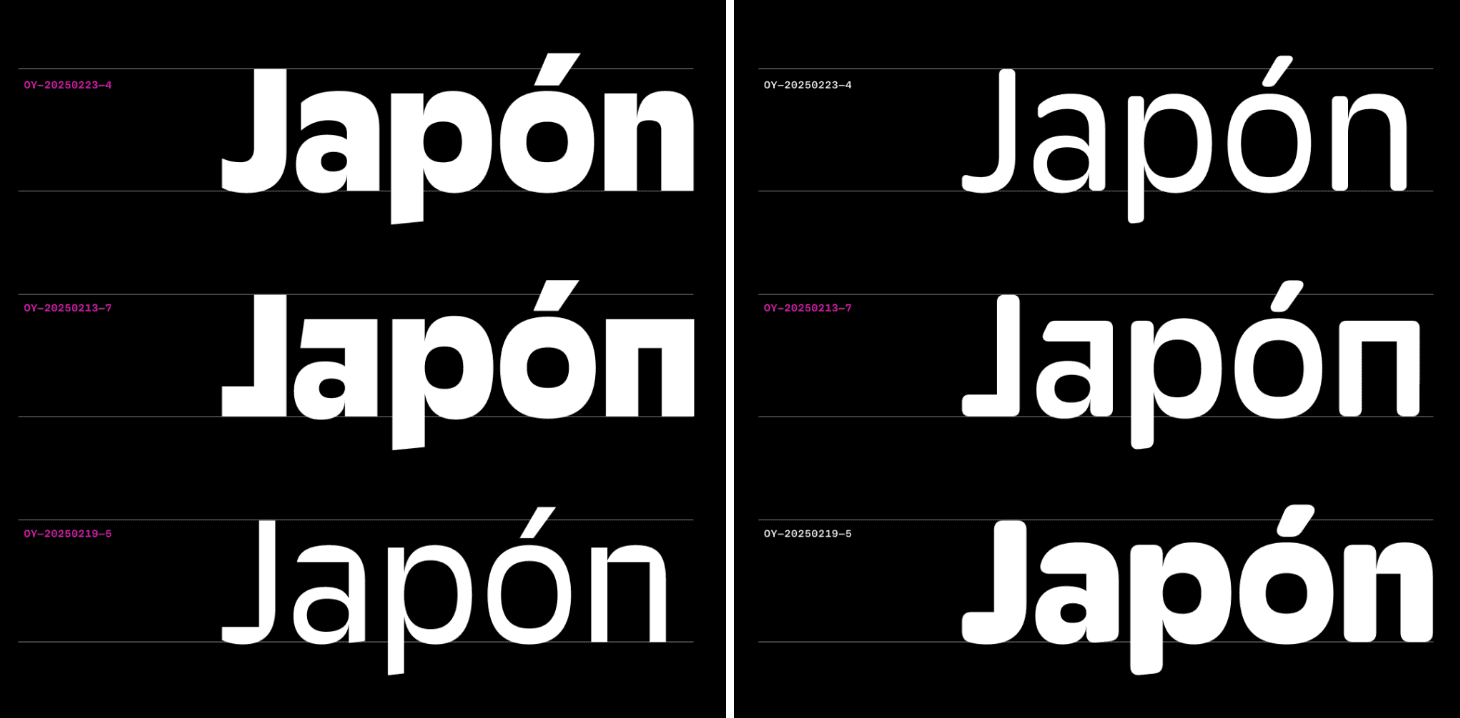
Only Yours and Softly Yours bring this concept into practical form. Each character has multiple alternative versions that are automatically rotated. As a result, text can appear slightly different each time it is rendered, without compromising readability or overall visual consistency.
This approach is made possible through advanced use of OpenType features and algorithmic control of glyph variations. For users, this means variability occurs naturally, without manual intervention. Typography becomes more dynamic and organic, approaching the qualities of handwriting while maintaining the structure of digital design.
Source: Rosetta Type
Only Yours as a distinctive typographic tool
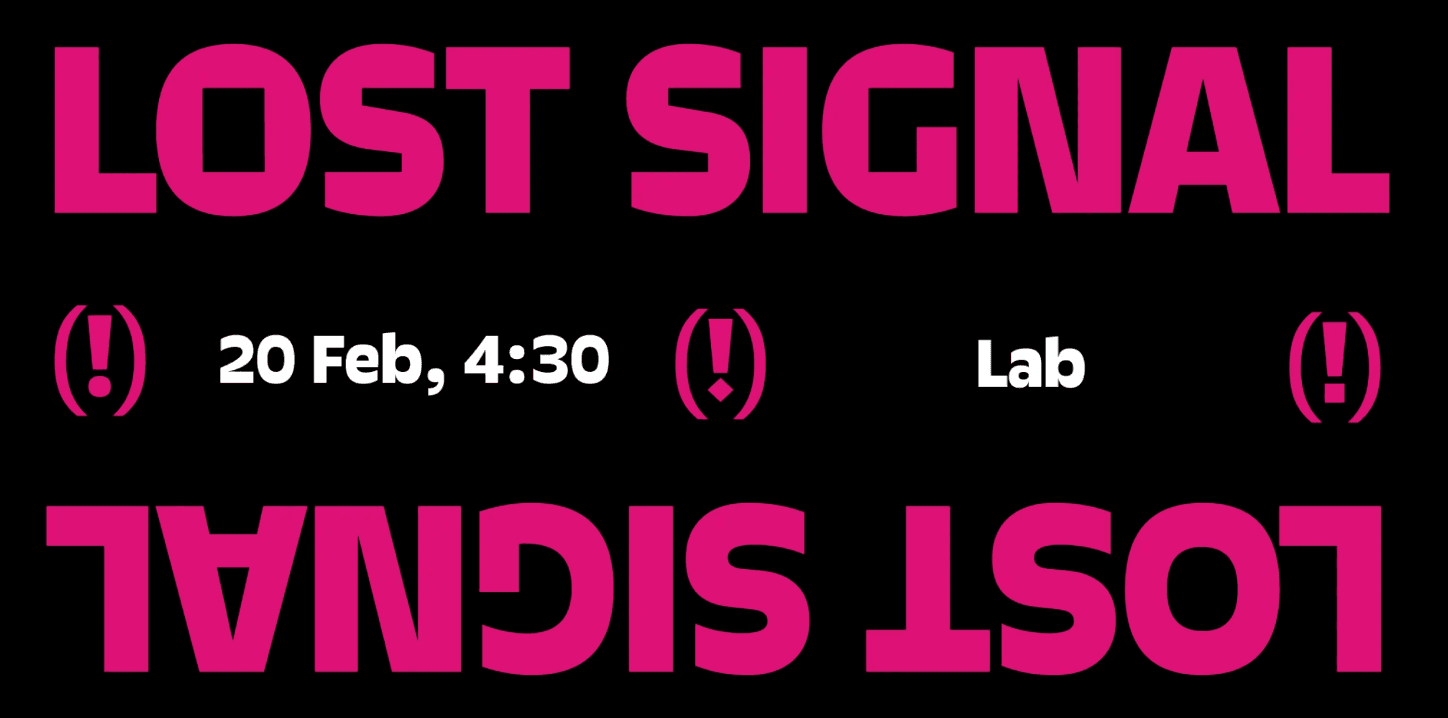
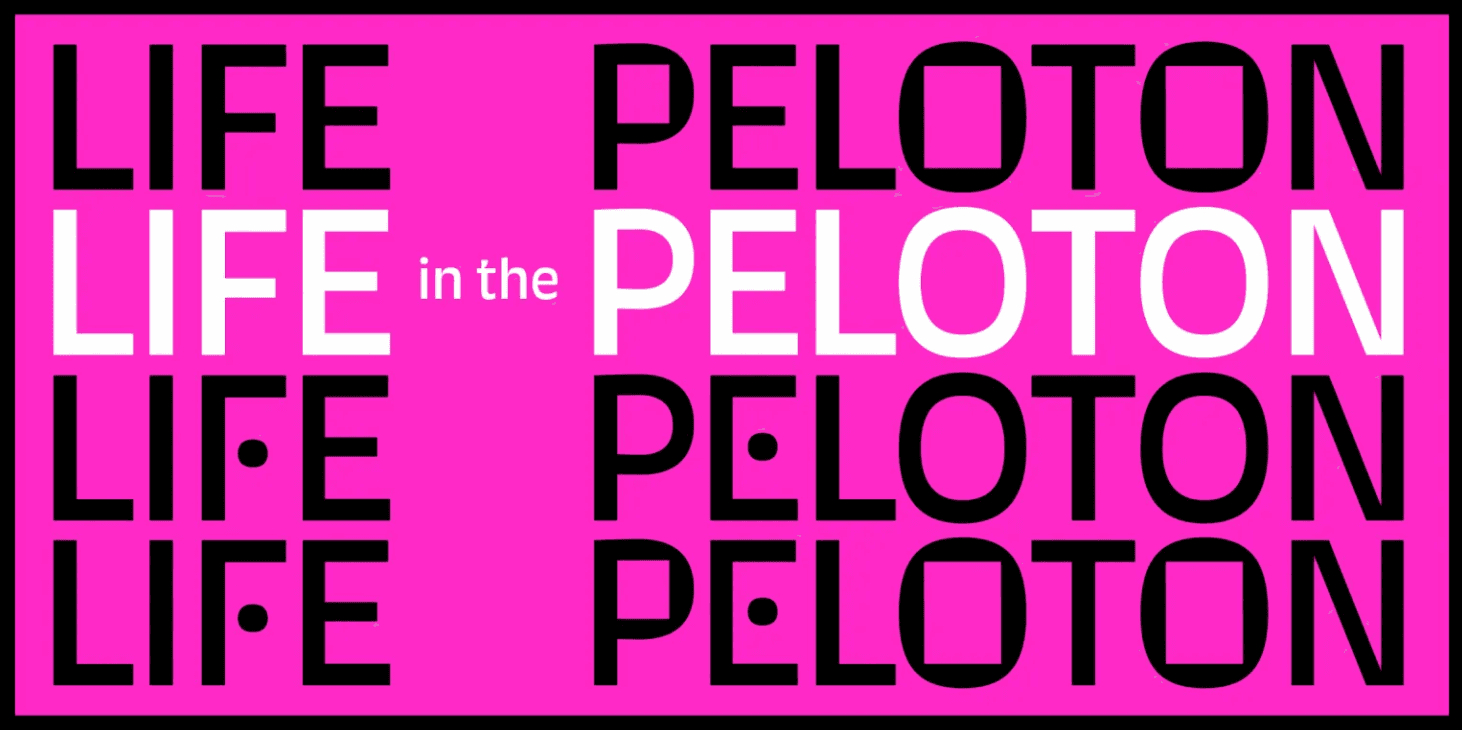
Only Yours is designed as the more expressive variant within this family. It is characterized by a strong visual presence, making it suitable for headlines, brand identities, and campaigns where attention is essential.
Source: Rosetta Type
An important aspect of this typeface is its level of personalization. Each piece of text can take on a unique form through subtle differences in detail. This creates a sense of originality even when the same message is used repeatedly, which is particularly valuable in digital communication where content often appears across multiple formats.
Only Yours expands the role of typography as a carrier of identity. It is not only a medium for conveying information but also a tool that shapes the visual character of a brand.
Source: Rosetta Type
Softly Yours and a more subtle visual expression
Softly Yours represents a more restrained approach. While it retains the principle of variable glyphs, its visual expression is calmer and less expressive. This makes it suitable for longer texts, editorial content, or communication where readability and a refined tone are essential.
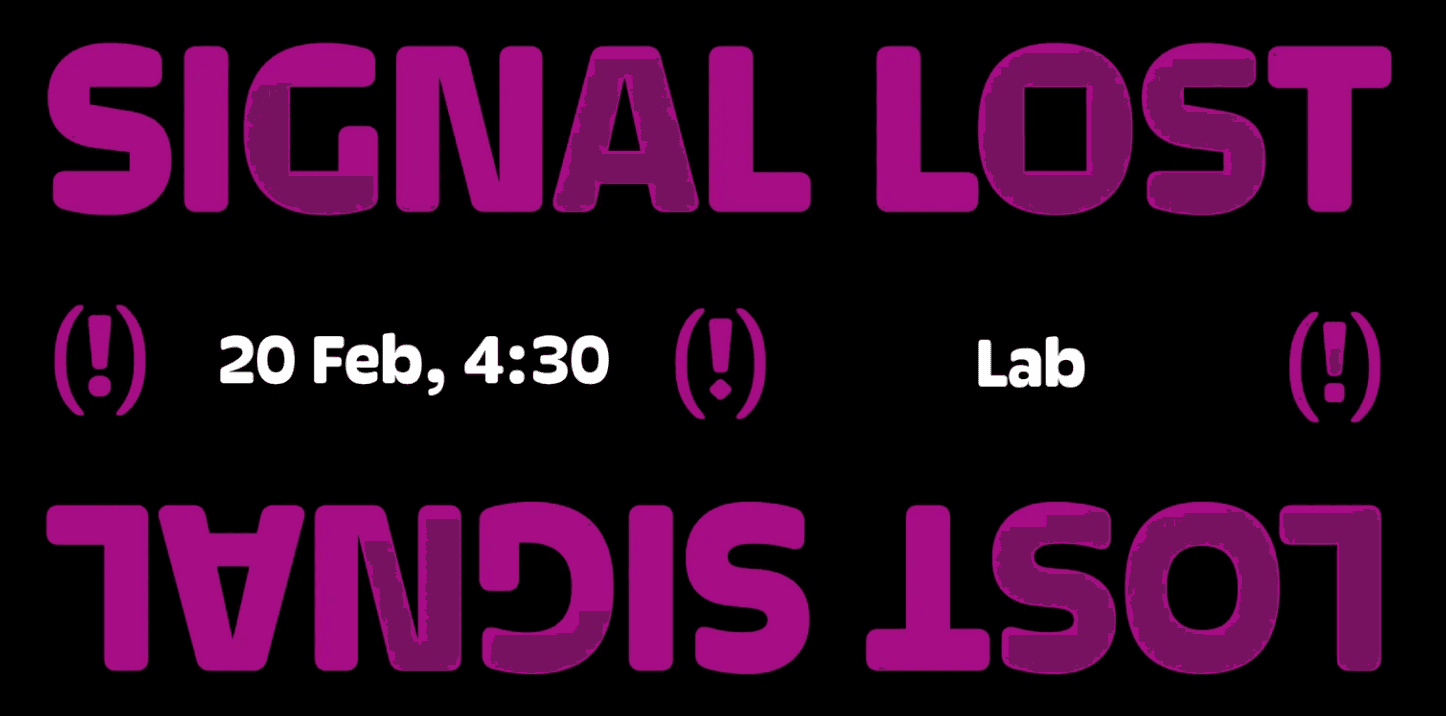
Source: Rosetta Type
This typeface demonstrates that variability does not always need to be immediately visible. It can exist in subtle nuances that are perceived more intuitively than consciously. As a result, text feels less mechanical and more natural.
Softly Yours extends the Yourses concept into areas where a more understated visual language is required, allowing variability to be applied even in more conservative design contexts.
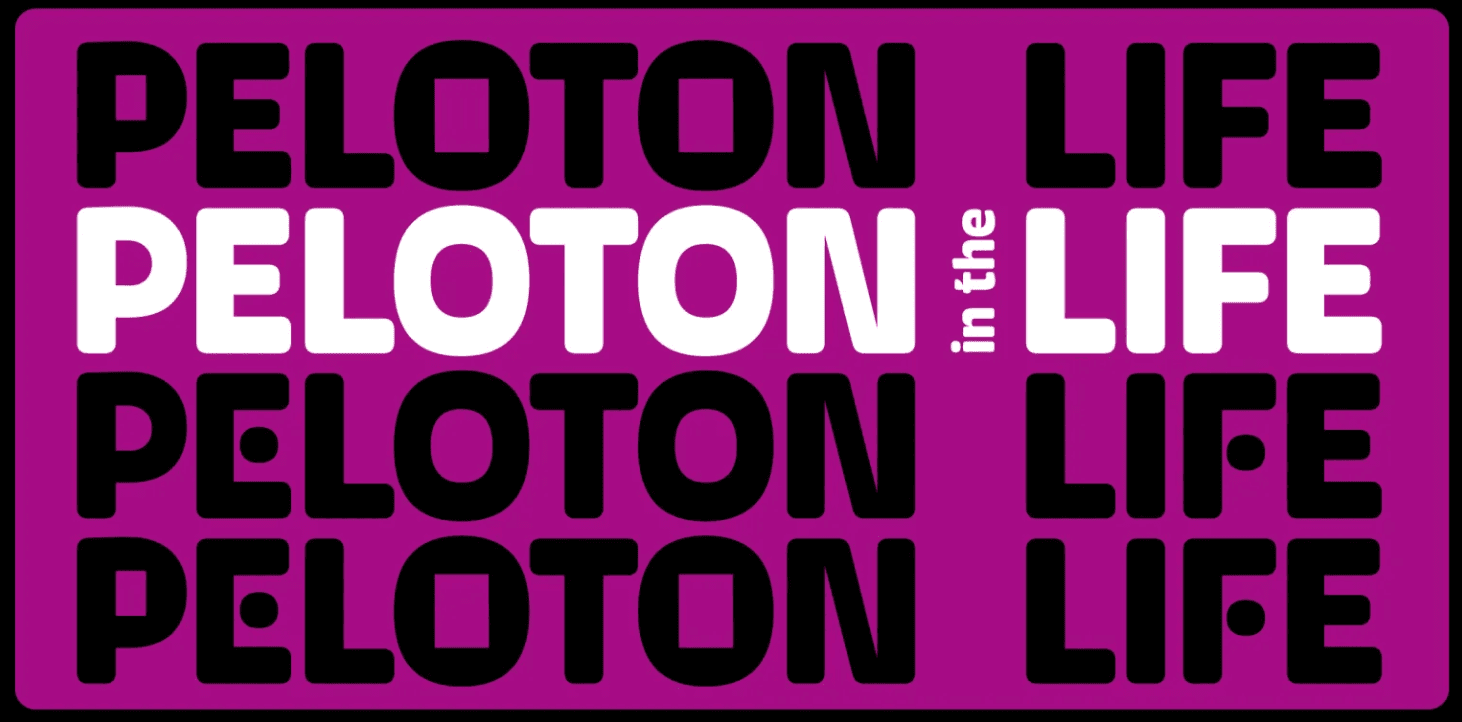
Source: Rosetta Type
Personalization and digital communication
One of the key questions raised by these typefaces is how the relationship between brands and their audiences may evolve. Personalization is becoming a standard feature of digital services, and typography is responding to this shift.
The ability to generate unique variations of text opens up new possibilities for individualized communication. Brands can approach typography in a similar way to content, adapting it to specific users or contexts. This can be reflected in personalized campaigns, dynamic websites, or applications.
At the same time, this changes how visual identity is understood. Instead of being defined by a single fixed element, identity becomes a system of rules that allows for variation while maintaining a coherent overall impression.
Working with variable typography
Introducing such dynamic type systems requires a thoughtful approach. As typography becomes a changing element, it is important to ensure consistency across different channels.
In this context, tools that centralize visual assets and brand guidelines become increasingly valuable. BrandCloud can serve as a space where current design assets, typographic rules, and usage examples are stored and shared. This helps teams maintain clarity in how variable type is applied and combined with other elements of the visual identity.
Collaboration between designers and marketing teams is equally important. Variable typography offers new possibilities, but it also requires clearly defined principles to ensure that communication remains consistent.
Where contemporary typography is heading
Only Yours and Softly Yours point to a broader shift in how type is approached. Rather than selecting a single fixed form, designers are increasingly working with systems that generate variation within defined rules. Typography is moving closer to principles known from digital environments, where outputs are not static but continuously adapting structures.
This shift has a direct impact on how brands communicate. When each instance of text can differ slightly, it introduces a sense of authenticity and natural expression that is otherwise difficult to achieve in digital contexts. At the same time, it places greater emphasis on how visual identity is structured. It is no longer enough to define how something looks; it is necessary to define how it behaves.
In this sense, typography becomes part of a broader movement toward dynamic identity systems. Instead of rigid guidelines, brands are increasingly building frameworks that allow them to respond to different contexts while maintaining clarity and continuity.