The digital environment has transformed the way brands communicate their identity. Today, visual style must stand out on small displays, in motion, on social media, and within applications. In this context, neo-minimalism is becoming increasingly prevalent—a trend that works with a limited number of elements, but with high visual precision and thoughtful composition.
Neo-minimalism in logos is a reaction to the oversaturation of visual communication. Brands strive for purity, clarity, and memorability. But how does this approach affect brand perception, and where is the line between simplicity and anonymity?
Neo-minimalism as a contemporary design trend
Neo-minimalism is based on the minimalist art of the second half of the 20th century, which sought to reduce form to basic geometric shapes and restrained colors. However, the current form of this trend responds to the digital environment and changing visual culture.
While classic minimalism could appear austere and stark, neo-minimalism works with subtlety, proportion, and sensitive typography. Here, reduction means concentration of meaning. Every element must be justified and functional.
This approach is applied in architecture, product design, and digital interfaces. The common denominator is an emphasis on purity, balance, and long-term aesthetic value.

Neo-minimalism in graphic design
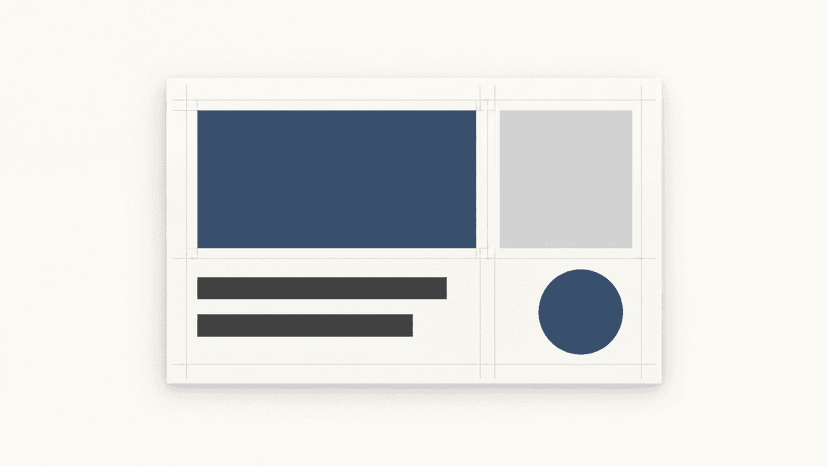
In graphic design, neo-minimalism manifests itself primarily through consistent use of space. The term "white space" is often used to describe the deliberate use of empty space around elements. This increases clarity and allows individual parts of the message to stand out.
Typical characteristics include:
- a limited color palette,
- simple compositions,
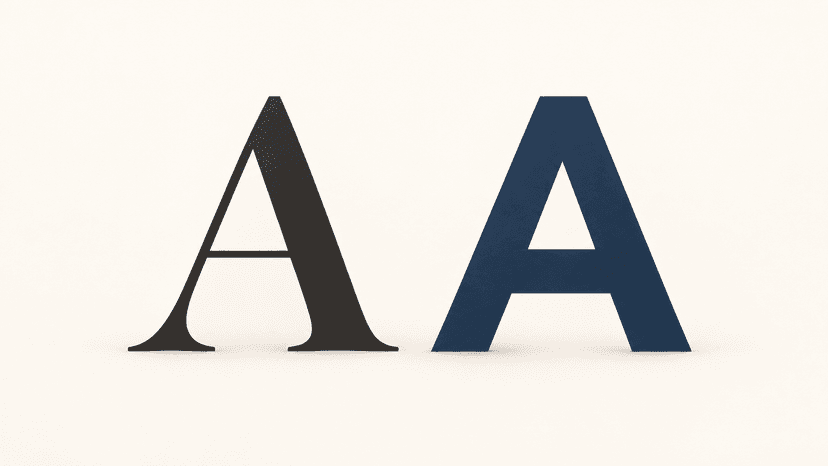
- distinctive and precisely chosen typography,
- an emphasis on proportion and visual balance.
This type of design allows for quick orientation and promotes easy reading even in environments where content is consumed very dynamically. The purity of form here helps the message to be understood without unnecessary visual obstacles.
Neo-minimalism in logos as a reduction strategy
Neo-minimalism in logos means working with a minimum of shapes, colors, and effects. A logo can be based on a clean typographic solution or a simple symbol that remains legible even at a very small scale.
A minimalist logo usually offers the following advantages:
- easy scalability across media,
- legibility on digital devices,
- timeless visual character,
- better memorability thanks to its simple form.
At the same time, however, a high degree of precision is required. The spacing between letters, the thickness of lines, and the use of negative space determine whether the result will appear balanced. The fewer elements a logo contains, the more important their precise arrangement becomes.
The influence of neo-minimalism on brand perception
From a brand psychology perspective, a reduced visual identity can appear confident and professional. Moderation signals control and a clearly defined direction.
A simple logo also makes it easier to build consistency. If the identity is based on a few clearly defined elements, they can be used over the long term without the need for frequent changes. Consistent presentation promotes trust and recognition.
However, the question arises as to whether a minimalist logo can appear too generic. The risk of interchangeability arises when reduction is not supported by a clear brand strategy. Neo-minimalism works when it is based on the values and character of the organization, not just on current trends.
Consistent work with identity
A minimalist logo requires consistent management. If different versions, different color shades, or unauthorized modifications appear in communications, the purity of the visual solution will quickly be compromised.
Practice shows that centralized storage of all approved materials is very important. If teams have a single place where they can find the current logo, precisely defined color values, and clear rules for use, it is much easier to maintain a stable identity.
Brandcloud allows you to organize visual materials so that they are always available in the correct form. This allows both internal and external collaborators to work with identical materials and maintain the purity of the minimalist solution in all outputs. With a reduced identity, where every detail matters, such systematicity is of fundamental importance.
Simplicity as a long-term brand value
Neo-minimalism in logos and its impact on brand perception is linked to a broader transformation in visual communication. Today's audience values clarity, balance, and authenticity.
Simplicity can be powerful precisely because it works with limited resources and gives them clear meaning. When backed by a well-thought-out strategy and consistent identity management, it supports brand stability and long-term recognition.
The question is not how many elements a logo contains, but whether it can convey the character of the brand convincingly and consistently with a minimum of resources. This is where the real benefit of neo-minimalism lies.