Contemporary brands evolve differently than they did ten or fifteen years ago. In the past, radical rebranding was common. Companies would change their logo, color palette and communication style within a short period of time. Today many organizations take a more cautious approach and adjust their identity gradually instead of introducing large and sudden changes. This may involve a subtle shift in typography, a gentle refinement of colors or the modernization of a logo. These adjustments may appear minor, yet they can influence the way people perceive a brand.
This approach is also becoming more common because brands now operate in a digital environment where visual identity appears across many places at once. A logo is present on websites, in applications, in marketing materials and on social media. Any change therefore affects a wide range of communication channels. Gradual adjustments make it possible to preserve continuity while responding to shifts in the market, design trends and user expectations.
Why brands evolve gradually
For a long time, a change in brand identity was associated with large scale rebranding. This typically meant a complete transformation of the visual style and often the communication strategy as well. Such a move can be effective when a company significantly changes its direction or when it wants to distance itself from the past.
In many situations, however, such a radical intervention is unnecessary. A brand may already be well known to the public and its identity strongly connected to a particular image in the minds of customers. A sudden transformation in this case could create confusion or weaken recognition. For that reason, an approach based on smaller adjustments is becoming increasingly common.
Within the design community this approach is sometimes described as the tweak era. The term refers to a period in which brands focus on small adjustments to their identity rather than dramatic transformations. The word tweak refers to a subtle refinement or a small modification of a detail. In practice this means that a company preserves the core appearance of its brand while gradually adjusting individual elements so they function better in a contemporary digital environment. This process may take several years, with each modification building upon the previous one.
From a design perspective, such adjustments can include for example
- simplifying a logo so it works better on digital screens
- modernizing typography or refining the lettering within the logo
- subtle color adjustments that shift the character of the brand
- unifying the visual style across marketing materials

Source: Walmart
How Small Adjustments Change Brand Perception
Visual identity functions as a set of cues through which people recognize a brand. These elements include the logo, typography, colors, as well as the style of photography and illustrations. Even a small change within these elements can influence the overall impression.
For example, simplifying a logo can make it appear more modern and clearer on mobile devices. A typographic adjustment can give a brand a more professional character. A subtle shift in color may move the perception of a brand toward a more technological or premium feel.
People often respond to visual changes intuitively. They may not be able to clearly identify what has changed, yet they sense a shift in the character of the brand. For this reason, small adjustments can significantly alter the overall impression without requiring a complete redesign of the identity.
From a design perspective, this is often a matter of working with details. These changes can be very subtle, such as adjusting the proportions of lettering in a logo or unifying the graphic style across marketing materials. Taken together, these refinements create a new visual rhythm that audiences gradually begin to accept.

When a Larger Change of Brand Identity Makes Sense
Gradual adjustments are not suitable in every situation. There are cases when a brand requires a more substantial transformation. This often occurs during company mergers, major strategic shifts, or when the existing identity feels outdated and no longer reflects the character of the organization.
In such situations, creating an entirely new visual system may be the better option. This can include a new logo, updated typography and a different approach to colors and graphic elements. What matters most is that the change aligns with the overall strategy of the brand and the way it communicates with its audience.
Interestingly, even significant identity transformations often maintain a certain level of continuity. This may appear through a color, a symbol or a typographic principle that recalls the previous identity. Such elements help the public connect the past and the present of the brand more easily.
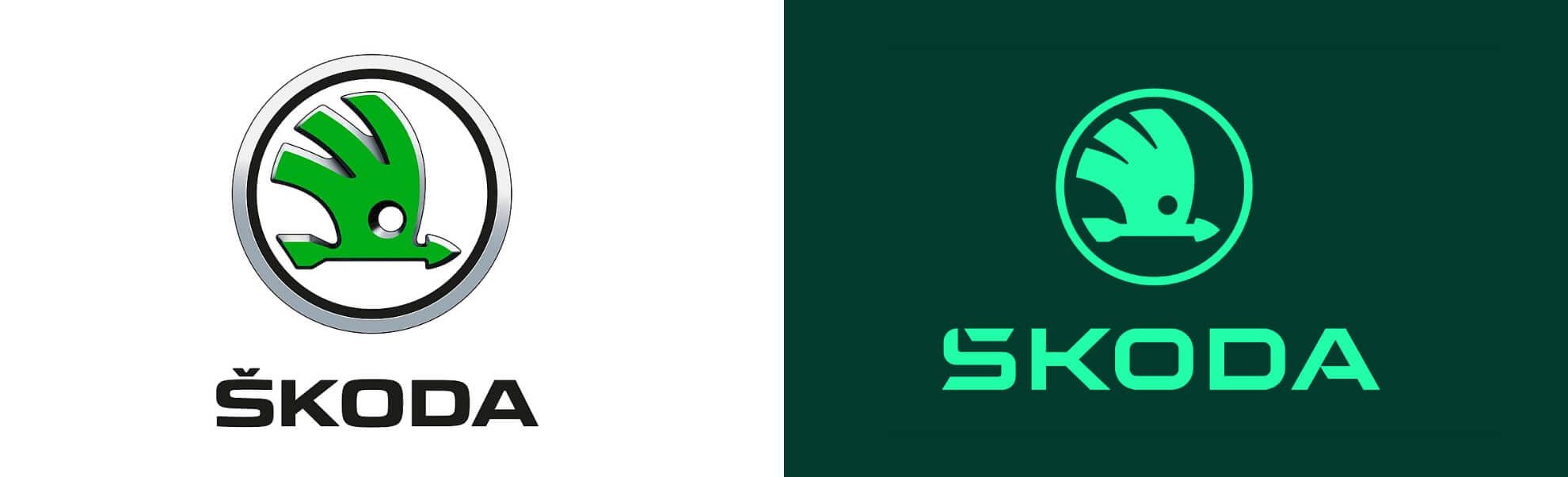
Source: Škoda
How to Manage Identity Changes in a Digital Environment
Modern brands operate in a highly complex digital environment. Visual assets are used on websites, in marketing campaigns, in presentations and in internal communication. When an identity change occurs, it becomes necessary to ensure that all materials are updated and accessible in one place.
This is where digital asset management tools become essential. Digital assets include all graphic files, photographs, logos and marketing materials that a company uses when communicating its brand. If these files are scattered across different storage systems, implementing an identity change can become very complicated.
BrandCloud makes it possible to organize visual brand materials within a clear and structured environment where teams have access to the most current versions of files. When designers adjust a logo or update the visual style, the new assets can immediately become available to marketing teams, sales departments and external partners. This allows gradual identity updates to be introduced in a systematic and coordinated way.
Brand Identity as an Evolving Process
Today, the transformation of visual identity often resembles a long term process rather than a single event. A brand develops alongside the company, its strategy and the environment in which it operates. Small adjustments can gradually change the character of a brand while maintaining the continuity that people associate with it.
For companies this means that work with brand identity does not end once a logo or visual guideline has been created. Identity requires ongoing attention and careful refinement. These adjustments can respond to technological development, new communication channels and shifts in design trends.