
Fonts are a subtle yet essential component of digital communication. Every website, app, or document relies on typography—not only in how it looks, but in how it functions technically. From loading and rendering to readability across devices, fonts play a critical role in creating a consistent and professional brand presence. Understanding how fonts work, where they are used, and how to manage them properly is now a fundamental skill in modern digital communication.
What a Font Is and How It Works
A font is far more than just “the type you see on a screen.” Technically speaking, it is a digital file that contains precisely defined rules for every character—its shape, size, spacing, weights, styles, and behavior at different scales. When you open a website or a document, the system loads this file and uses it to render each character accordingly.
Modern fonts often include dozens or even hundreds of characters, covering diacritics, special symbols, and multiple language variants. They also support a wide range of weights and styles, allowing a single typeface to work equally well for long-form text and bold headlines. These technical properties directly affect readability, performance, and visual consistency across both digital and print outputs.

Where and How Fonts Are Used
Fonts surround us everywhere—on websites, in apps, on social media, and in printed materials such as brochures, catalogs, and presentations. The shape and structure of letterforms influence not only how easily text can be read, but also how professional and credible the overall communication feels.
In digital environments, fonts play both an aesthetic and a technical role. They affect page load speed, device compatibility, and readability on screens of all sizes. In print, precision of letterforms and proper use of weights and styles are key to ensuring that the final output supports the brand’s visual identity.
Fonts are also used for specific purposes:
- UI/UX design: guiding users through interfaces and helping structure content
- Branding: every typeface carries a personality—it can feel formal, modern, playful, or elegant
- Technical documentation and code: monospaced fonts ensure precise alignment and improved legibility
A well-chosen font is therefore not just a visual embellishment, but a functional tool that shapes how content is perceived and how a brand is experienced.
Font Formats
Fonts come in different formats, each defining where and how they can be used. Choosing the right format impacts compatibility, website performance, and print quality.
The most common formats include:
OTF (OpenType Font)
A versatile format with advanced typographic features, suitable for both print and digital use
TTF (TrueType Font)
An older but still widely supported format compatible with most operating systems
WOFF / WOFF2
Web-optimized formats designed for fast loading and modern browsers
SVG Fonts
A specialized format typically used for icons or decorative typography
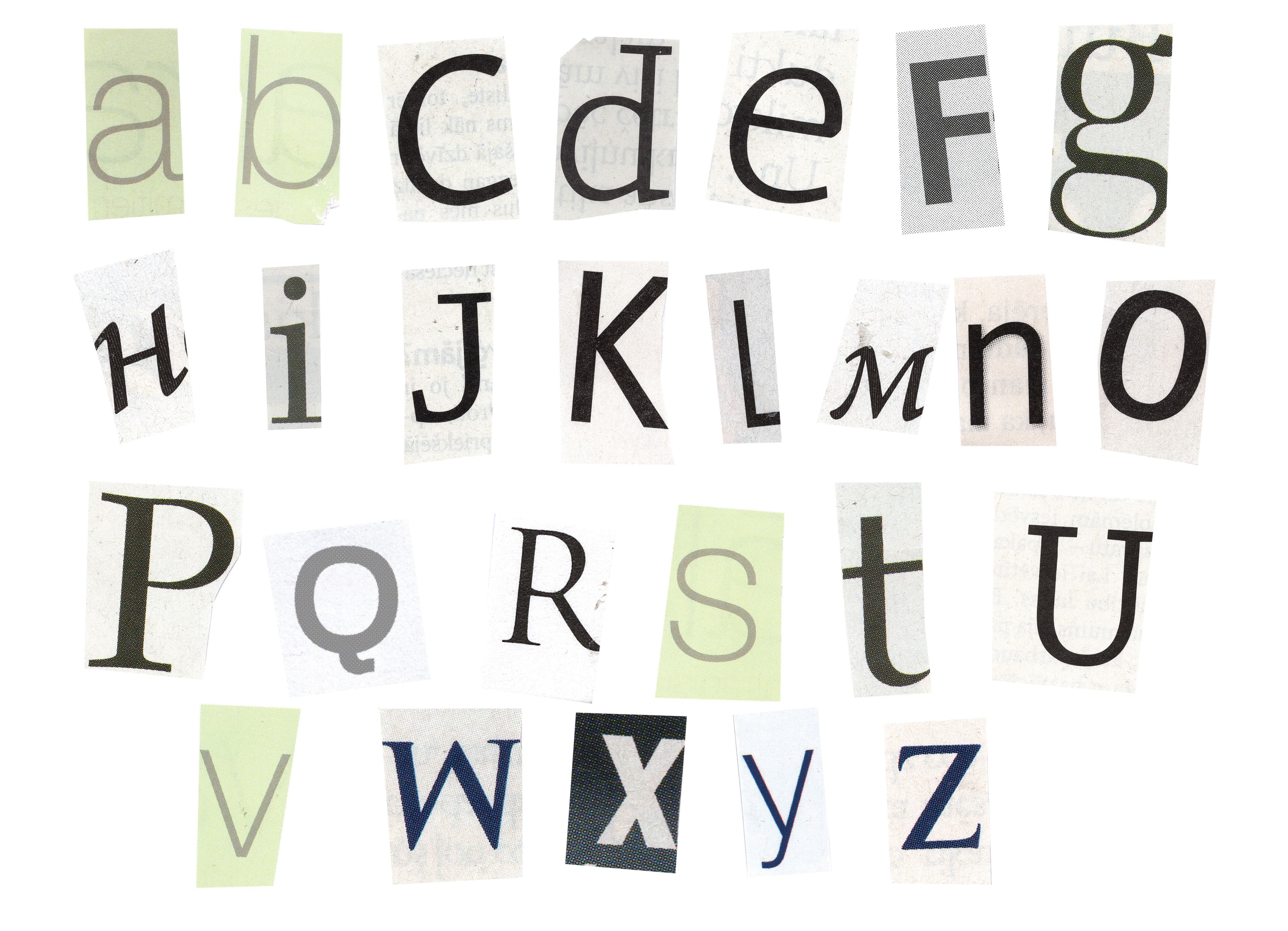
Centralized management of font formats ensures that the correct files are used in the appropriate context—whether for web, print, or digital presentations.
Web Fonts vs. System Fonts
Not all fonts behave the same way. A key distinction lies in whether a font is installed directly on a user’s system or loaded from the web.
System fonts are included with operating systems. Their main advantage is immediate availability and minimal performance impact. The downside is a limited selection and inconsistencies across platforms, which can compromise visual consistency.
Web fonts are loaded externally or directly from a website’s server. They enable a consistent appearance across devices and platforms, but may slightly affect page load times. Modern formats like WOFF2 significantly reduce this impact.
A thoughtful combination of system and web fonts helps strike the right balance between performance, readability, and design consistency.
Font Licensing
Using fonts is not just a design decision—it is also a legal one. Every font is protected by copyright, and its usage is governed by a license.
The most common license types include:
- Desktop licenses: for print materials and graphic design
- Web licenses: for use on websites
- App or embedding licenses: for mobile applications and software
Proper licensing is essential to ensure legal, risk-free use of fonts across all channels.
Interesting Facts About Fonts
- Tens of thousands of fonts exist, but only a small number are used consistently in practice
- Google Fonts offers over a thousand free fonts for web and app use
- Monospaced fonts are used not only in code, but also in technical documentation
- Fonts have a measurable impact on reading speed and text perception
BrandCloud and Font Management
Managing fonts can be complex—especially when multiple teams and channels are involved. BrandCloud enables centralized storage, organization, and sharing of fonts and their variants, ensuring that everyone works with the correct files in the right context.
Centralization reduces errors, speeds up workflows, and helps brands maintain a consistent visual identity across all outputs.
Fonts are not merely decorative elements. They influence readability, clarity, and the overall perception of a brand. A conscious approach to typography—from font selection and formats to licensing—helps create professional, consistent, and long-term visual communication.