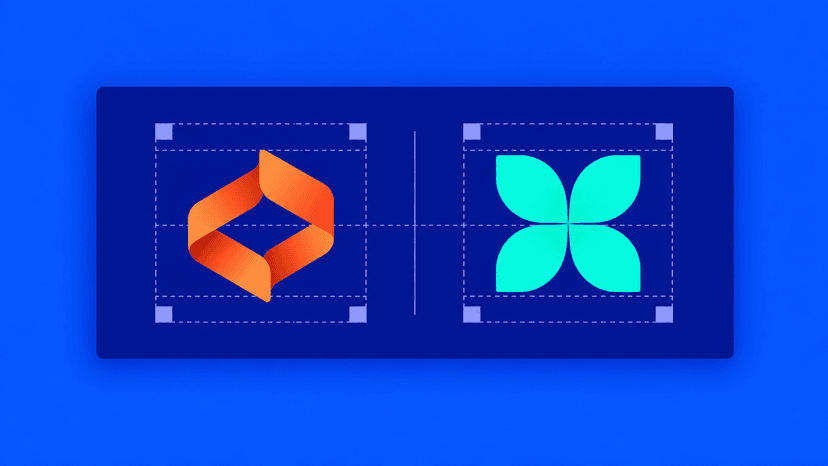
Branding today is undergoing a visible shift. While recent years have been dominated by minimalism, clean logos and visual simplicity, current developments point towards a move in the direction of greater human warmth and a more distinctive identity.
Brands are no longer focused solely on being recognizable. Increasingly, they are concerned with how they come across, how they communicate, and what kind of relationship they build with their audience. In this context, brand personality is coming to the forefront – the way a brand presents itself as a clear and recognizable character.
This shift is also linked to how people perceive brands today. In an environment shaped by digital products, social media and automated communication, visual identity alone is no longer sufficient. What matters is whether a brand feels natural, consistent and human.
The return of mascots as part of a new era of branding
Mascots were a core part of branding for decades. Characters such as the Michelin Man or Ronald McDonald became symbols of their time and communicated brand values in a very direct way.

Source: Michelin
With the rise of minimalist design, however, these elements moved into the background. Brands began to favour simple logos, neutral typography and a universal visual language.
Today, the situation is changing again. Mascots are making a return, but in a new form – simpler, more flexible and adapted to digital environments. This is not nostalgia, but a response to the saturation of visual content.
A well-designed mascot works as a quick visual shorthand. It helps a brand stand out while also enabling it to communicate emotions that a logo alone cannot convey.
Brand personality as the foundation of modern communication
Modern branding is shifting from visual elements towards the overall expression of a brand. Brand personality determines how a brand communicates, how it responds to users, and how it behaves in different situations.
This approach is especially visible in digital products. Brands such as Notion AI use a simple but distinctive character directly within their interface. This visual face helps communicate information in a clearer and more natural way.

Source: Notion
Similarly, tools like Slackbot or GitHub Copilot rely on a more personified style of interaction. In these cases, it is not just about functionality, but about how the tool communicates with the user.

People naturally respond better to personalities than to abstract interfaces. When a brand communicates clearly and consistently, it becomes easier to build a relationship with its audience.
Why branding tools are changing
The development of digital technologies and artificial intelligence has significantly transformed how brands create and manage content. Today’s branding tools enable fast production and distribution, but without clear direction they can lead to fragmented communication.
Brands therefore need a strong foundation that unifies all outputs. In practice, this means connecting technological tools with a clearly defined identity.
This is where solutions like Brandcloud come into play. The system enables brands to centralize digital content, set clear usage rules and ensure that all materials reflect the defined identity of the brand. This makes it possible to maintain consistency even when content is created across multiple teams or markets.
Brandcloud is therefore not just a storage solution, but a tool that helps translate brand personality into everyday communication.
How brand personality is applied in practice
Defining brand personality has direct implications for everyday communication. It is not an abstract concept, but a set of rules that determine how a brand presents itself.
It typically influences the following areas:
- tone of communication – whether the brand feels formal, friendly or technical
- language and writing style – how the brand addresses its audience
- visual elements – whether it uses characters, illustrations or a minimalist design
- responses to situations – how it communicates during issues or user interactions
- digital products – how it behaves within chatbots or applications
These principles ensure that a brand remains consistent, regardless of where users encounter it.
Where branding is heading
The shift in branding tools shows that the focus is moving from individual elements to the overall impression a brand creates. Branding today goes beyond visual identity – it includes communication style, emotional expression and the use of digital tools.
Brands that aim to be trustworthy and easy to understand need to focus on how they present themselves as a whole. Brand personality connects design, content and technology into a unified experience across all touchpoints.
In an environment where automation and AI continue to expand, this approach will become even more important. Tools can speed up processes, but they do not define direction or character.
The future of branding is therefore moving towards brands that are not just visual systems, but clearly defined personalities capable of communicating consistently and naturally over time.