A brand manual is often considered the cornerstone of brand management. It is supposed to ensure consistent visual and content communication and serve as a common reference point for internal teams and external partners. However, in many organizations, this role is still fulfilled by a static PDF document created at a time when brand management was significantly slower and smaller in scope.
The current reality is different. Content is created across channels, brands evolve continuously, and collaboration often takes place remotely. In this environment, it is becoming increasingly apparent that PDF brand manuals no longer reflect how brands actually work and how people work with them in practice.
.png&w=3840&q=75)
A static document in an environment of constant change
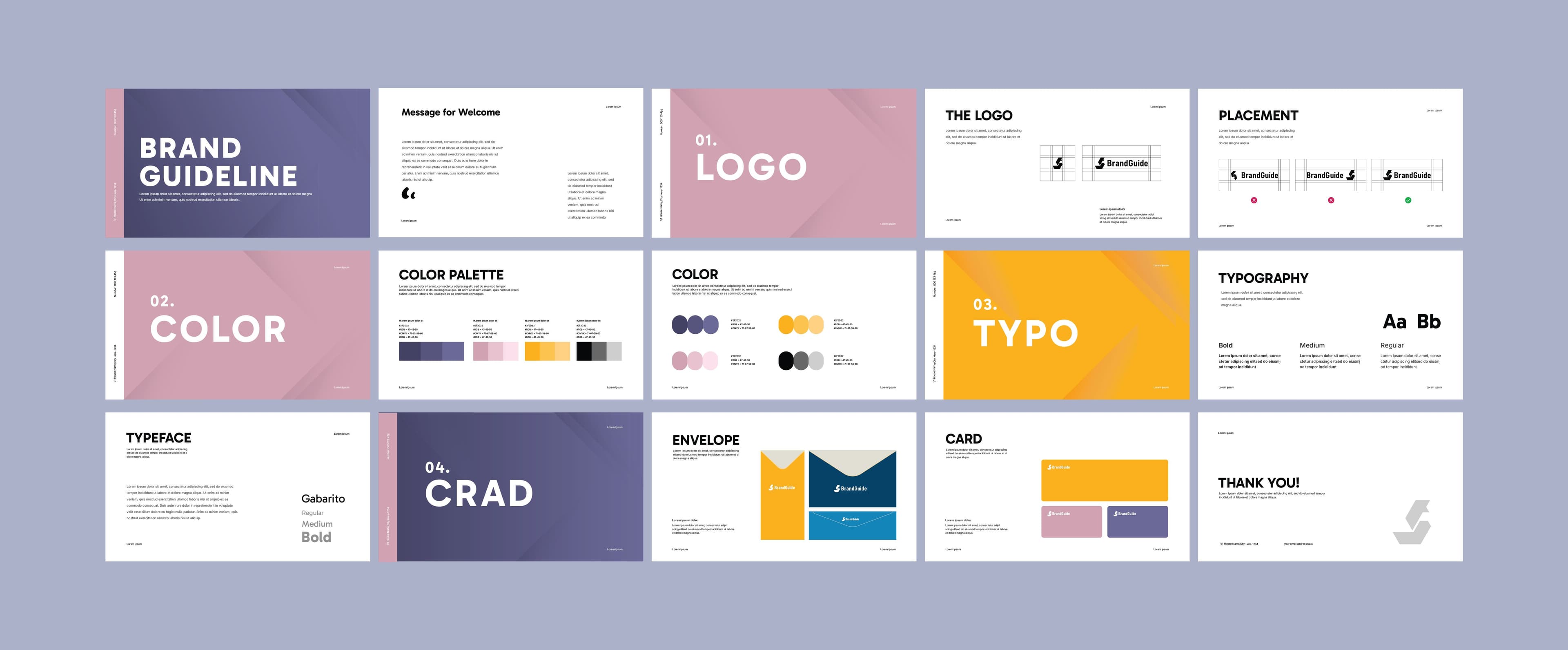
A PDF brand manual is a closed format. Once created, updating it is often a lengthy and organizationally demanding process. Every change to the visual identity, tone of communication, or digital outputs requires the document to be modified and redistributed. In practice, this often leads to a situation where different teams work with different versions of the manual.
This inconsistency is gradually reflected in the brand's communication. Different versions of the logo, inconsistent colors, or different visual styles appear. The brand then appears fragmented and loses its clearly recognizable expression, which is essential for building long-term trust.
A manual that is difficult to use
Another weakness of PDF brand manuals is their practical usability. They often take the form of extensive documents that are formally correct but not very clear for everyday work. Users find it difficult to find specific information in them and often only return to them when necessary.
A brand manual should not function as an archive of rules, but as an active support for working with the brand. If its use is time-consuming or unintuitive, people will start to create their own simplified procedures. This leads to a gradual loosening of the rules and a loss of a unified identity.
Limited control over brand usage
The PDF document provides no overview of how the brand rules are applied in practice. There is no way to monitor whether people are working with the latest materials or what materials are actually being used. From a brand management perspective, this means there is no control and no way to respond to errors in a timely manner.
This situation is particularly problematic for organizations that work with a large number of external suppliers or have multiple branches. Without a centralized digital solution, the brand can easily find itself in a situation where its presentation depends more on individual interpretation than on a clearly defined system.
Online brand manual as a strategic tool
The online brand manual is no longer just for graphic designers. It is becoming a strategic tool for the development of the brand as a whole. It allows you to maintain a consistent identity, increase work efficiency, and promote a professional and credible brand image across all channels.
In this context, BrandCloud offers an environment that meets current requirements for working with a brand. All materials are available in one place, clearly structured, and always up to date. Teams and external partners thus work with the same data, which significantly reduces the risk of errors and inconsistencies.
This approach also includes the ability to manage access, sharing, and updates to materials without the need to repeatedly send files. The brand manual thus moves from a static document to a living system that naturally adapts to the brand's development.

Consequences for long-term brand perception
A brand is not a set of rules stored in a document, but a continuous experience that people create every time they come into contact with a company. If these contacts are visually and contextually inconsistent, trust gradually weakens. This may not be immediately apparent, but in the long term, this situation has a direct impact on brand recognition and reputation.
The transition from PDF brand manuals to online solutions is therefore not a technical change, but a transformation in the approach to brand management. Brands that want to appear consistent and professional need tools that match the pace of the digital environment and support everyday work with brand identity. This is where the real shift from a static manual to live brand management lies.