The logo is one of the first visual elements that people encounter when they come across a brand. It appears on websites, social networks, documents, presentations, and marketing materials, gradually becoming a shorthand that people associate with certain values or experiences. A well-designed logo does not serve a purpose in itself, but fits into a broader identity and works long-term across different channels. That is why it pays to approach its creation systematically and comprehensively, even if it is not a large project or an established brand.
Types of logos and their practical use
When creating a logo, it is advisable to start by choosing its basic form. Different types of logos differ in how they work with text, symbols, and meaning.
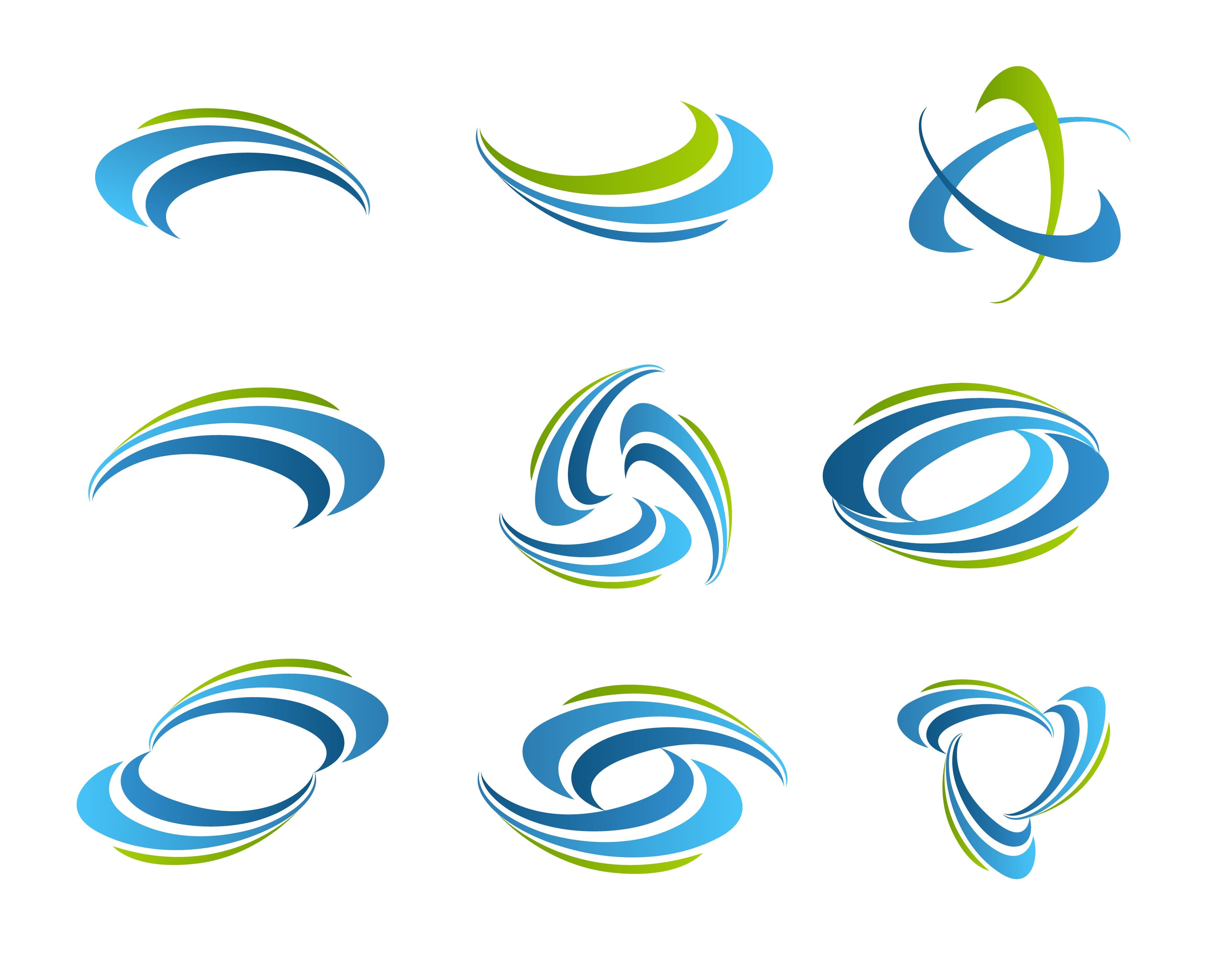
A symbol (image logo) uses a graphic symbol without text. It can be an abstract shape or a stylized motif. This type of logo works well when the brand plans to build awareness over the long term and use the symbol repeatedly in different contexts.
A logotype (text logo) is based on the brand name rendered typographically. The emphasis is on legibility, font character, and overall impression. Logotypes are suitable for new brands or projects that want to have a clearly legible name without additional symbolic layers.
Combined logos combine text and image elements. They offer greater flexibility because they allow the use of the entire logo as well as simplified variants. This type is very common, especially for brands that communicate across online and offline environments.
A monogram uses an abbreviation of the name, usually initials. It is used when the full name is too long or when the brand needs a compact symbol for small formats.
An emblem combines text and a symbol into a single closed shape. It gives a more traditional impression and is often used by institutions, associations, or projects with an emphasis on stability and continuity.
A dynamic logo does not have a single fixed form, but works with variable elements while maintaining its basic structure. This approach is suitable for creative projects or cultural brands where greater visual variability is desirable.
The choice of logo type should correspond to the character of the brand, the manner of communication, and the environment in which the logo will be used most often.
How to create a logo step by step
1. Clarify the brand identity
At the beginning, it is important to define what the brand represents, who it is intended for, and what impression it should leave. This phase determines the direction of all further decisions.
2. Choose the type of logo
The appropriate logo form is selected based on the nature of the brand. Whether the name, symbol, or a combination of both should dominate.
3. Work with shapes and typography
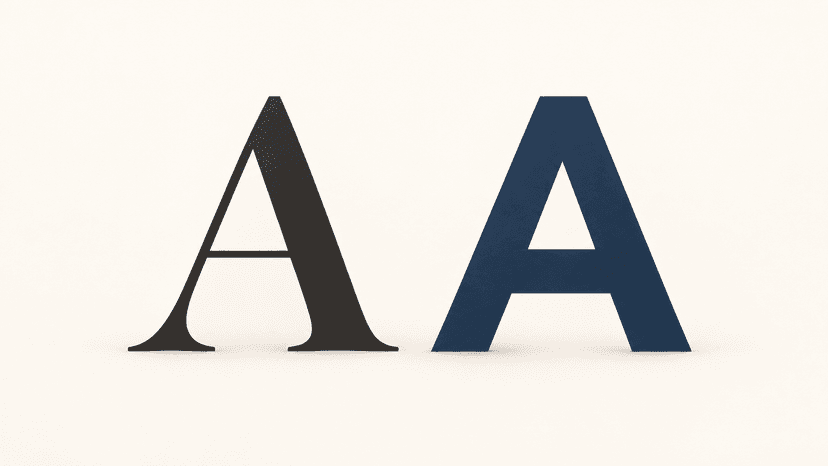
Shapes and fonts carry meaning. Round lines have a different effect than sharp ones, just as serif fonts communicate a different character than sans serif fonts.
4. Choose colors
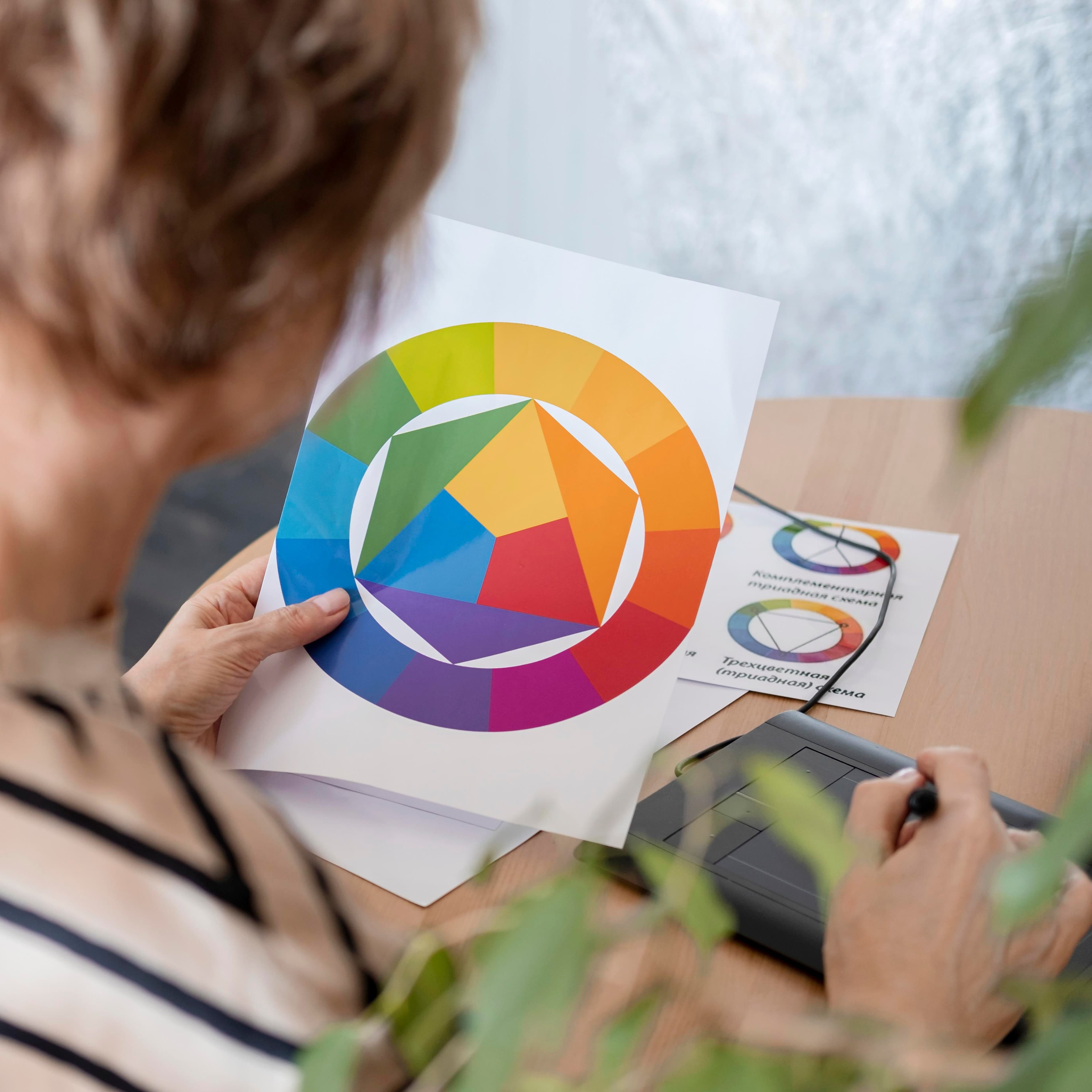
Colors support the overall impression and help create visual consistency. It is also advisable to consider black and white variants and use on different backgrounds.
5. Usability testing
The logo should work on a small and large scale, on screen and in print. At this stage, legibility and comprehensibility are verified.
6. Preparation of versions and rules of use
The final logo should have several versions and clearly defined rules for its use. If these materials are concentrated in one place, such as in the BrandCloud environment, it is easier to maintain consistency and avoid ambiguities in everyday use.
What to watch out for when creating a logo
One common mistake is trying to incorporate too many meanings and details into a logo. A logo should be easily recognizable and legible, not visually complex. Another problem is excessive adherence to current trends, which can quickly become outdated and weaken the logo's long-term usability.
Technical readiness is also important. A logo should exist in various formats, color variations, and resolutions. If the source files are stored randomly, inconsistent use can easily occur, which over time affects the overall impression of the brand.
When a logo needs to work long-term
A well-designed logo is not only recognizable by its appearance, but also by how it works in everyday practice. A clear structure, clear rules, and availability of the correct versions facilitate communication across teams and external collaborators. The logo thus becomes a natural part of the brand and supports its consistent visual style.
Simplicity and clarity are not limitations here, but advantages. It is thanks to them that the logo can function in the long term, adapt to different situations, and remain legible even in an ever-changing environment.